Skip to content
Precast concrete quality control is one of the most important parts of a prefab home project.
For developers, contractors, resort owners, distributors, local builders, and overseas project buyers, quality control is not only about checking the final product.
It starts from the drawings.
It continues through mold preparation, reinforcement, concrete production, curing, component inspection, packing, shipping, and installation support.
If the quality control process is weak, the project may face problems such as wrong component size, poor fitting on site, delayed installation, unclear connection details, extra repair work, or higher total cost.
At SY home, we focus on precast concrete prefab homes with patented dry-connection technology. Our goal is to make prefab home projects stronger, cleaner, faster, and easier to repeat.
Why Precast Concrete Quality Control Matters
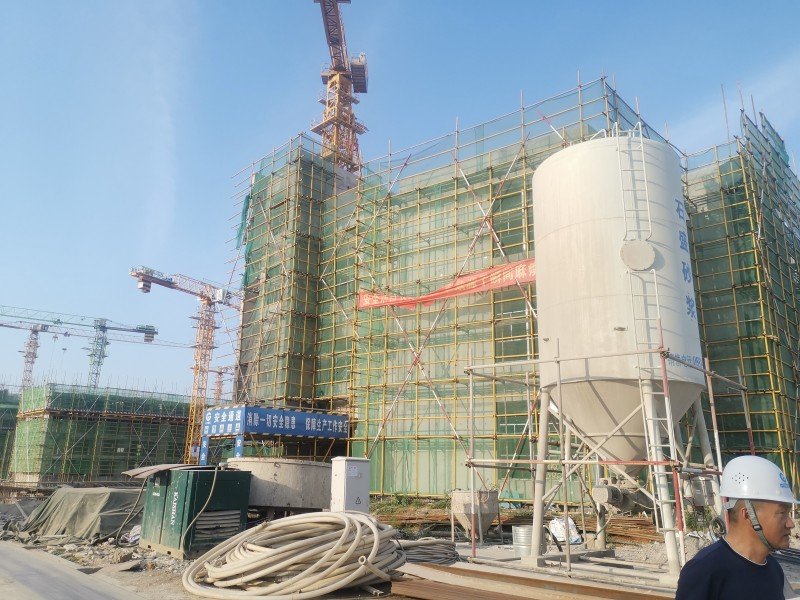
A prefab home is a building system.
It is not a single product.
Each component must work together with the structure, wall panels, roof system, dry interior finish, doors, windows, kitchen, bathroom, and installation sequence.
For this reason, quality control must cover the full process.
A good precast concrete quality control system helps project buyers:
- Reduce installation mistakes
- Control project delays
- Improve structural reliability
- Keep component dimensions consistent
- Reduce site rework
- Improve final building appearance
- Support repeat orders
- Make overseas installation easier
- Protect long-term project value
In our dry-connection building system, more work is moved from the jobsite to the factory. This makes factory quality control even more important.
What Is Precast Concrete Quality Control?
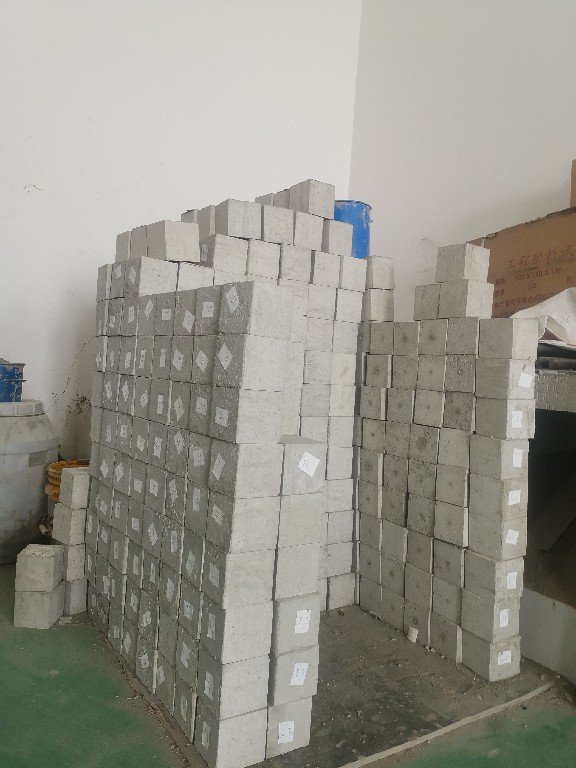
Precast concrete quality control means checking and controlling each step before the component is delivered to the site.
It usually covers:
- Design and drawing review
- Mold inspection
- Reinforcement inspection
- Embedded parts and connector checking
- Concrete material control
- Production process control
- Curing process control
- Dimension inspection
- Surface quality inspection
- Component numbering
- Packing inspection
- Loading inspection
- Installation document support
The purpose is simple:
Every component should match the drawings, fit the building system, and support smooth installation.
Quality Control Starts from the Drawings

Precast concrete quality control does not start in the factory workshop.
It starts with drawings.
Before production, we need to confirm:
- Building size
- Floor plan
- Number of floors
- Structural layout
- Column positions
- Beam positions
- Floor slab layout
- Wall panel layout
- Roof design
- Window and door openings
- Stair and balcony details
- Connection points
- Embedded parts
- Installation sequence
This is especially important for dry-connection prefab homes.
If the connection points are not clear, the site installation may become difficult. If the component dimensions are not correct, the parts may not fit smoothly.
That is why we review the structure and production logic before manufacturing.
Main Quality Control Steps in Precast Concrete Production
| QC Step | What We Check | Why It Matters |
|---|---|---|
| Drawing review | Size, layout, connection points, installation logic | Prevents production and installation mistakes |
| Mold checking | Mold size, position, stability, cleanliness | Helps control component accuracy |
| Reinforcement checking | Steel bar size, spacing, position | Supports structural performance |
| Embedded parts checking | Connectors, lifting points, sleeves, reserved parts | Ensures dry connection and lifting safety |
| Concrete control | Mix, workability, pouring process | Supports component strength and stability |
| Curing control | Curing condition and timing | Helps achieve stable component quality |
| Dimension inspection | Length, width, thickness, hole position | Ensures components fit on site |
| Surface inspection | Cracks, honeycomb, edges, finish quality | Improves appearance and reduces repair work |
| Numbering | Component code and installation sequence | Helps local teams install correctly |
| Packing inspection | Protection, labels, packing list | Reduces shipping damage and site confusion |
Step 1: Drawing Review and Production Planning

Before production starts, we review the project drawings and confirm the component list.
This step helps us identify:
- Which parts should be precast
- Which parts should be produced locally
- Which parts need dry connection details
- Which components need special molds
- Which components need lifting points
- Which parts must match wall panels, roof, stairs, or interior finish
For overseas projects, this step is very important because local builders need clear drawings, clear component numbers, and clear installation logic.
A good drawing review can reduce many problems before they happen.
Step 2: Mold Quality Control
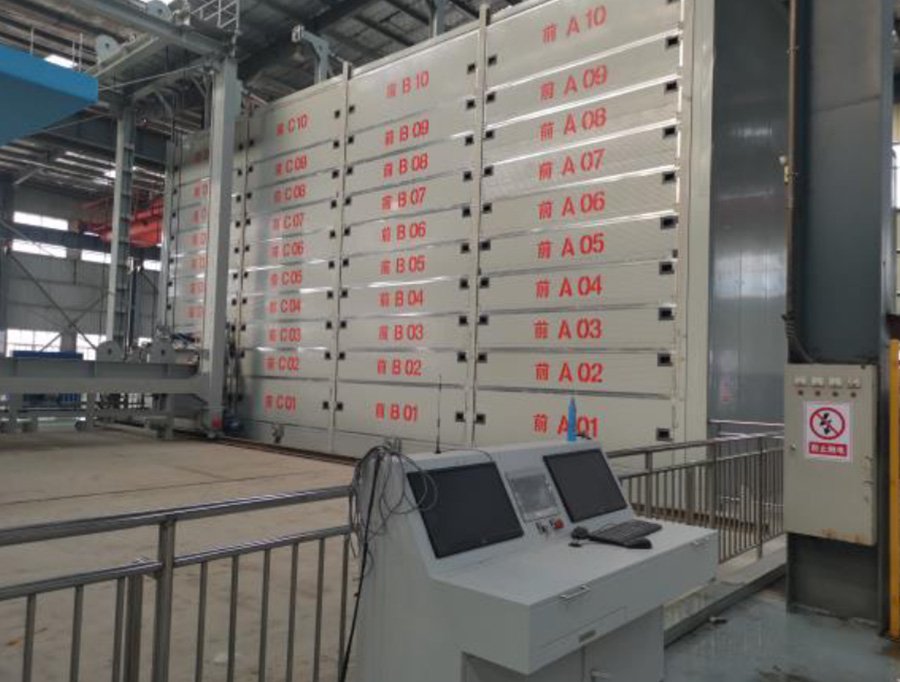
Molds directly affect component size and surface quality.
Before production, we check:
- Mold size
- Mold shape
- Mold position
- Mold stability
- Mold cleanliness
- Edge details
- Reserved openings
- Embedded part positions
If the mold is wrong, the final component will also be wrong.
For repeat projects, mold control is especially valuable. It helps keep the same component size and quality across multiple homes.
This is important for distributors, developers, and local builders who need stable repeat-order products.
Step 3: Reinforcement Inspection
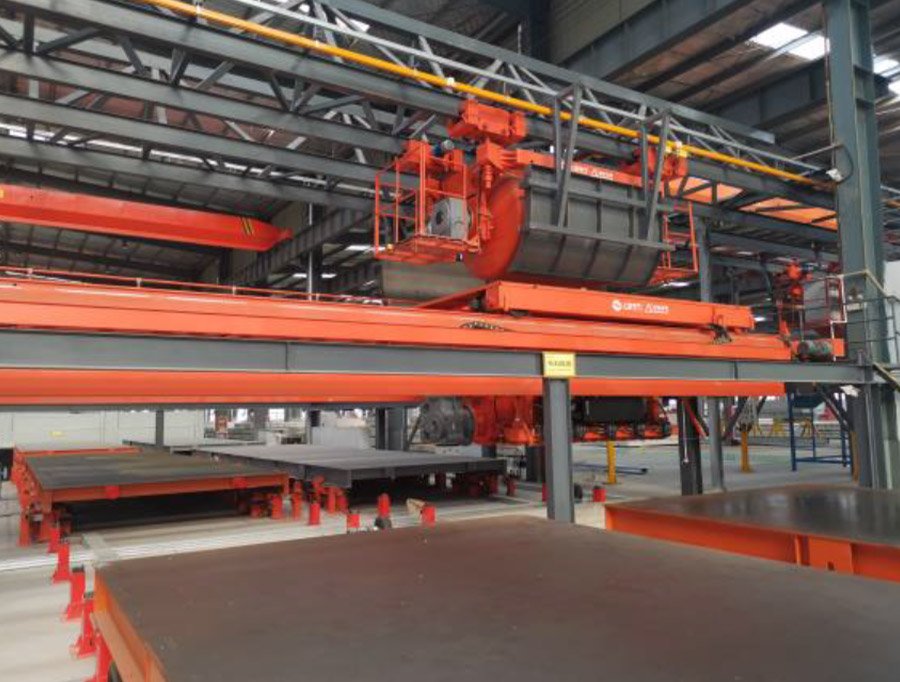
Reinforcement is one of the key parts of precast concrete quality.
Before pouring concrete, the reinforcement should be checked carefully.
The inspection may include:
- Steel bar type
- Steel bar diameter
- Steel bar position
- Spacing
- Binding quality
- Protective layer
- Connection area
- Reserved holes
- Lifting points
- Embedded parts
This step affects structural safety and long-term performance.
For prefab homes, reinforcement must also match the dry-connection system, lifting method, and installation sequence.
Step 4: Embedded Parts and Connector Inspection
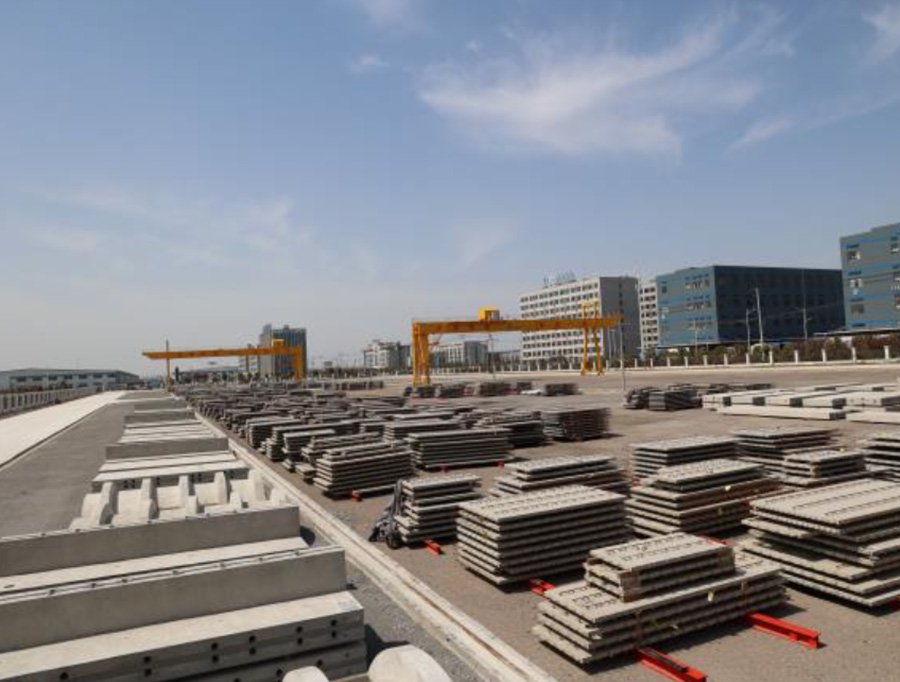
In a dry-connection prefab system, embedded parts and connectors are critical.
They affect how the columns, beams, floor slabs, stairs, and other components are connected on site.
We check:
- Connector type
- Connector position
- Embedded part location
- Reserved holes
- Lifting anchors
- Sleeve positions
- Bolt holes
- Bracket details
- Alignment with installation drawings
This is one of the biggest differences between a simple concrete component and a system-based prefab building component.
Our system is designed to reduce node cast-in-place work and support on-site assembly through dry connection. The dry-connection building method helps reduce heavy wet work and makes project installation more standardized.
Step 5: Concrete Production Control
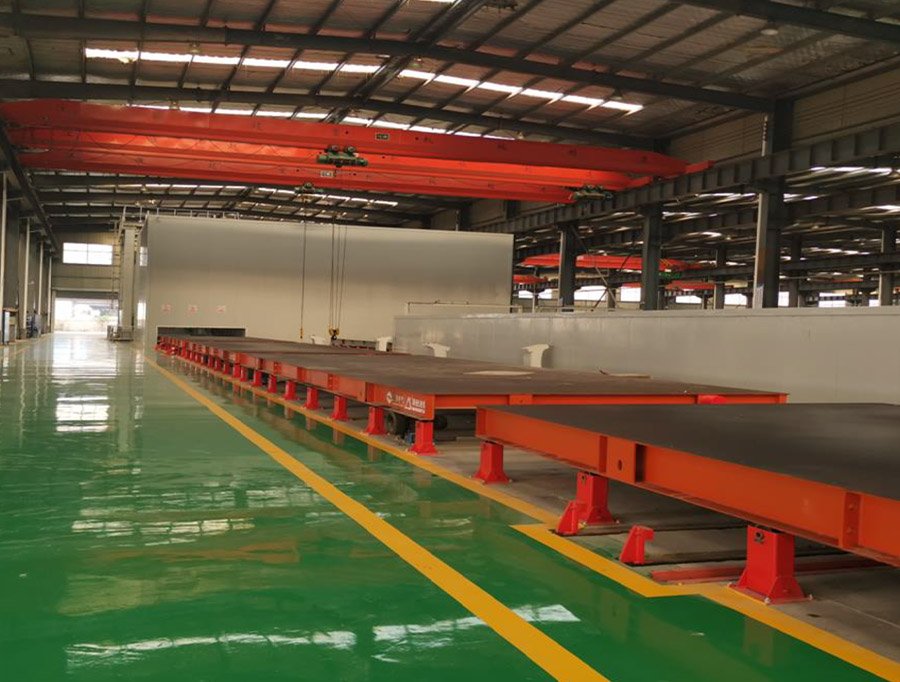
Concrete quality affects the final strength, durability, and appearance of precast components.
During production, the factory should control:
- Raw material quality
- Concrete mix
- Water ratio
- Workability
- Pouring method
- Vibration process
- Surface finishing
- Production timing
Concrete should be placed and compacted properly to reduce defects such as voids, honeycombing, weak edges, or poor surfaces.
For prefab home projects, stable production quality is important because the components must fit together during installation.
Step 6: Curing Quality Control
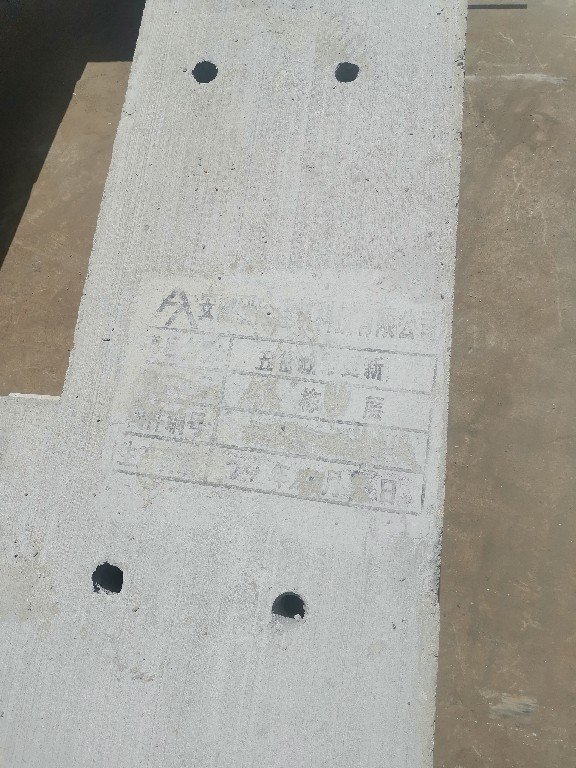
Curing is an important step after concrete is poured.
Good curing helps the component reach the required performance and reduces quality problems.
During curing, the factory should control:
- Curing time
- Temperature condition
- Moisture condition
- Demolding timing
- Component handling time
If curing is rushed, the component may not reach stable performance.
If handling starts too early, edges, corners, or embedded parts may be damaged.
For project buyers, this is one reason why factory production and quality control should be checked before placing bulk orders.
Step 7: Dimension Inspection
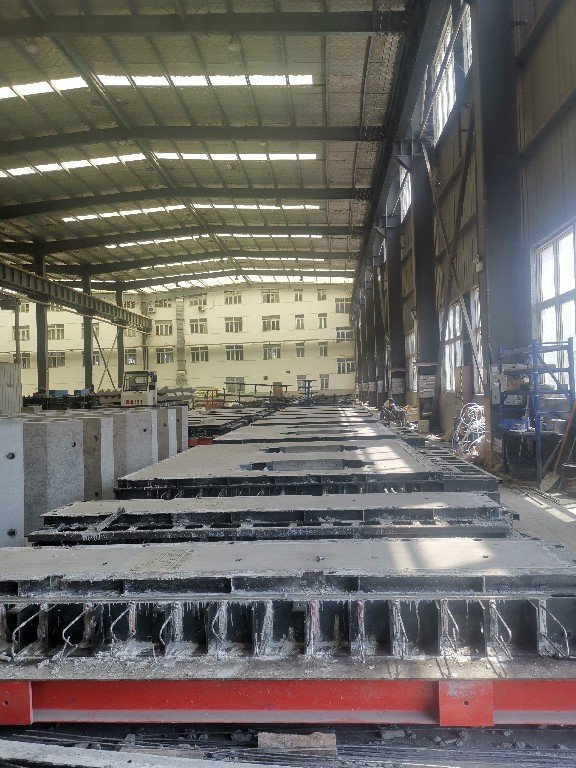
Before a precast concrete component leaves the factory, its dimensions should be checked.
This may include:
- Length
- Width
- Thickness
- Height
- Diagonal size
- Opening position
- Hole position
- Connector position
- Embedded part position
- Surface level
- Edge condition
Dimension accuracy matters because prefab construction depends on assembly.
If one component is not accurate, it may affect the next step on site.
For dry-connection prefab homes, dimension control is even more important because the columns, beams, floor slabs, and connectors must fit together according to the installation drawings.
Step 8: Surface Quality Inspection
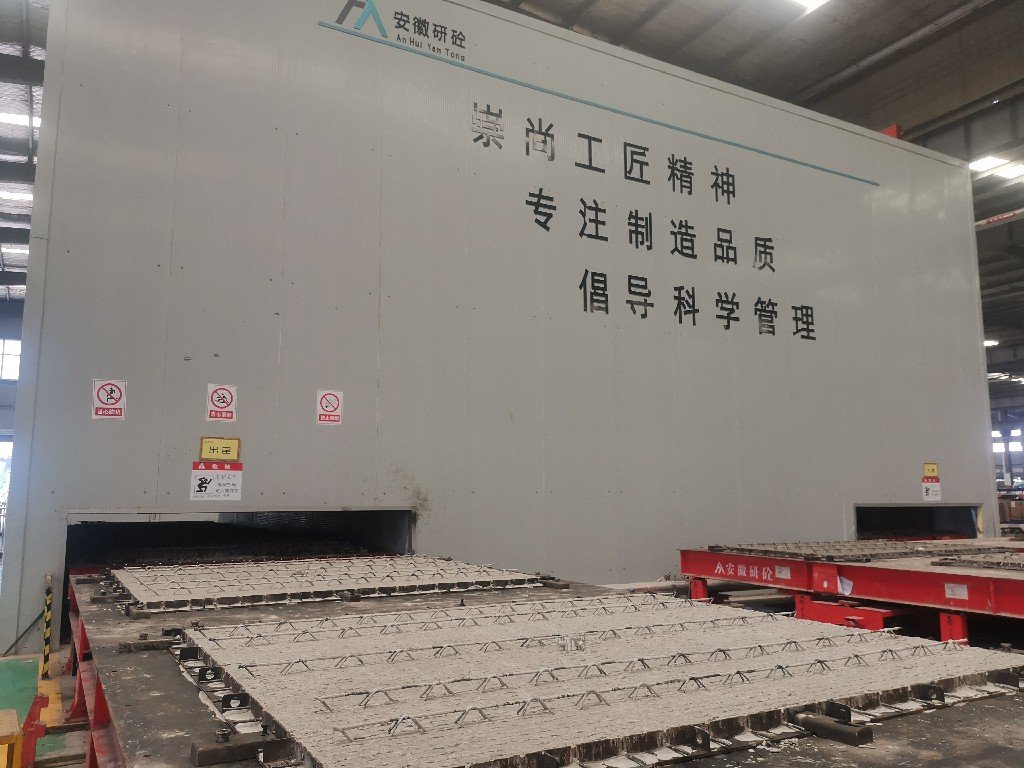
Surface quality affects both appearance and installation.
The inspection may include:
- Cracks
- Missing corners
- Honeycombing
- Surface roughness
- Edge damage
- Exposed reinforcement
- Uneven finish
- Poor joint area
- Stain or contamination
Some small surface repairs may be possible before shipping.
But major defects should be handled before the component leaves the factory.
For villas, resort homes, and visible structure areas, surface quality has a direct impact on customer confidence.
Step 9: Component Numbering and Traceability
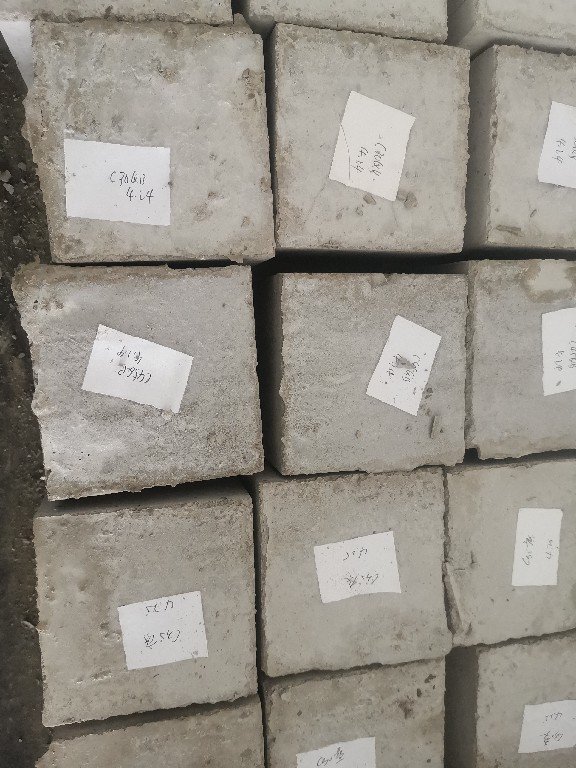
Component numbering is very important for prefab home installation.
Each component should have a clear number that matches the drawings and packing list.
This helps the local team know:
- Which component it is
- Where it should be installed
- Which step it belongs to
- Which parts connect with it
- Which direction it should face
For overseas projects, numbering can save a lot of time.
A local installation team may not be familiar with the system at first. Clear component numbers, drawings, and installation sequence make the work easier to understand.
Step 10: Packing and Loading Inspection
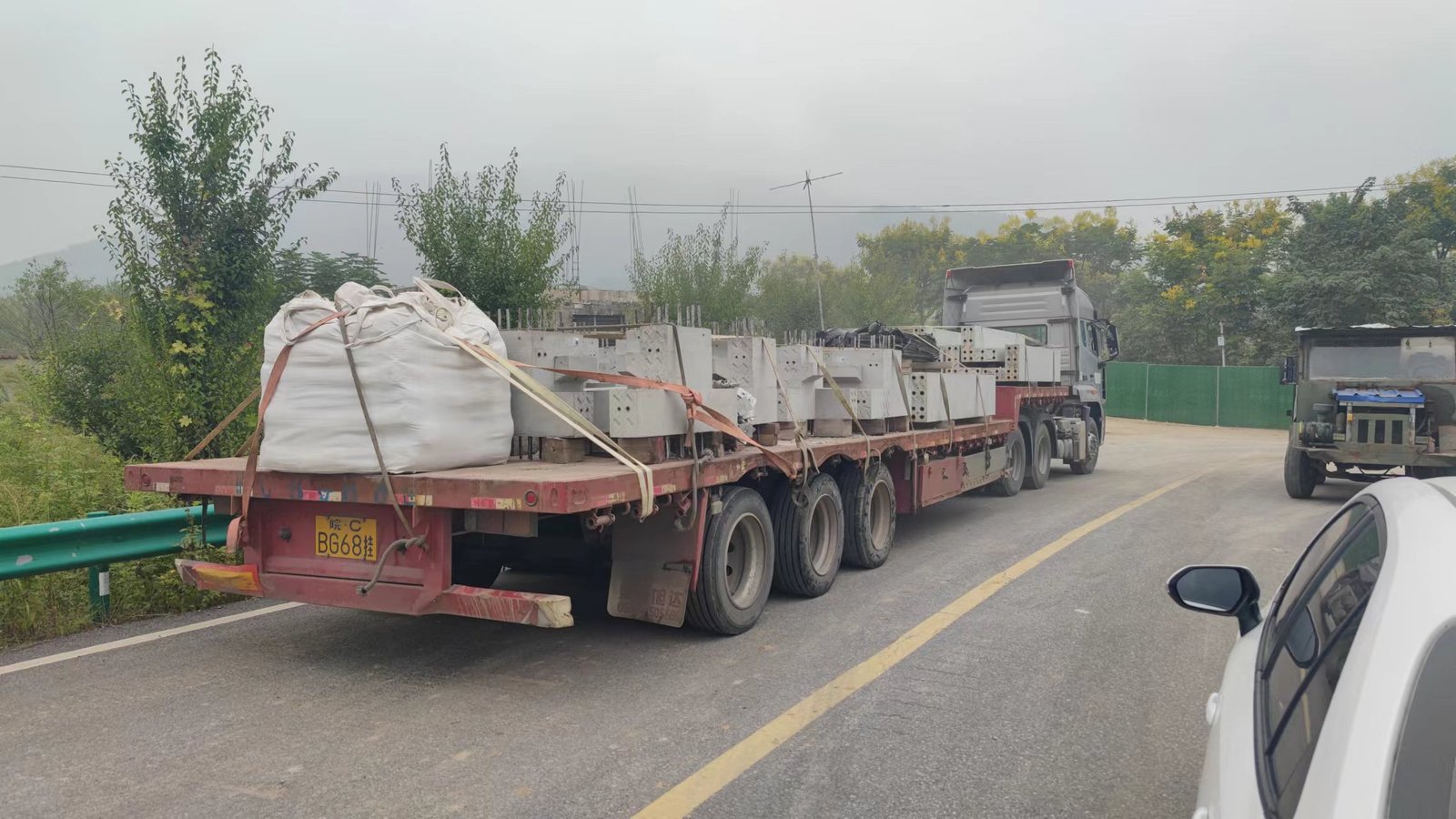
Quality control does not end after production.
Packing and loading are also important.
Before shipping, we check:
- Packing method
- Component protection
- Edge protection
- Label visibility
- Packing list
- Loading sequence
- Container weight
- Container balance
- Fragile part protection
- Accessory packing
For precast concrete components, poor packing can cause damage during transport.
For overseas projects, poor labeling can also create confusion after arrival.
That is why packing and loading should be part of the quality control process, not only a logistics step.
Quality Control for Wall Panels, Roof, and Interior Systems
A prefab home project includes more than concrete components.
Quality control should also cover other building parts.
ALC Wall Panels
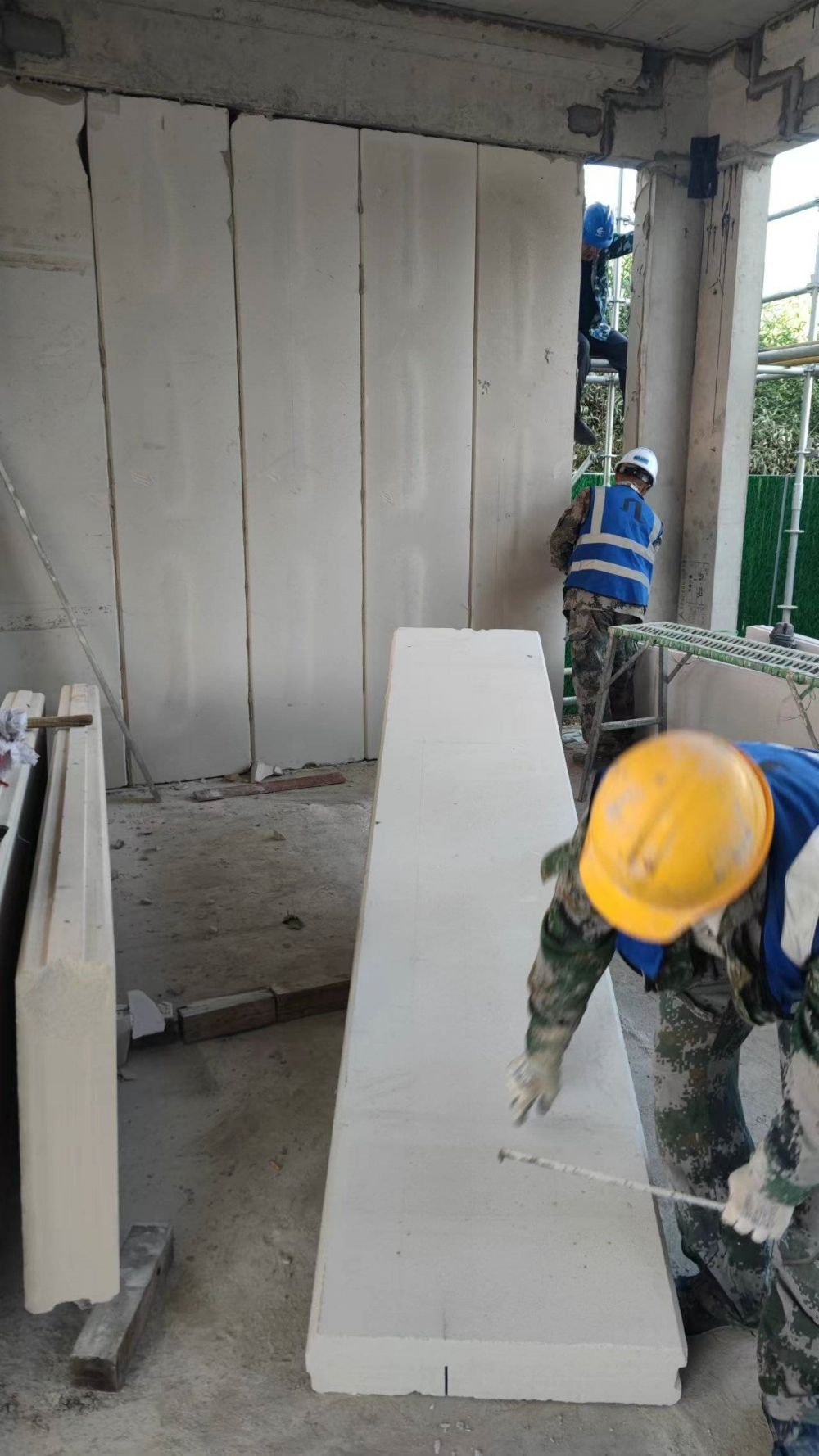
For ALC wall panels, we check:
- Panel size
- Surface condition
- Edge condition
- Panel thickness
- Opening positions
- Joint details
- Packing protection
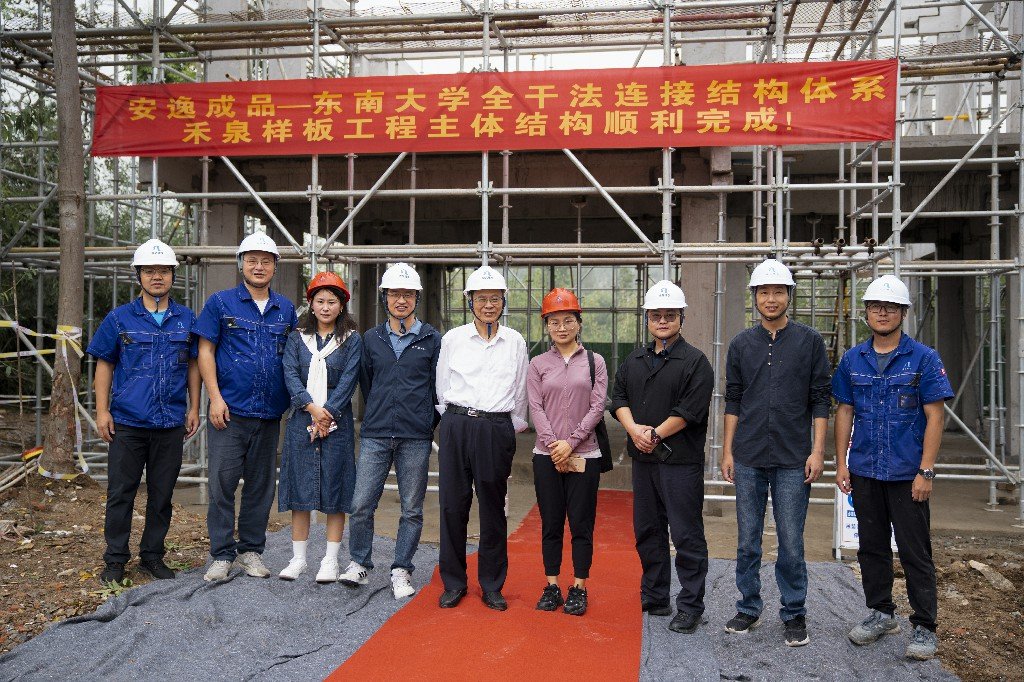
In our San Zhi Xiao Lu project, we used ALC wall panels for the wall system and insulated decorative panels for the exterior facade.
Roof System
For the roof system, we check:
- Roof frame materials
- Roof panel quality
- Waterproofing details
- Connection parts
- Installation sequence
- Packing protection
In our prefab villa project, we used an assembled light steel roof system.
Dry Interior Finishing

For dry interior finishing, we check:
- Floor system materials
- Wall panel materials
- Ceiling materials
- Bathroom wall system
- Kitchen and bathroom details
- Installation drawings
Our project can use dry floor systems, integrated kitchen, and integrated bathroom solutions to reduce wet work on site.
Factory Capability Supports Stable Quality
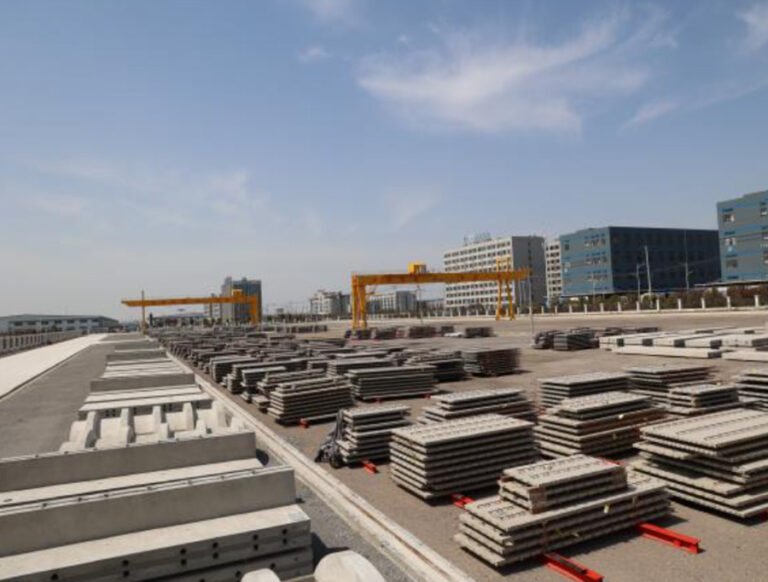
Stable quality control needs real factory capability.
A reliable prefab home manufacturer should not only have sales experience. It should also have production, inspection, storage, and delivery ability.
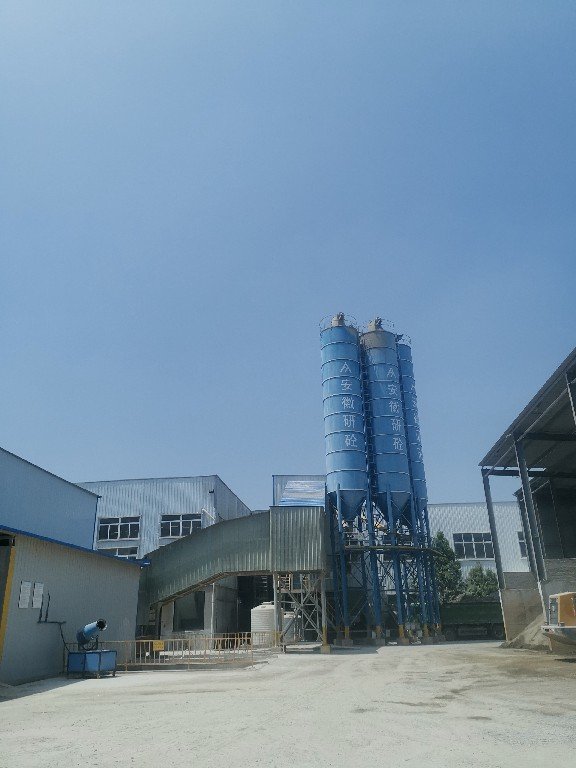
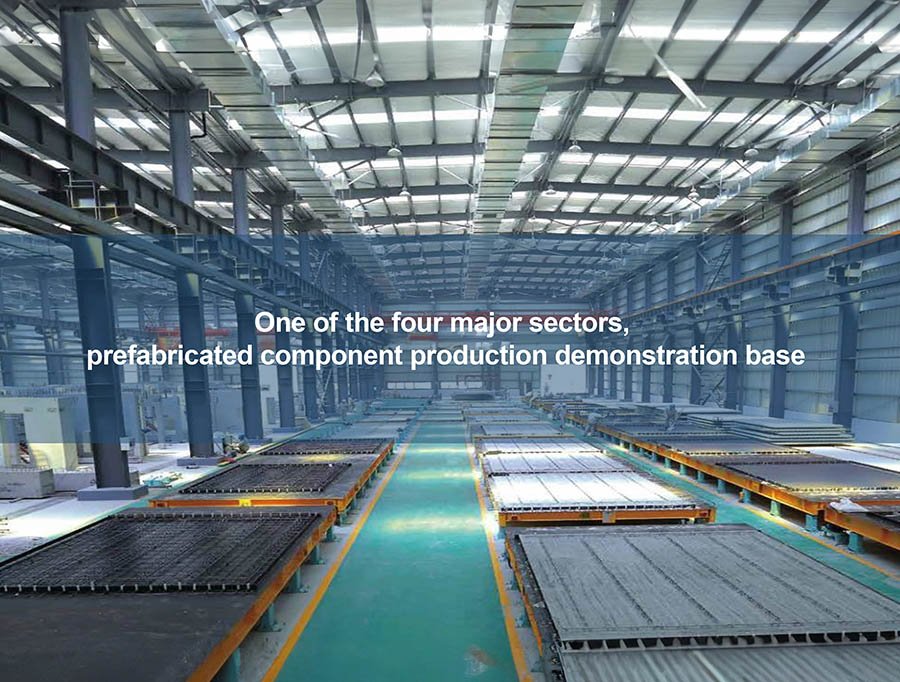
Our related production resources include PC production lines, steel reinforcement processing, wall panel production, curing areas, laboratory facilities, and component storage yards. Factory layout and production capability are important for stable bulk supply and project delivery.
For distributors and developers, this matters because one successful sample is not enough.
You need repeatable quality for multiple homes, multiple batches, and future projects.
Quality Control and Dry-Connection Installation
Dry connection makes factory quality control more important.
Why?
Because the site installation depends on the accuracy of factory-made components.
If the connector position is wrong, the site team may not install smoothly.
If the component size is wrong, the assembly sequence may be affected.
If the numbering is unclear, workers may waste time looking for the right parts.
That is why we control quality from drawings to production and packing.
In our building system, precast columns, beams, slabs, ALC wall panels, dry interior finish, and roof systems are planned together. This helps reduce site uncertainty and improve installation efficiency.
Precast Concrete Quality Control Checklist for Buyers
Before choosing a precast concrete prefab home supplier, ask these questions:
- Do you review drawings before production?
- How do you control mold accuracy?
- How do you check reinforcement?
- How do you check embedded parts and connectors?
- How do you inspect component dimensions?
- How do you check surface quality?
- Are components numbered before shipping?
- Do you provide a packing list?
- Do you provide loading photos?
- Can you provide installation drawings?
- Can you support remote installation guidance?
- Do you have real project cases?
- Do you have factory production lines?
- Do you have inspection and storage areas?
- Can you support repeat orders with stable quality?
These questions help you understand whether the supplier has a real quality control system or only a low price.
Common Precast Concrete Quality Problems to Avoid
When buying precast concrete prefab homes, watch out for these problems:
- Unclear drawings
- Unchecked mold size
- Poor reinforcement placement
- Wrong embedded part positions
- Weak connector preparation
- Poor concrete compaction
- Incomplete curing
- Damaged edges
- Surface cracks
- Wrong component numbers
- Missing accessories
- Poor packing
- No installation drawings
- No technical support after shipping
Most quality problems can be reduced if the supplier controls the full process early.
What Are the Benefits of Using Precast Concrete Products?
Precast concrete products are useful in prefab homes because they support:
- Factory-controlled production
- Better component consistency
- Faster on-site assembly
- Less site wet work
- Cleaner construction
- More predictable project schedule
- Better repeatability
- Stronger building structure
- Easier quality inspection before shipping
For villas, resort homes, rural housing, ADU projects, and workforce housing, precast concrete components help create a more solid and long-term building solution.
Are Precast Concrete Products Best for Construction?

Precast concrete products are not the best choice for every project.
They are suitable when the buyer needs:
- Stronger structure
- Faster site assembly
- Repeatable project delivery
- Factory-made component quality
- Reduced wet work
- Better project control
- Long-term building value
For very temporary projects, very lightweight buildings, or extremely low-budget housing, other systems may be more suitable.
But for developers, resort owners, contractors, distributors, local builders, and overseas project buyers who want a more solid prefab home system, precast concrete can be a strong option.
What Are the Disadvantages of Precast Concrete?
Precast concrete also has points buyers should plan carefully.
Common concerns include:
- Heavier component weight
- Need for lifting equipment
- Higher transport planning requirements
- More detailed drawing coordination
- Need for accurate production
- Need for clear installation guidance
- Foundation planning before delivery
These are not reasons to avoid precast concrete.
They are reasons to choose a supplier with strong project support.
When drawings, production, packing, shipping, and installation are well managed, precast concrete can help reduce many risks in the total project.
Why Choose SY home for Precast Concrete Quality Control?
SY home provides precast concrete prefab home solutions for developers, contractors, resort owners, distributors, local builders, and overseas project buyers.
We focus on:
- Precast concrete frame structure
- Patented dry-connection technology
- Drawing review before production
- Factory-made component production
- Reinforcement and connector checking
- Component dimension inspection
- Surface quality inspection
- ALC wall panel system
- Light steel roof options
- Dry interior finishing
- Component numbering
- Packing and shipping planning
- Installation guidance
Our goal is to help project buyers reduce risk from the first drawing to the final installation.
Conclusion
Precast concrete quality control is not only about checking the finished component.
It is a full process.
It starts with drawings and continues through molds, reinforcement, connectors, concrete production, curing, inspection, numbering, packing, shipping, and installation support.
For developers, contractors, resort owners, distributors, local builders, and overseas project buyers, a strong quality control system helps reduce project risk, improve installation efficiency, and protect long-term building value.
SY home uses factory-made precast concrete components, patented dry-connection technology, and project-ready support to help buyers build stronger and more reliable prefab homes.
SY home - Precast Concrete Manufacturer in China
Ask SY home About Precast Concrete Quality Control
Send us your project drawings, building size, quantity, project location, and target use. Our team will help you prepare a suitable prefab home solution with clear structure, quality control, packing, and installation support.