Skip to content
Many developers, contractors, resort owners, distributors, local builders, and overseas project buyers ask the same question:
Which one is cheaper, precast or RCC construction?
The simple answer is:
RCC construction may look cheaper at the beginning, but precast construction can be more cost-effective when you compare the full project cost.
It depends on the project size, labor cost, construction speed, site condition, quality control, transportation, equipment, and long-term use.
At SY home, we focus on precast concrete prefab homes with patented dry-connection technology. For project buyers, we do not suggest comparing only the material price or square-meter price.
The better question is:
Which system can help you finish the project faster, with less risk, more stable quality, and better long-term value?
What Is RCC Construction?
RCC means Reinforced Cement Concrete.
In simple words, RCC construction is traditional reinforced concrete construction.
Workers build formwork on site, place steel reinforcement, pour concrete, wait for curing, remove formwork, and continue the next construction step.
RCC is widely used because it is familiar to local builders and can be done with local materials and labor.
It is suitable for many traditional construction projects.
But it also depends heavily on site management, worker skill, weather, curing time, and quality control.
What Is Precast Construction?
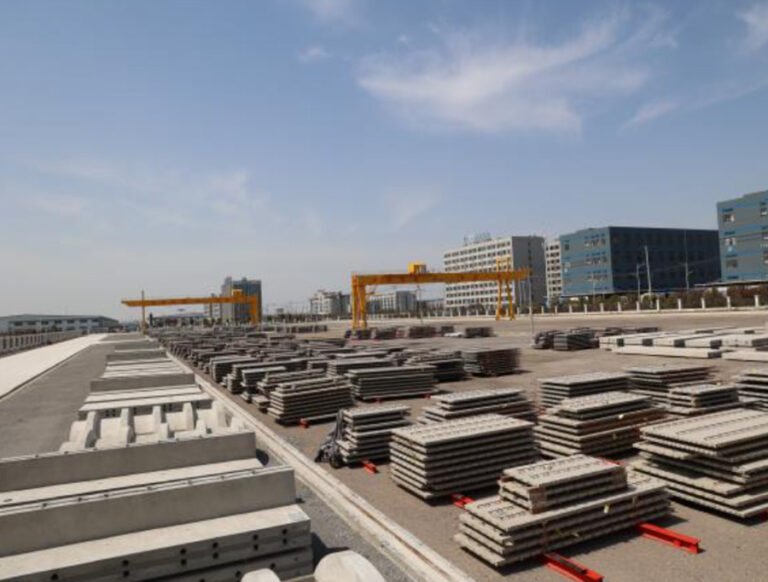
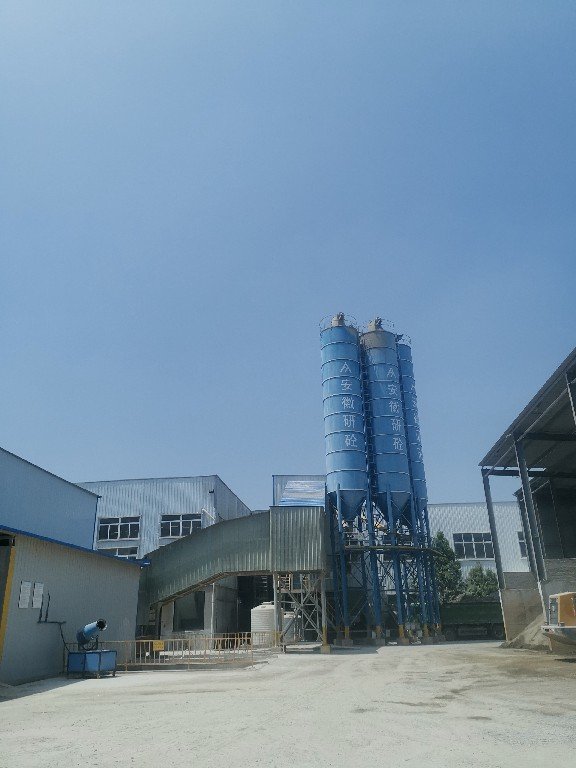
Precast construction means concrete components are made in a factory before they arrive at the site.
These components can include:
- Precast columns
- Precast beams
- Precast floor slabs
- Precast balcony panels
- Wall panels
- Stair components
- Connection parts
After production, the components are transported to the site and assembled.
At SY home, we use a dry-connection precast concrete system. The goal is to move more work into the factory and reduce heavy wet work on site.
Our system is built around dry connection, mixed structure, standard component production, finished product delivery, and controllable cost.
Quick Answer: Which One Is Cheaper?
| Cost View | RCC Construction | Precast Construction |
|---|---|---|
| Initial material cost | Often lower | Often higher |
| Factory cost | Not needed | Needed |
| Site labor cost | Higher | Lower |
| Formwork cost | Higher | Lower on site |
| Construction speed | Slower | Faster |
| Quality control | More site-dependent | More factory-controlled |
| Weather risk | Higher | Lower |
| Rework risk | Higher if site control is weak | Lower if production is accurate |
| Equipment cost | Common site tools and formwork | Crane or lifting equipment needed |
| Best for | Small one-off local projects | Repeat projects, villas, resorts, rural housing, ADU, and planned developments |
| Total project value | Depends on site quality | Strong when speed, quality, and repeatability matter |
So, if you only compare basic material cost, RCC may look cheaper.
But if you compare total project cost, precast construction can be more competitive, especially for repeatable projects, fast delivery projects, and markets with higher labor cost.
Why RCC May Look Cheaper at First
RCC construction may look cheaper because it uses common local materials and familiar construction methods.
For many local builders, RCC is easy to understand.
The upfront cost may seem lower because:
- Concrete is purchased locally
- Steel reinforcement is purchased locally
- Workers are familiar with the process
- No factory-made components need to be shipped
- No special packing or container loading is needed
- Design changes can sometimes be handled on site
For a small one-off building, RCC may be a practical choice.
But the problem is that the first price is not always the final cost.
Hidden Costs in RCC Construction
RCC construction can have hidden costs that are easy to ignore at the beginning.
These may include:
- More workers on site
- Longer construction time
- More formwork
- More scaffolding
- More wet work
- More curing time
- More site supervision
- More material waste
- More weather delays
- More quality variation
- More repair and rework
- Higher management cost
If labor is expensive or the project timeline is tight, these hidden costs can become a big issue.
For developers, resort owners, and contractors, project delay can cost more than the structure itself.
Why Precast May Cost More at the Beginning
Precast construction may have higher upfront cost because it needs:
- Factory production
- Mold preparation
- Component design
- Reinforcement checking
- Embedded parts
- Connector systems
- Component inspection
- Numbering and packing
- Transportation
- Lifting equipment on site
For overseas projects, shipping also needs to be considered.
Precast concrete components are heavier than light steel parts or foam forms, so the packing and logistics plan must be prepared carefully.
But this higher upfront cost can bring value in other areas.
Where Precast Saves Cost
Precast construction can help save cost in several ways.
1. Less Site Labor
Because key components are made in the factory, fewer workers may be needed on site for the main structure.
With SY home’s dry-connection system, site work becomes more focused on lifting, positioning, and assembly.
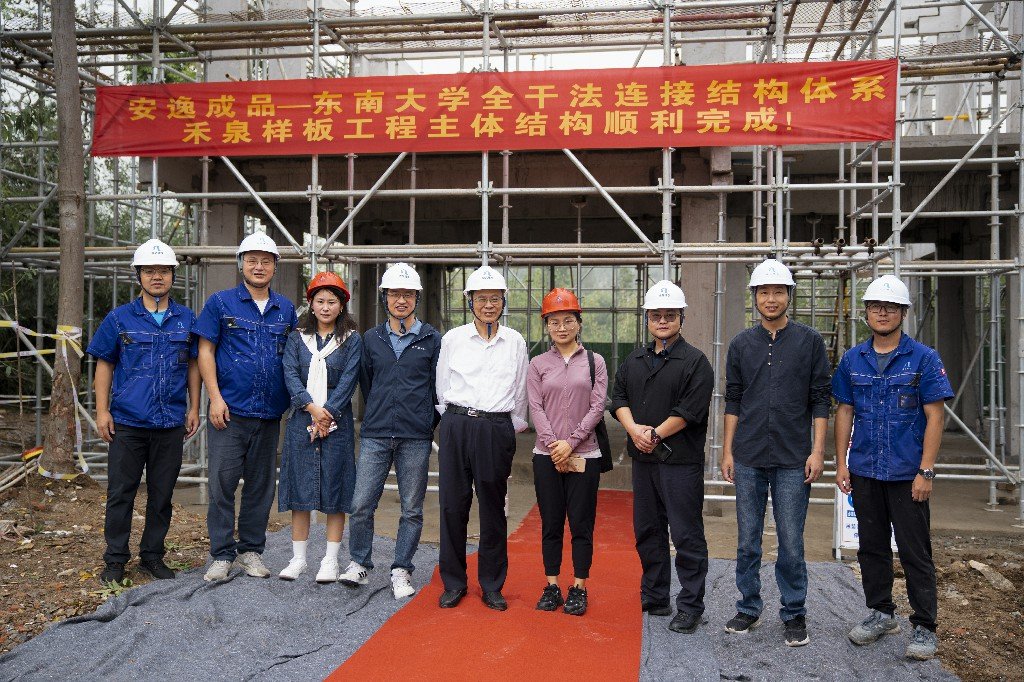
In our He Quan Town Homestay Project, the main structure was completed by a small installation team in a short time. The project records show that 5 installers completed the main structure in 3 days, using a standardized structural system.
This does not mean every project will have the same timeline, but it shows how dry-connection precast construction can reduce site labor pressure.
2. Faster Construction
Time is money.
For resort homes, villa communities, rural housing, ADU projects, and workforce housing, faster construction can help buyers:
- Open the project earlier
- Start rental income earlier
- Reduce site management time
- Reduce labor cost
- Reduce equipment rental days
- Reduce weather exposure
- Improve cash flow
In the He Quan Town Homestay Project, our dry-connection building system helped shorten the main structure construction period, with the main structure period reduced by 60% compared with traditional cast-in-place construction.
3. Less Wet Work
Traditional RCC construction needs more on-site concrete pouring, curing, formwork, water use, and wet trades.
Precast construction reduces many of these steps.
Our dry-connection system helps reduce on-site concrete casting, curing and washing water, formwork work, dust, noise pollution, and construction waste.
This can reduce both direct cost and site management pressure.
4. Better Quality Control
RCC quality depends heavily on site workers, weather, material handling, and supervision.
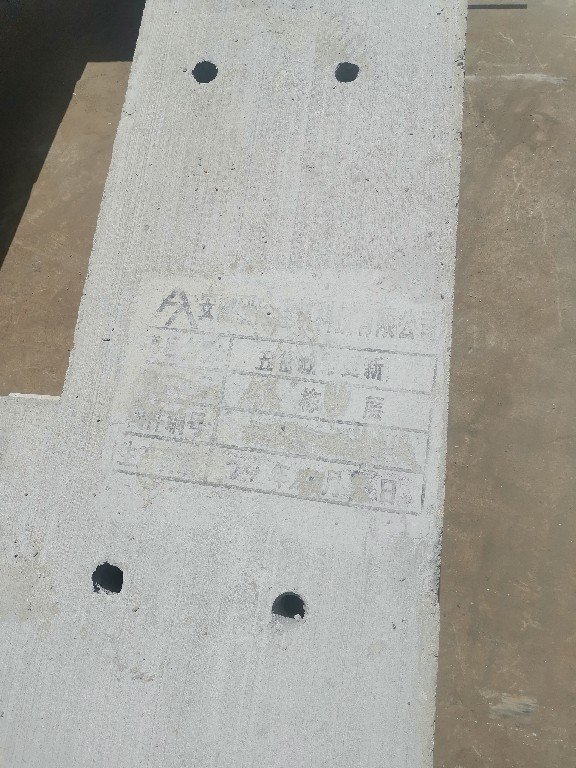
Precast components are made in a factory, where dimensions, reinforcement, embedded parts, and surface quality can be checked before shipping.
This helps reduce rework on site.
For developers and distributors, stable quality also makes repeat projects easier.
5. Better Repeatability
If you only build one small house, RCC may be easier.
But if you plan to build many units, precast can become more efficient.
For example:
- Resort villa groups
- Rural housing projects
- ADU product lines
- Workforce housing
- Real estate development
- Distributor repeat orders
Precast components can be standardized and repeated.
This helps control cost, shorten production planning, and improve delivery consistency.
Precast vs RCC: Cost Comparison by Project Type
| Project Type | RCC May Be Better When | Precast May Be Better When |
|---|---|---|
| One small local house | Local labor is cheap and schedule is flexible | Buyer wants faster delivery and stronger quality control |
| Resort project | Design changes are frequent and timeline is not urgent | Many units need repeated quality and faster opening |
| Villa community | Local contractor is very experienced with RCC | Developer needs standardized units and cleaner construction |
| Rural housing | Local materials and labor are easy to manage | Project needs faster construction and less site disturbance |
| ADU project | Small local build with simple approval | Buyer needs repeatable product and export-ready system |
| Workforce housing | Temporary low-budget solution | Stronger long-term accommodation and repeated installation |
| Overseas project | Strong local RCC team is available | Buyer wants factory-made components and installation guidance |
Cost Factors Buyers Should Compare
Do not compare only one number.
When comparing RCC and precast construction, check these cost factors:
Structure Cost
RCC may have lower local material cost.
Precast may have higher component cost because factory production, molds, connectors, and quality control are included.
Labor Cost
RCC usually needs more site labor.
Precast usually needs fewer workers for the main structure, but trained installers and lifting equipment are needed.
Time Cost
RCC usually takes longer because of formwork, pouring, curing, and sequential site work.
Precast can be faster because components are produced in advance and assembled on site.
Equipment Cost
RCC needs formwork, scaffolding, concrete tools, and site labor equipment.
Precast needs lifting equipment, such as a truck crane or mobile crane.
For some project conditions, our system can work with a small construction work surface, and the main equipment may be one truck crane.
Quality Cost
Poor RCC site control may lead to rework.
Poor precast production can also cause problems, but factory inspection helps reduce this risk before delivery.
Shipping Cost
For local projects, RCC materials may be easier to source locally.
For overseas precast projects, shipping and container loading must be planned carefully.
Long-Term Cost
A cheaper structure is not always cheaper over time.
Long-term cost includes:
- Maintenance
- Repairs
- Customer complaints
- Project delay
- Energy performance
- Market acceptance
- Building value
For villas, resorts, and long-term housing, buyers should compare full lifecycle value.
When Is RCC Construction Cheaper?
RCC construction may be cheaper when:
- The project is small and local
- Local labor is inexpensive
- Construction time is not urgent
- Local contractors are skilled
- Formwork and materials are easy to source
- Design changes are expected during construction
- Shipping precast components would be too expensive
- The project does not require repeatable units
For a one-off local building, RCC can still be a practical solution.
When Is Precast Construction Cheaper in the Full Project?
Precast construction may become cheaper in the full project when:
- The project has multiple similar units
- Labor cost is high
- Project schedule is tight
- Site work must be reduced
- Quality must be more consistent
- The project needs repeatable delivery
- The buyer wants faster installation
- The site has limited construction space
- The project needs cleaner construction
- The developer wants earlier operation or sales
For developers, resort owners, distributors, local builders, and overseas project buyers, precast construction is often not about the lowest initial price.
It is about lower total project risk.
Simple Example: Resort Project
Imagine a resort owner wants to build 20 guest villas.
With RCC construction, every villa depends heavily on site labor, weather, curing time, and local construction management.
If one team works slower, the whole project may be delayed.
With precast construction, the components can be planned and produced in a more standardized way. On site, the team follows the installation sequence and repeats the process from one villa to the next.
In this case, precast may save cost through:
- Faster installation
- Less site labor
- Fewer delays
- Better consistency
- Earlier opening
- Easier repeat management
For a resort project, opening earlier can create real business value.
Is Precast Always More Expensive Than RCC?
No.
Precast is not always more expensive.
It may be more expensive in initial component cost, but it can reduce other costs:
- Labor
- Time
- Rework
- Waste
- Management
- Delay risk
- Quality variation
For repeatable projects, the total cost difference may become smaller. In some cases, precast can be more cost-effective than RCC.
Is RCC Always Cheaper Than Precast?
No.
RCC may look cheaper at the beginning, but it can become expensive if the project has:
- High labor cost
- Long construction period
- Poor site management
- Weather delays
- Rework
- Material waste
- Quality problems
- Late project opening
For developers and contractors, project delay is often one of the biggest hidden costs.
Why SY home Uses Precast Concrete with Dry Connection
We use precast concrete because many project buyers need a stronger and more predictable building system.
We use dry connection because it helps reduce heavy wet work and make installation more structured.
Our system supports:
- Precast concrete frame structure
- Factory-made components
- Patented dry-connection technology
- ALC wall panel options
- Flexible exterior wall design
- Light steel roof options
- Dry interior finishing
- Integrated kitchen and bathroom options
- Optional solar roof and energy storage
- Packing and installation support
For villas, resorts, rural housing, ADU projects, workforce housing, and overseas prefab construction, this helps buyers compare not only price, but also project delivery value.
What Should Buyers Ask Before Comparing Cost?
Before asking “which is cheaper,” ask these questions:
- Is this a one-off project or repeat project?
- How many units will be built?
- How expensive is local labor?
- How important is construction speed?
- Is the site easy to manage?
- Are local workers skilled in RCC?
- Is crane equipment available?
- How much does delay cost?
- What quality level is required?
- Is factory production useful for this project?
- What is the total cost, not only structure cost?
- What is included in the quotation?
- What work must be done locally?
- What installation support is provided?
These questions will help you make a better decision.
Precast vs RCC: Which One Should You Choose?
Choose RCC construction if:
- You are building one small local project
- Local labor is low-cost and skilled
- Time is not urgent
- Site concrete work is easy to manage
- You want more flexibility during construction
- You do not need repeatable units
Choose precast construction if:
- You are building multiple homes
- You need faster project delivery
- You want more factory quality control
- You want less site wet work
- You want cleaner construction
- You want repeatable quality
- You want easier project management
- You are building villas, resorts, rural homes, ADU units, or workforce housing
Conclusion
So, which one is cheaper, precast or RCC construction?
RCC construction may be cheaper at the beginning for small, local, one-off projects.
Precast construction can be more cost-effective for repeatable projects, faster delivery, better quality control, and lower site management risk.
For developers, contractors, resort owners, distributors, local builders, and overseas project buyers, the best choice is not always the lowest square-meter price.
The better choice is the system that helps you control the full project cost.
At SY home, we provide precast concrete prefab homes with patented dry-connection technology to help buyers reduce wet work, improve installation efficiency, and build stronger prefab homes for long-term use.
SY Home - Precast Concrete Prefab Modular Homes Manufacturer in China
Compare Precast and RCC Costs for Your Project
Send us your project location, building size, quantity, layout, and target use. Our team will help you evaluate whether SY home’s precast concrete prefab system is suitable for your project budget and delivery plan.