Skip to content
When considering prefab homes or retaining walls for your project, understanding the strength and quality of precast concrete is crucial.
For developers, contractors, resort owners, distributors, local builders, and overseas project buyers, precast concrete walls are often an attractive choice. But the big question is: How strong are they?
In this blog, we will explain the strength of precast concrete walls, how they compare to other wall systems, and why they are a great solution for both residential and commercial projects. We will also address the quality of precast concrete retaining walls.
What Are Precast Concrete Walls?
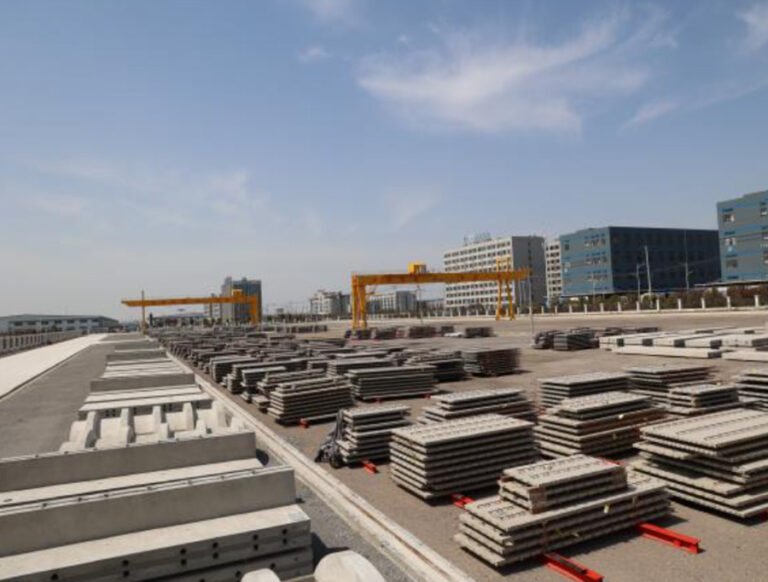
Precast concrete walls are factory-made concrete panels or systems used as exterior or interior walls in buildings. They are produced in molds under controlled factory conditions, ensuring consistency in quality and dimensions.
Unlike traditional concrete walls that are cast on-site, precast walls are manufactured off-site, then transported to the project site for installation. These walls can be used for:
- Residential buildings
- Commercial buildings
- Retaining walls
- Sound barriers
- Security walls
- Temporary or permanent structures
How Strong Are Precast Concrete Walls?
Precast concrete walls are known for their high strength and durability due to the controlled manufacturing process in a factory setting. Here's a breakdown of why they are so strong:
-
Reinforcement: Precast concrete uses reinforced concrete, where steel rebar is placed within the concrete to enhance its strength, particularly under tension. This makes precast concrete walls suitable for both load-bearing and non-load-bearing applications.
-
Compressive Strength: Precast concrete typically has a compressive strength of around 25 to 40 MPa (megapascals), though it can be even stronger depending on the mix design and the specific application.
- For comparison, typical concrete poured on-site might have a strength of around 25 MPa, so precast concrete can be much stronger, providing better durability and stability.
-
Resilience: These walls are also resistant to extreme weather conditions, making them ideal for various environments. Precast concrete walls resist freezing and thawing cycles, moisture penetration, and high winds, which makes them excellent for both exterior walls and retaining walls in areas with challenging climates.
-
Fire Resistance: Precast concrete has exceptional fire resistance and can withstand high temperatures without compromising the structure, making it ideal for safety and fire safety regulations.
-
Long-Term Durability: Precast concrete can last for decades with minimal maintenance, making it a cost-effective solution for long-term projects. It is also highly resistant to insects and decay, unlike wood or masonry.
Precast Concrete Retaining Wall Quality
Precast concrete retaining walls are widely used for applications where soil needs to be retained, such as in landscaping, garden walls, and erosion control projects. Here’s why they are considered to have high-quality performance:
-
Load-Bearing Capacity: Precast concrete retaining walls are designed to handle significant vertical and lateral forces. Their strength comes from the high-quality concrete used and the reinforcement inside the walls, which ensures they can withstand the weight of soil and any other external pressure.
-
Weather Resistance: Precast concrete is highly durable in harsh weather conditions, including heavy rain, snow, and freezing temperatures. Since precast concrete walls are produced in a controlled factory environment, they maintain uniform strength, which is critical when used for retaining walls.
-
Customization: Precast retaining walls can be manufactured in different shapes and sizes, making them adaptable to various structural needs and aesthetic preferences. Whether it's for residential gardens or large commercial landscaping projects, precast concrete walls provide flexibility.
-
Installation Speed: One of the biggest benefits of using precast concrete for retaining walls is the speed of installation. Since these walls are pre-made and only need to be placed and connected on-site, it drastically reduces labor time and construction delays, unlike poured-in-place concrete, which requires more on-site work.
-
Cost-Effective: While the initial cost may be higher than traditional poured concrete walls, the reduced labor and faster installation time often result in overall savings for the project.
Comparison with Other Wall Systems
| Wall System | Strength Factors | Suitable for | Durability | Speed of Construction |
|---|---|---|---|---|
| Precast Concrete Walls | High compressive strength, load-bearing, weather-resistant, fire-resistant | Residential, commercial, retaining walls, security | Extremely durable, long-lasting | Fast installation, less site work |
| Masonry Walls | Good load-bearing but weaker in some areas | Residential, commercial | Durable but may need maintenance | Slower due to bricklaying and curing time |
| Light Steel Frame Walls | Lower load-bearing, lighter structure | Temporary, lightweight buildings | May need more insulation and cladding | Faster, but less robust in long-term applications |
| Wood Frame Walls | Lightweight, lower strength | Residential, low-rise buildings | Less durable and more vulnerable to weather | Quick construction but requires maintenance |
Why Precast Concrete Walls Are Stronger
Precast concrete walls are stronger for several reasons:
- Factory Control: Precast components are produced in a controlled factory environment, which ensures high quality and consistent strength. The molds used are precise, ensuring uniformity in each component.
- Reinforcement: Precast concrete uses high-quality steel reinforcement, which increases the tensile strength of the concrete, allowing it to support more weight and resist breaking.
- Curing Process: In the factory, the concrete is cured in optimal conditions, ensuring it reaches maximum strength before being transported to the site. This controlled process eliminates variables like weather conditions that can affect the curing of concrete poured on-site.
What Is a Precast Concrete Retaining Wall?
A precast concrete retaining wall is a wall system used to retain soil, preventing erosion and providing structural support to areas where there is a change in elevation. These walls are often used for:
- Terraced landscaping
- Slope stabilization
- Building foundations
- Garden walls
- Parking lot retaining walls
Precast concrete retaining walls are popular because of their strength, durability, and ease of installation. They are often preferred over traditional retaining wall methods due to their ability to handle significant weight and pressure from the soil behind them.
Benefits of Precast Concrete Retaining Walls
-
High Load-Bearing Capacity
Precast concrete retaining walls can support substantial soil pressure due to their high strength and reinforcement. They are ideal for both residential and commercial projects where large volumes of soil need to be held back. -
Durability and Longevity
These walls are built to last for many years without needing significant maintenance. They are resistant to weather conditions, pests, and even natural disasters, providing a long-term solution. -
Speed of Installation
Precast concrete retaining walls can be installed much faster than traditional poured concrete or masonry walls. The panels are delivered to the site ready for assembly, which significantly reduces labor time. -
Versatility
Precast concrete retaining walls can be customized to different heights, shapes, and finishes, allowing them to blend into various architectural styles and landscaping designs. -
Cost-Effectiveness
While the initial cost of precast concrete retaining walls may be higher than some alternatives, they save money in the long run by reducing labor costs, improving speed, and minimizing the need for maintenance.
How Do Precast Concrete Walls Perform in Harsh Conditions?
Precast concrete walls are designed to perform well in harsh conditions. They are:
- Weather-resistant: They withstand high winds, heavy rain, and snow without deterioration.
- Temperature-resistant: They can maintain their integrity even in freezing or extremely hot temperatures.
- Resistant to Corrosion: The steel reinforcement is coated and protected, reducing the risk of corrosion from exposure to moisture and chemicals.
This makes precast concrete walls an excellent choice for both residential and commercial buildings in any environment.
Are Precast Concrete Walls More Expensive Than Traditional Walls?
The initial cost of precast concrete walls may be higher than traditional masonry walls or poured concrete, but they offer significant long-term value:
- Lower labor cost: Since the walls are pre-made and ready for installation, labor costs are reduced.
- Reduced construction time: Precast walls can be installed quickly, saving both time and money.
- Long-lasting durability: Precast concrete walls require less maintenance over time, making them more cost-effective in the long term.
For developers and contractors, precast concrete walls can be a more cost-effective solution when considering the total project cost, especially for repeat projects, residential, and commercial buildings.
How to Choose Precast Concrete Walls for Your Project?
When choosing precast concrete walls for your project, consider the following factors:
- Building type: Whether you need them for residential, commercial, or retaining wall applications.
- Load-bearing requirements: Ensure that the wall design meets the load-bearing capacity needed for your project.
- Weather and environment: If your project is in an area with extreme weather conditions, make sure the precast walls are designed to withstand these elements.
- Timeline: Precast concrete walls are faster to install, so consider this when planning your project schedule.
- Customization: Check whether the supplier offers customizable designs for your specific aesthetic and functional needs.
Conclusion
Precast concrete walls are a strong, durable, and cost-effective solution for a wide range of building projects. Whether you're building a home, commercial property, or retaining wall, precast concrete offers numerous benefits over traditional construction methods.
With their high compressive strength, load-bearing capacity, resilience to weather conditions, and fire resistance, precast concrete walls are ideal for projects that require reliable, long-lasting performance.
For developers, contractors, resort owners, distributors, local builders, and overseas project buyers, precast concrete retaining walls and structural walls provide an excellent choice for both residential and commercial applications.
At SY home, we specialize in providing precast concrete prefab home solutions with quality control, factory-made components, and project support for global projects. Our system ensures faster installation, better durability, and more efficient project delivery.
SY Home - Precast Concrete Prefab Modular Homes Manufacturer in China
Contact us for your precast concrete wall needs. Our team will help you select the right solution for your project’s requirements, budget, and timeline.