Skip to content
When developers, contractors, resort owners, distributors, local builders, and overseas project buyers compare prefab homes, many technical words can be confusing.
You may see terms like dry connection, precast concrete, ALC wall panel, BIM, BIPV, UHPC, modular construction, or factory-made components.
These words are important, but they should not make buying prefab homes harder.
This guide explains the common terms in simple words, with easy examples and buyer-friendly explanations.
At SY home, we focus on precast concrete prefab homes with patented dry-connection technology, factory-made components, and project-ready support for villas, resorts, rural housing, ADU projects, workforce housing, and overseas prefab construction.
1. What Is a Prefab Home?
A prefab home is a house made with parts produced before they arrive at the site.
Think of it like building with large, engineered blocks.
The main parts are prepared in the factory, then delivered to the site for assembly.
For project buyers, prefab homes can help reduce site work, shorten construction time, and make quality easier to control.
2. What Is a Precast Concrete Home?
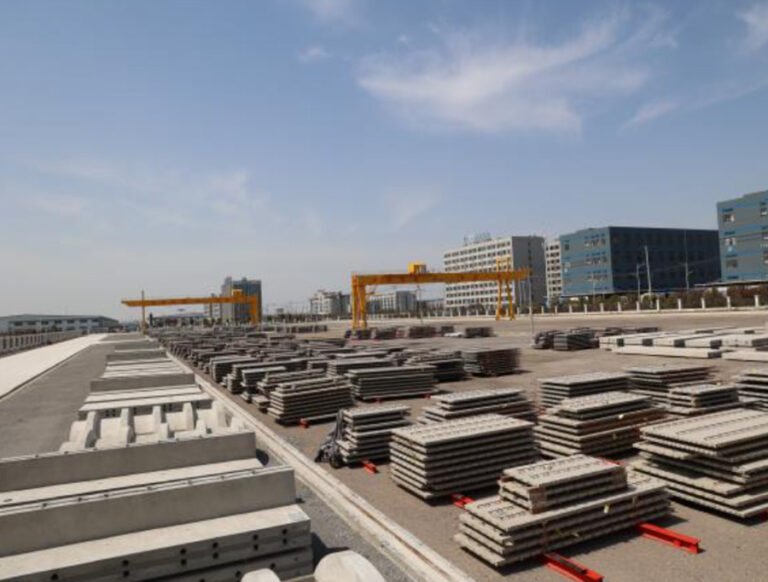
A precast concrete home uses concrete components made in the factory.
These components may include:
- Columns
- Beams
- Floor slabs
- Balcony panels
- Stair parts
- Wall-related components
“Precast” simply means the concrete is cast before it reaches the construction site.
Instead of pouring all the concrete at the jobsite, we produce key parts in the factory first. This helps improve size control, production consistency, and installation planning.
3. What Is Precast Concrete?
Precast concrete is concrete made in a factory mold.
A simple example:
Traditional concrete is like cooking at the construction site.
Precast concrete is like preparing the main ingredients in a professional kitchen, then bringing them to the site for final assembly.
This is useful because factory production is easier to control than open-site production.
4. What Is a Concrete Frame?
A concrete frame is the “skeleton” of the building.
Just like a human body needs bones to stand, a prefab home needs a strong frame to support the house.
In our system, concrete columns and beams form the main frame. Brackets and dry connectors help connect the structure into a reliable reinforced concrete frame.
5. What Are Columns and Beams?
Columns are the vertical supports.
Beams are the horizontal supports.
A simple way to understand:
- Columns are like the legs of a table
- Beams are like the top support bars between the legs
Together, they help carry the building load and form the main structure.
6. What Is a Precast Column?
A precast column is a factory-made vertical concrete support.
It is produced before installation, then transported to the site and lifted into position.
For prefab home projects, precast columns help make the structure more standardized and easier to assemble.
7. What Is a Precast Beam?
A precast beam is a factory-made horizontal concrete support.
It connects with columns and helps carry the floor, roof, or other building loads.
In a prefab concrete home, beams and columns work together like a strong building skeleton.
8. What Is a Precast Floor Slab?
A precast floor slab is a factory-made concrete floor panel.
Instead of building the whole floor from scratch on site, the slab is produced first and then installed on the frame.
Our system can use full precast concrete floors, which are designed to be easier to install, comfortable to use, and flexible for layout planning.
9. What Is Dry Connection?
Dry connection means building parts are connected mainly by mechanical methods, such as connectors, brackets, bolts, embedded parts, or engineered connection systems.
It reduces heavy wet work on site.
A simple example:
Traditional construction is like using glue and waiting for it to dry.
Dry connection is more like using strong screws, brackets, and engineered joints to connect parts faster and more clearly.
Our dry-connection system is designed to reduce node cast-in-place work and make installation more standardized.
10. What Does “Node Cast-in-Place” Mean?
A node is a key connection point, usually where columns, beams, and slabs meet.
Cast-in-place means concrete is poured on site.
So “node cast-in-place” means the connection point still needs concrete poured at the jobsite.
In simple words, it is like the joint area still needs wet construction.
Our dry-connection technology helps reduce this kind of wet work, making the installation faster, cleaner, and easier to manage.
11. What Is a Connector?
A connector is a part used to join building components together.
It can be compared to the metal bracket that holds two pieces of furniture together.
In a prefab home, connectors are much stronger and more engineered. They help connect columns, beams, slabs, stairs, or other components safely.
12. What Is a Bracket?
A bracket is a support part.
You can think of it like the small support under a shelf.
In a prefab concrete system, brackets help support and connect building components during assembly.
13. What Are Alloy Steel Fasteners?
Alloy steel fasteners are strong metal parts used for connection.
Fasteners can include bolts, anchors, or similar parts.
In our R&D goals, we focus on strong alloy steel fasteners to support high-strength connection performance.
A simple way to understand:
Fasteners are like the “strong screws” of the building system.
14. What Is ALC?
ALC means Autoclaved Lightweight Concrete.
ALC wall panels are lightweight concrete wall panels made in a factory.
They are commonly used for exterior walls and interior partition walls in prefab homes.
A simple example:
Traditional brick walls are built piece by piece.
ALC wall panels are larger wall boards that can be installed faster.
15. What Are ALC Wall Panels?
ALC wall panels are factory-made wall panels.
They can help reduce traditional brickwork and make wall installation faster.
For project buyers, ALC panels are useful because they can support:
- Faster wall installation
- Cleaner site work
- Better wall flatness
- Better prefab system matching
- More solid wall feeling than many thin board systems
In our frame system, exterior wall options can include block, ALC, glass, or other materials to match different building styles.
16. What Is an Exterior Wall?
An exterior wall is the outside wall of the building.
It protects the home from weather, wind, rain, heat, and cold.
For prefab homes, exterior walls also affect the final appearance of the building.
17. What Is an Interior Partition Wall?
An interior partition wall is a wall inside the building.
It divides rooms, such as bedroom, bathroom, kitchen, and living room.
It usually does not carry the main building load.
18. What Is a Light Steel Roof?
A light steel roof uses steel members to form the roof structure.
It is lighter than a heavy concrete roof and can be suitable for many prefab home designs.
In prefab homes, the roof system should match the structure, climate, insulation, waterproofing, and exterior design.
19. What Is a Sloped Roof?
A sloped roof is a roof with an angle.
It is common in villas, rural homes, resorts, and traditional-style houses.
A simple example:
A flat roof is like a table surface.
A sloped roof is like a tent shape or triangle shape that helps water run down.
Our system can support different roof designs, including sloped roofs with different shapes and styles.
20. What Is a Flat Roof?
A flat roof is a roof with little or no slope.
It can be used for modern-style homes.
Flat roofs may use concrete, wood skeleton, steel skeleton, or special design options depending on the project.
21. What Is Modular Construction?
Modular construction means building in organized sections or systems.
A simple example:
Instead of making everything one by one on site, the building is divided into planned parts, produced or prepared in advance, and assembled later.
It is like making a product with repeatable modules.
For developers and distributors, modular construction can make projects easier to repeat.
22. What Is Standardization?
Standardization means using planned sizes, parts, and methods repeatedly.
A simple example:
If every door, wall panel, and connector is different, installation becomes slow.
If parts follow a standard system, production and installation become easier.
For prefab homes, standardization helps improve quality, control cost, and support repeat orders.
23. What Are Factory-Made Components?
Factory-made components are building parts produced in a factory.
They may include:
- Columns
- Beams
- Floor slabs
- Wall panels
- Roof parts
- Stair parts
- Interior panels
- Connection parts
The goal is to move more work from the jobsite to the factory.
This helps improve production control and reduce site uncertainty.
24. What Is Industrialized Construction?
Industrialized construction means making buildings more like manufacturing.
A simple example:
Traditional construction is like handmade work.
Industrialized construction is like factory production with planned processes, tools, and quality control.
Our building concept moves more work from “site building” to “factory manufacturing,” which helps improve quality, efficiency, and repeatability.
25. What Is On-Site Assembly?
On-site assembly means putting building parts together at the project site.
For prefab homes, the site work is more like installation than traditional construction.
The local team receives the parts, checks the drawings, lifts components, connects the structure, installs walls and roof, and completes finishing work.
26. What Is Mechanical Installation?
Mechanical installation means using tools, equipment, lifting devices, and planned methods to install components.
It is different from hand-built masonry work.
For prefab concrete homes, mechanical installation may include crane lifting, component positioning, leveling, and connector installation.
Our construction method can use mechanical lifting and assembly to improve site efficiency and installation quality.
27. What Is a Truck Crane?
A truck crane is a crane mounted on a truck.
It can lift heavy components on site.
For precast concrete prefab homes, a crane may be needed because concrete components are heavier than light steel parts.
Our system can support a small construction work surface, and for some project conditions, the main equipment may be one truck crane.
28. What Is BIM?
BIM means Building Information Modeling.
In simple words, BIM is a digital model of the building.
It is like a 3D “building map” that helps coordinate structure, walls, water, electricity, HVAC, and other systems before construction.
For prefab homes, BIM can help reduce mistakes because many details can be checked before production.
Our integrated design approach uses BIM thinking to coordinate building, structure, water, electricity, and HVAC systems in one design process.
29. What Is MEP?
MEP means Mechanical, Electrical, and Plumbing.
In simple words:
- Mechanical: ventilation, air systems, or related equipment
- Electrical: wires, lighting, switches, sockets
- Plumbing: water pipes, drainage, bathroom and kitchen water systems
For prefab homes, MEP should be planned early so the wall panels, floor slabs, bathroom, and kitchen do not conflict with the structure.
30. What Is HVAC?
HVAC means Heating, Ventilation, and Air Conditioning.
It is the system that helps control indoor air, temperature, and comfort.
For resorts, villas, and long-term residential projects, HVAC planning can affect comfort and energy use.
31. What Is an Integrated Bathroom?
An integrated bathroom means the bathroom is planned as a system.
It may include wall panels, floor system, waterproofing, toilet, shower, basin, plumbing, and finishing parts.
A simple example:
Instead of treating the bathroom as many separate small jobs, it is planned as one complete bathroom solution.
This can help reduce site work and improve installation control.
32. What Is an Integrated Kitchen?
An integrated kitchen means the kitchen is planned as a complete system.
It may include cabinets, wall panels, countertop, sink, plumbing, electrical points, and layout planning.
For prefab home projects, this helps make the kitchen easier to install and easier to repeat across multiple units.
33. What Is Dry Interior Finishing?
Dry interior finishing means finishing work with less wet cement, mortar, or plaster.
It can include dry floors, wall panels, ceiling panels, bathroom panels, and kitchen panels.
A simple example:
Traditional finishing is like painting and plastering everything on site.
Dry finishing is more like installing prepared panels and systems.
This can reduce wet work, waiting time, and site mess.
34. What Is UHPC?
UHPC means Ultra-High Performance Concrete.
It is a special high-performance concrete material.
In simple words, it is a stronger and more advanced type of concrete used for special parts or details.
In our prefab villa system, stair solutions can use UHPC + steel structure combinations when the project needs strong performance and clean installation.
35. What Is a Composite Stair?
A composite stair uses more than one material.
For example, it may combine steel and UHPC, or steel and other materials.
The goal is to use each material where it performs best.
A simple example:
A shoe can use rubber for the sole and fabric for the upper part.
A composite stair uses different materials together for better performance and installation.
36. What Is BIPV?
BIPV means Building-Integrated Photovoltaics.
In simple words, it means solar power is integrated into the building itself.
For example, solar roof tiles can work as part of the roof and also generate electricity.
BIPV is different from simply adding solar panels later. It is planned as part of the building design.
37. What Is a Solar Roof?
A solar roof is a roof that can help produce electricity.
For prefab homes, solar roof options can be useful for:
- Resorts
- Remote sites
- Rural housing
- Green building projects
- Energy-saving projects
If the project needs solar energy, it should be planned early with roof design, wiring, battery storage, and local electrical requirements.
38. What Is Energy Storage?
Energy storage means storing electricity for later use.
A simple example:
It works like a large battery.
For a prefab home with solar roof, energy storage can help store solar power during the day and use it when needed.
39. What Is a 30 MPa Concrete Frame?
30 MPa is a way to describe concrete strength.
MPa means megapascal, a unit used to measure pressure or strength.
In simple words, a 30 MPa reinforced concrete frame is designed to be strong and reliable for the building structure.
Our R&D goals include a strong 30 MPa reinforced concrete frame.
40. What Is Seismic Resistance?
Seismic resistance means the building is designed to better resist earthquake forces.
A simple example:
A building in an earthquake needs to stand and move safely, like a strong table that does not collapse when shaken.
For buyers in earthquake-prone markets, seismic design should be reviewed with local engineers.
41. What Is Typhoon Resistance?
Typhoon resistance means the building is designed to better handle strong wind.
This matters for coastal areas, islands, tropical regions, and markets with frequent storms.
For overseas projects, wind load should always be checked based on local building requirements.
42. What Is Fire Resistance?
Fire resistance means a material or building part can resist fire for a certain time.
For prefab homes, fire performance may involve the structure, walls, insulation, doors, roof, and interior materials.
Project buyers should ask for the fire performance of the complete wall or building system, not just one material.
43. What Is Thermal Insulation?
Thermal insulation helps reduce heat transfer.
In simple words, it helps keep the home warmer in winter and cooler in summer.
For villas, resorts, ADU projects, and workforce housing, insulation affects comfort and energy use.
44. What Is Sound Insulation?
Sound insulation helps reduce noise transmission.
A simple example:
If one room is noisy, good sound insulation helps keep the next room quieter.
For resort homes, homestays, and residential projects, sound comfort is important because people feel it directly.
45. What Is a Building Envelope?
The building envelope is the outer layer of the building.
It includes walls, roof, windows, doors, insulation, and sealing.
A simple example:
The building envelope is like the coat of the house.
It protects the inside from rain, wind, heat, cold, and noise.
46. What Is a Foundation?
A foundation is the base of the building.
It transfers the building load to the ground.
Even if the house is prefabricated, the foundation is usually prepared locally.
For overseas projects, local engineers should confirm the foundation based on soil, building load, and local rules.
47. What Is Component Numbering?
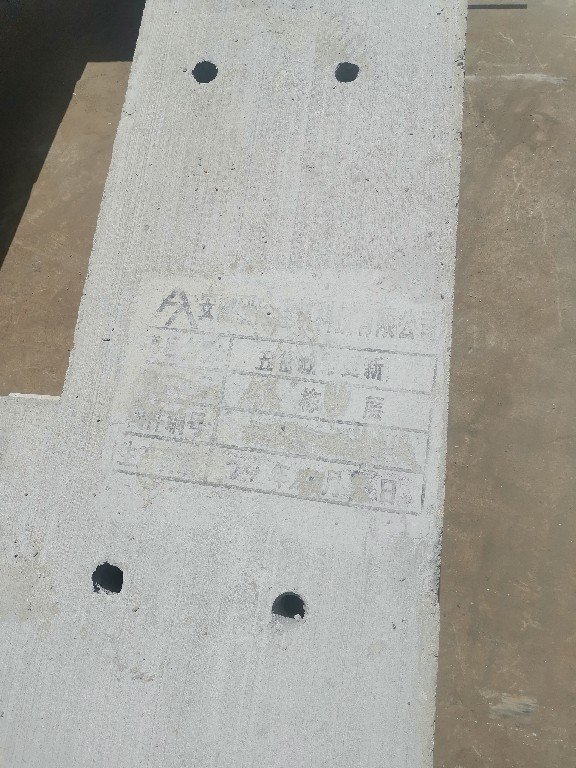
Component numbering means each part has a code or label.
A simple example:
It is like numbering furniture parts before assembly.
For prefab homes, component numbering helps the installation team know where each column, beam, slab, wall panel, or connector should go.
This is especially useful for overseas installation teams.
48. What Is SOP?
SOP means Standard Operating Procedure.
In simple words, it is a step-by-step installation guide.
For prefab homes, SOP can help local teams understand:
- What to install first
- Which component to use
- How to connect parts
- What tools are needed
- What details must be checked
For overseas projects, SOP documents can reduce communication mistakes.
49. What Is a BOQ?
BOQ means Bill of Quantities.
It is a list of materials, parts, quantities, and sometimes costs.
A simple example:
It is like a shopping list for the building project.
For developers and contractors, BOQ helps compare quotations and control project budgets.
50. What Is a Packing List?
A packing list shows what is inside each shipment or container.
For prefab homes, it should clearly show:
- Component names
- Component numbers
- Quantity
- Accessories
- Packing details
- Container information
A good packing list helps the local team unload and install correctly.
51. What Is Container Loading?
Container loading means placing components into shipping containers.
For overseas prefab home projects, this is very important.
If loading is not planned well, parts may be damaged, containers may be wasted, or the local team may struggle to find components after arrival.
52. What Is a 40-Foot Container?
A 40-foot container is a standard shipping container used for international transport.
Many prefab building components need to be designed and packed with container transport in mind.
For overseas projects, component size, weight, and packing sequence should be planned before production.
53. What Is Installation Guidance?
Installation guidance means support from the supplier during the local assembly process.
It may include:
- Installation drawings
- SOP documents
- Videos
- Online meetings
- Remote technical support
- Site engineer support if needed
For overseas developers, contractors, and local builders, installation guidance can reduce mistakes and speed up the learning process.
54. What Is Project Delivery?
Project delivery means more than shipping products.
For prefab homes, project delivery includes:
- Drawing review
- Component production
- Quality control
- Packing
- Shipping support
- Installation guidance
- After-sales communication
A good prefab home supplier should support the full process, not only sell components.
55. What Is a Project-Ready Prefab Home Solution?
A project-ready prefab home solution means the product is prepared for real construction.
It should include:
- Clear structure
- Confirmed drawings
- Component list
- Wall and roof system
- Packing plan
- Installation support
- Quality control
- Export support
For developers, resort owners, distributors, local builders, and overseas project buyers, this is more useful than only receiving a low price.
56. What Is the Difference Between a Product and a Building System?
A product is one item.
A building system is a complete set of parts and methods that work together.
A simple example:
A door is a product.
A full prefab home with structure, walls, roof, bathroom, kitchen, drawings, packing, and installation support is a building system.
At SY home, we focus on complete prefab home systems, not only single components.
57. Why Do These Terms Matter Before Buying?
These terms matter because they affect real project results.
They influence:
- Structure safety
- Installation speed
- Shipping cost
- Local labor
- Quality control
- Project timeline
- Final appearance
- Customer comfort
- Long-term value
If a supplier cannot explain these terms clearly, it may be harder for your local team to install and manage the project.
58. What Questions Should Buyers Ask SY home?
Before starting a prefab home project, you can ask us:
- What structure is best for my project?
- Is dry connection suitable for my site?
- What components will be produced in the factory?
- What work should be done locally?
- Can you support ALC wall panels?
- Can you support solar roof options?
- Can you provide installation drawings?
- Can you provide component numbers and packing lists?
- What crane or tools are needed?
- How many workers may be needed?
- How long does installation take?
- Can you support my local builder or installation team?
These questions help us prepare a more practical proposal for your project.
Conclusion
Prefab home terms can sound difficult at first.
But most of them are easy to understand when explained with simple examples.
SY home provides precast concrete prefab home solutions with patented dry-connection technology, factory-made components, flexible wall and roof systems, and installation support for global projects.
SY home - Prefab Home Manufacturer in China
Ask SY home to Explain Your Prefab Home Project
Send us your project location, building size, quantity, layout, and target use. Our team will help you understand the right structure, wall system, roof option, packing plan, and installation process for your prefab home project.