Skip to content
ALC wall panels are commonly used in modern prefab homes because they are lightweight, practical, and suitable for fast construction.
For developers, contractors, resort owners, distributors, local builders, and overseas project buyers, wall panels are not just “filling materials.”
They affect the building’s installation speed, thermal comfort, sound performance, fire safety, wall flatness, shipping plan, and long-term maintenance.
In a prefab home project, the main structure is important. But the wall system is also a key part of the whole building solution.
SY home uses ALC wall panels in precast concrete prefab homes to support cleaner construction, faster wall installation, and flexible exterior design.
What Are ALC Wall Panels?
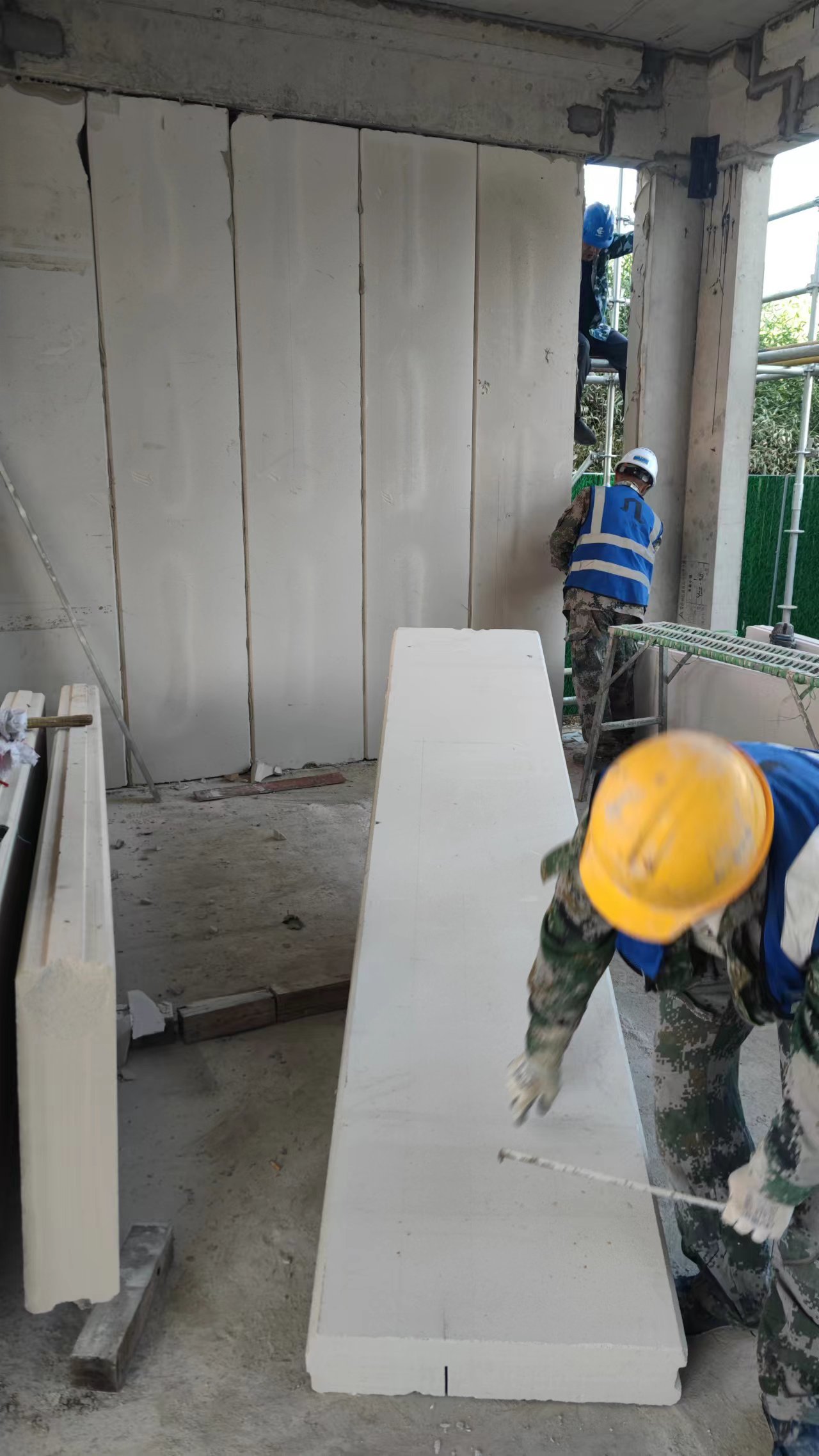
ALC means Autoclaved Lightweight Concrete.
ALC wall panels are factory-made lightweight concrete panels. They are commonly used as exterior wall panels, interior partition walls, and non-load-bearing enclosure walls in prefab and modular buildings.
Compared with traditional brick or block walls, ALC panels are more suitable for industrialized construction because they are produced in standard sizes and installed as larger wall units.
For prefab homes, this means the wall system can be planned earlier, produced more consistently, and installed faster on site.
Why ALC Wall Panels Are Used in Prefab Homes
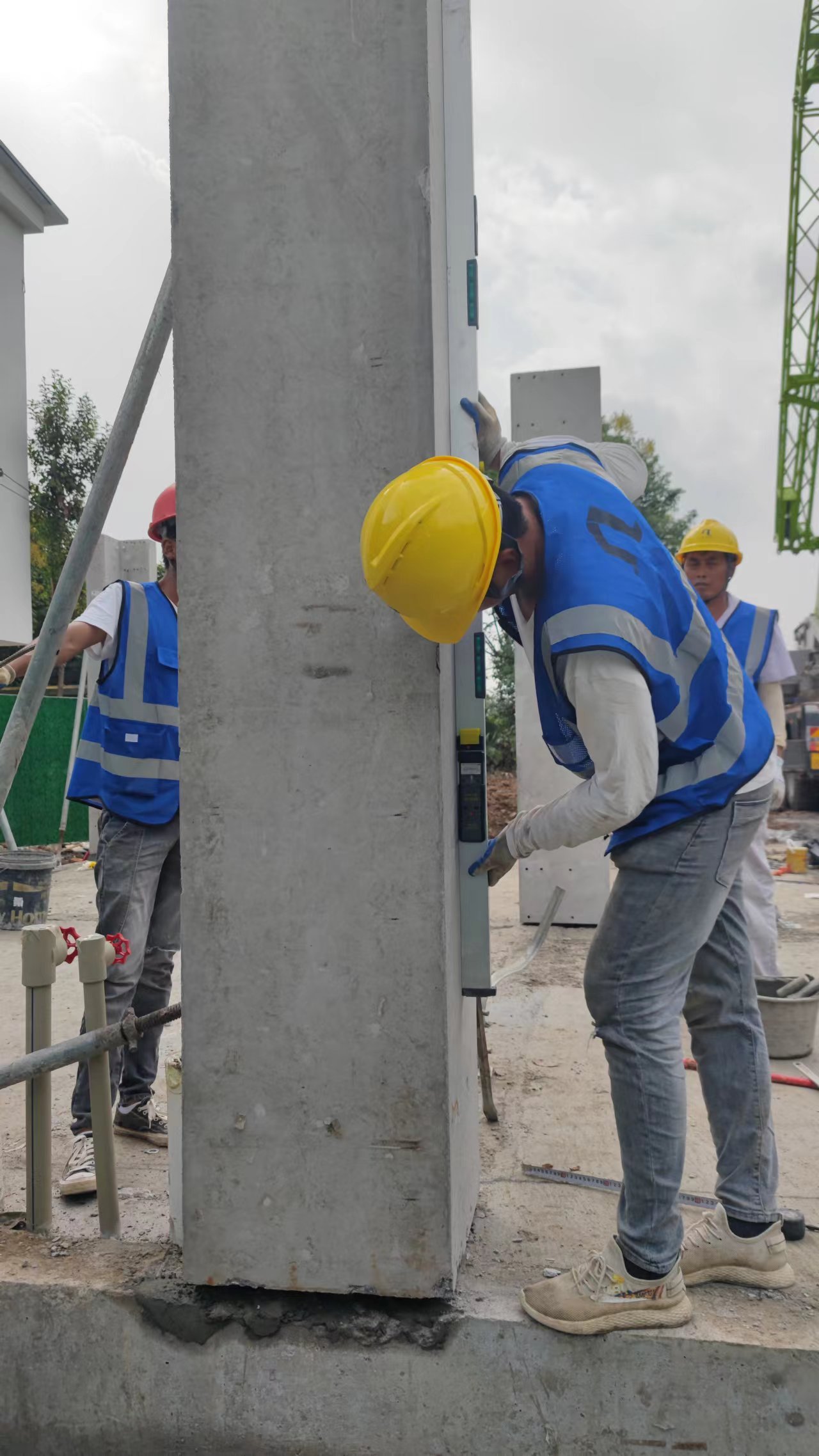
Prefab homes are designed to reduce heavy site work.
If the main structure is prefabricated but the walls are still built slowly with traditional masonry, the project may still face many old construction problems.
ALC wall panels help solve this issue.
They support:
- Faster wall installation
- Less on-site masonry work
- Cleaner construction site
- Better size consistency
- Easier wall flatness control
- More predictable project schedule
- Better matching with prefab structural systems
In SY home’s technical project materials, ALC panels are used for both exterior wall enclosure and interior partition walls, while the exterior facade can also use insulated decorative panels.
How ALC Wall Panels Work with Precast Concrete Prefab Homes
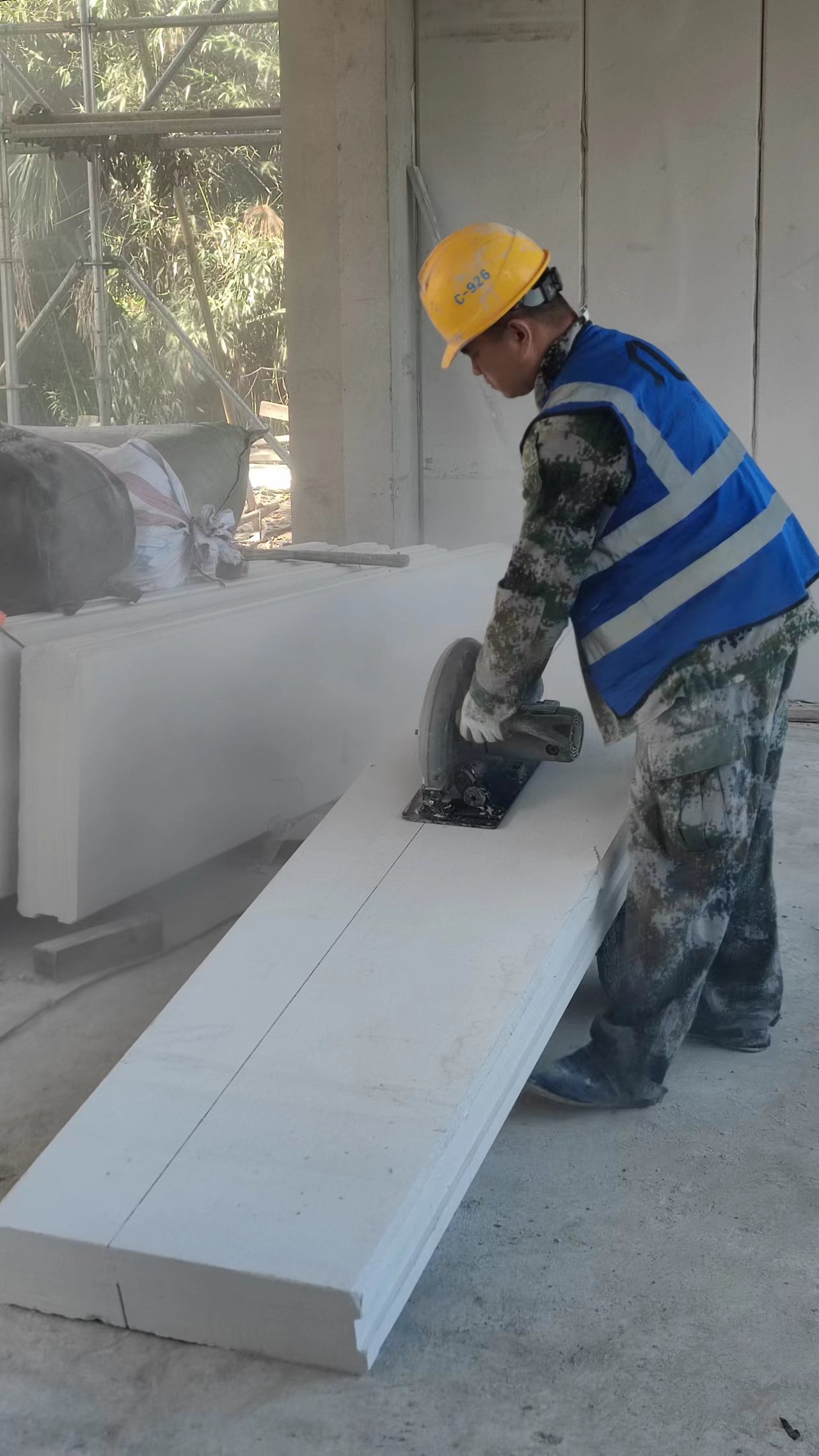
In SY home’s prefab building system, the main structure is a precast reinforced concrete frame.
The frame gives the home its main structural strength. The ALC wall panels are then used as non-load-bearing walls or enclosure walls.
This combination is useful because each part does what it is best at:
| Building Part | Main Function |
|---|---|
| Precast concrete frame | Provides main structural strength |
| Dry connectors | Help connect key structural components |
| ALC wall panels | Form exterior and interior walls |
| Insulated exterior panels | Improve facade finish and insulation |
| Light steel or other roof system | Complete the roof structure |
| Dry interior finish system | Reduce wet work and improve delivery speed |
Our precast concrete system uses columns and beams to form a strong frame structure. For the exterior walls, we can use ALC panels, block walls, glass, or other materials to match different building styles.
This is important for project buyers because the wall system can adapt to different architectural designs without changing the main structural logic.
ALC Wall Panels vs Traditional Brick Walls
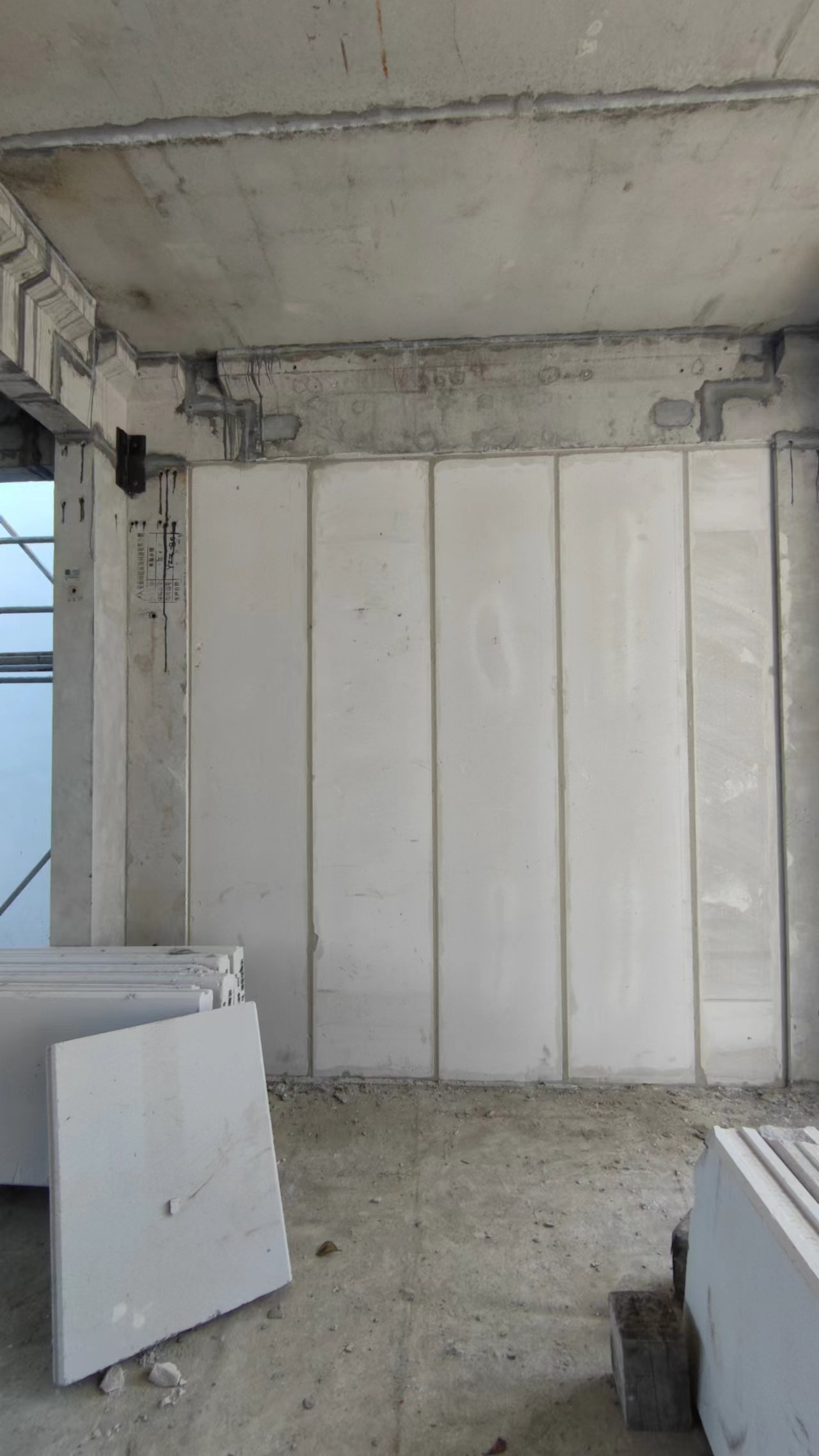
Traditional brick walls are still widely used in many markets.
But for prefab homes, ALC wall panels can be more suitable because they match the idea of factory production and fast on-site assembly.
| Item | Traditional Brick Wall | ALC Wall Panel |
|---|---|---|
| Installation method | Built piece by piece on site | Installed as larger factory-made panels |
| Site work | More manual masonry work | Less masonry work |
| Speed | Slower | Faster |
| Wall flatness | Depends heavily on workers | Easier to control |
| Construction waste | More cutting, mortar, and site waste | Cleaner installation |
| Labor demand | Needs skilled masonry workers | Needs trained installation team |
| Prefab compatibility | Lower | Higher |
| Best for | Traditional construction | Prefab homes, villas, resorts, rural housing, and modular projects |
For overseas developers, distributors, and local builders, this difference matters because labor cost and site efficiency can strongly affect the final project cost.
Benefits of ALC Wall Panels for Prefab Homes
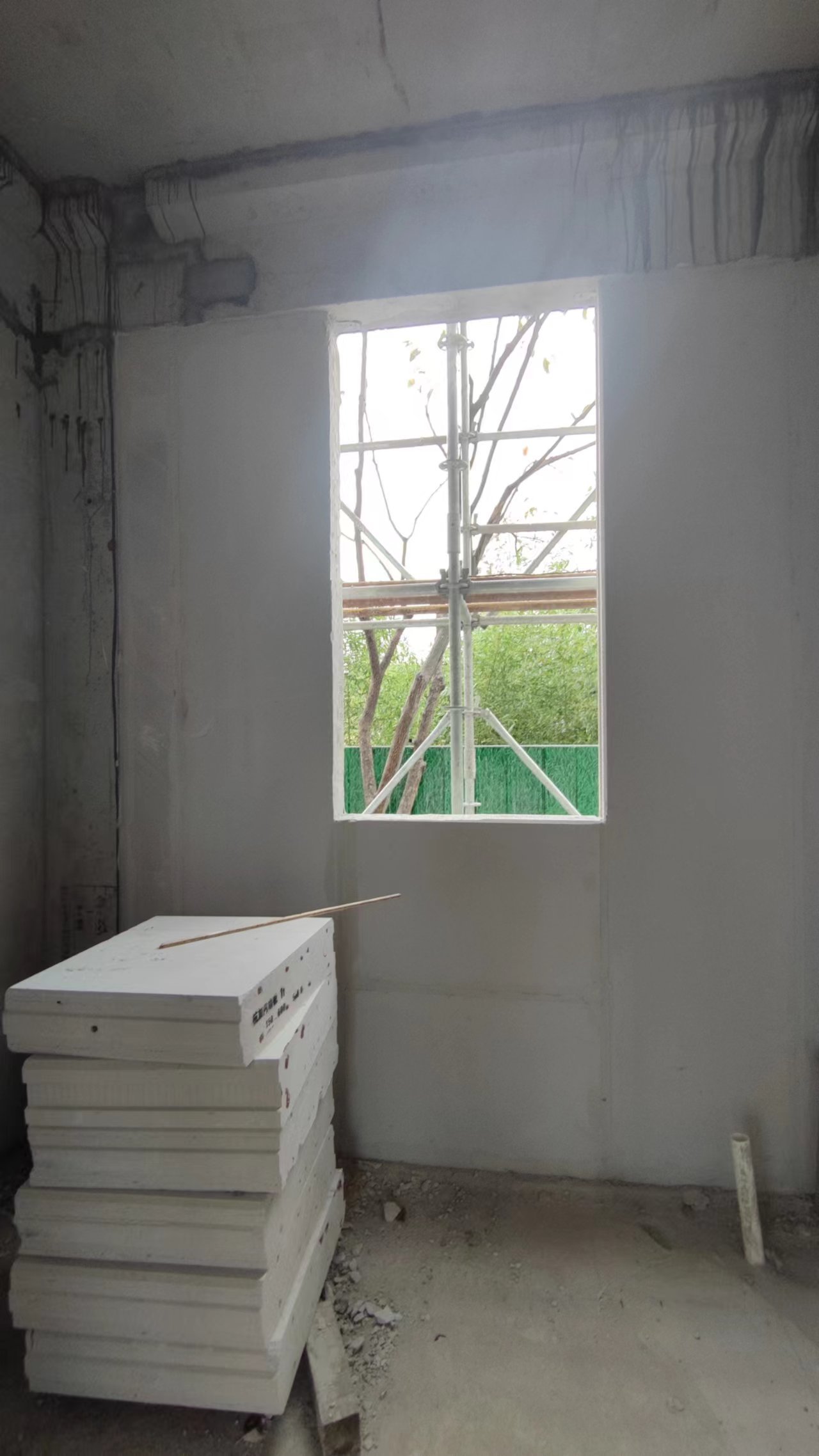
1. Faster Wall Installation
ALC panels are installed as larger wall units.
This can reduce the time needed for wall construction compared with traditional brick or block masonry.
For projects such as resort homes, rural housing, ADU units, and villa communities, faster wall installation helps move the project forward more smoothly.
2. Less Wet Work on Site
One of the goals of prefab construction is to reduce wet work.
ALC panels help reduce the need for traditional masonry, mortar work, and repeated site finishing.
When used with SY home’s dry-connection precast concrete structure, the overall project can become cleaner and easier to manage.
3. Better Wall Flatness
Wall flatness affects the final interior and exterior finish.
Because ALC panels are factory-made, the wall surface is easier to control than traditional hand-built walls.
This helps reduce later finishing problems and can improve the final appearance of the home.
4. Lightweight Wall System
ALC panels are lighter than many traditional concrete or masonry wall systems.
This can help reduce wall load and make them easier to install as part of a prefab building system.
For local installation teams, lighter wall components can make handling and positioning easier compared with heavy traditional wall methods.
5. Better Thermal Comfort
Wall performance affects indoor comfort.
ALC wall panels can help improve the building envelope when combined with proper insulation design, exterior panels, windows, roof insulation, and sealing details.
For resort homes, villas, and long-term housing projects, this matters because the final user cares about comfort, not only structure.
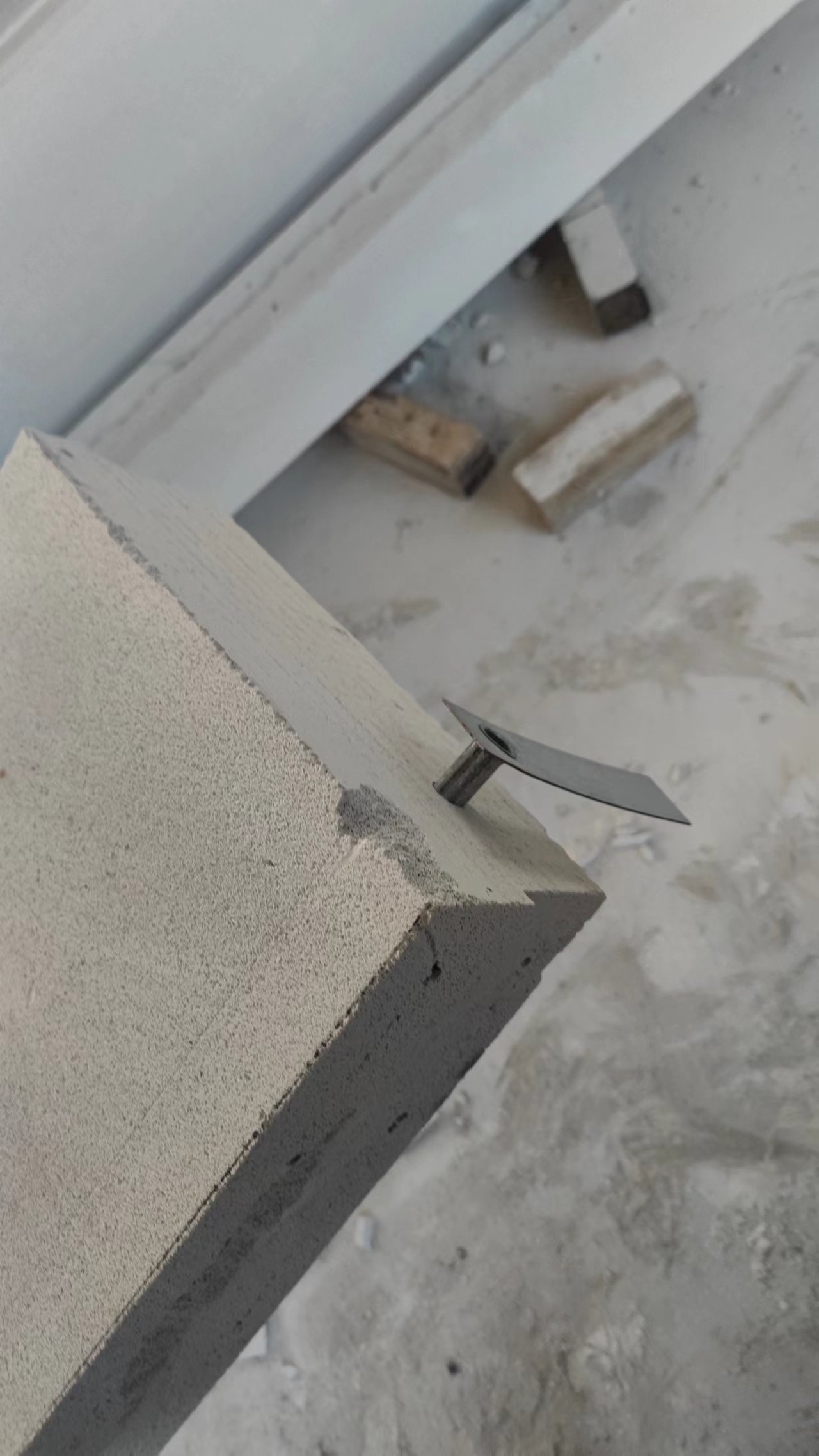
6. Better Sound Comfort
ALC wall panels can support better sound comfort than many thin lightweight wall systems.
For residential projects, this is important because buyers and guests can feel the difference in daily use.
This is especially useful for:
- Resort rooms
- Homestay projects
- Rural homes
- ADU units
- Workforce accommodation
- Villa developments
7. Cleaner Construction Site
ALC wall panels reduce the need for large amounts of on-site brickwork.
This can help reduce dust, waste, noise, and messy site conditions.
For tourism projects, resort areas, village renovation projects, and projects near existing communities, cleaner construction can be a strong advantage.
8. Good Match with Exterior Design
ALC panels can work with different exterior finishes.
In SY home’s system, exterior wall materials and facade solutions can be selected flexibly. This allows the building to support different styles, such as modern villas, countryside homes, resort cabins, simple European styles, or new Chinese-style buildings.
Where Are ALC Wall Panels Used in Prefab Homes?
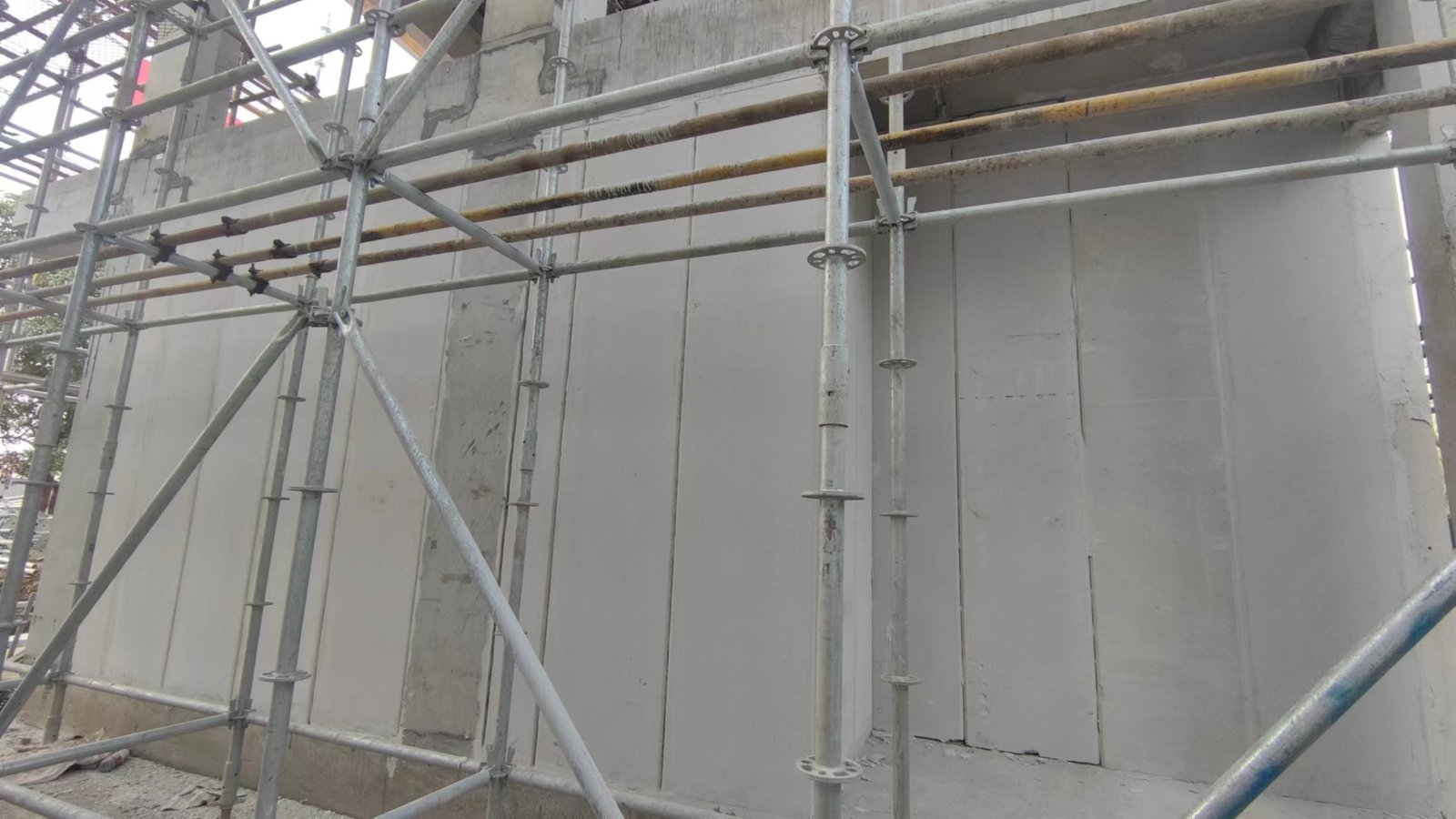
ALC wall panels can be used in several areas of a prefab home.
Exterior Walls
ALC panels can be used as exterior enclosure walls.
They form the basic wall body and can be combined with exterior insulation, decorative panels, coatings, or other facade systems.
Interior Partition Walls
ALC panels can also be used for interior partition walls.
They help divide rooms while keeping the installation faster and cleaner than traditional masonry.
Bathroom and Kitchen Areas
In bathroom and kitchen areas, the wall system should be planned together with waterproofing, plumbing, wall finish, and dry interior systems.
The supplier and buyer should confirm which wall panels, boards, and finishing materials are used before production.
Resort and Villa Projects
ALC panels are suitable for prefab villas, resort homes, rural houses, and homestay projects because they support a more solid wall feeling than many thin lightweight wall systems.
How ALC Wall Panels Are Installed
The exact installation process depends on the project design.
A typical process may include:
- Confirm the structural frame is installed and checked
- Check wall panel layout drawings
- Confirm panel numbers and positions
- Lift or move panels into place
- Align panels with the structural frame
- Fix panels according to the technical design
- Treat panel joints
- Check window and door openings
- Complete waterproofing and sealing details
- Apply exterior or interior finishing layers
For overseas projects, installation drawings and component numbers are very important.
A clear installation sequence can help local workers understand the wall system faster and reduce mistakes on site.
ALC Wall Panels in the SY home Building System
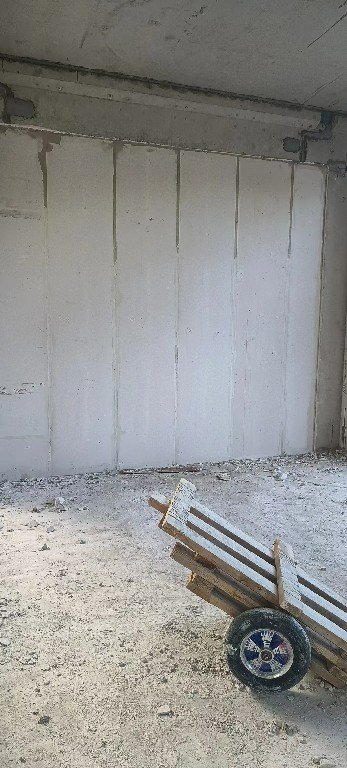
SY home does not use ALC wall panels as a standalone product only.
They are part of a complete prefab home building system.
The system can include:
- Precast reinforced concrete frame
- Patented dry-connection technology
- ALC exterior wall panels
- ALC interior partition panels
- Insulated decorative exterior panels
- Light steel roof system
- Dry floor system
- Integrated kitchen
- Integrated bathroom
- Optional solar roof and energy storage
In the San Zhi Xiao Lu project technical scheme, the building used ALC wall panels, insulated decorative exterior panels, dry floor systems, integrated kitchen, integrated bathroom, and photovoltaic roof options as part of the overall prefab design.
For developers, resort owners, local builders, and distributors, this is more useful than buying wall panels separately because the wall system is matched with the structure, roof, interior finish, and installation process.
ALC Wall Panels and Dry-Connection Construction
ALC wall panels work well with dry-connection prefab construction.
SY home’s patented dry-connection technology reduces heavy wet work in the structural system. ALC wall panels further support the same goal by reducing traditional on-site wall masonry.
Together, they help create a building process that is more focused on:
- Factory-made components
- Standardized production
- On-site assembly
- Reduced wet trades
- Cleaner site management
- Faster project delivery
This is useful for overseas developers and local installation teams because the project becomes easier to explain, train, repeat, and manage.
ALC Wall Panels vs Light Steel Wall Systems
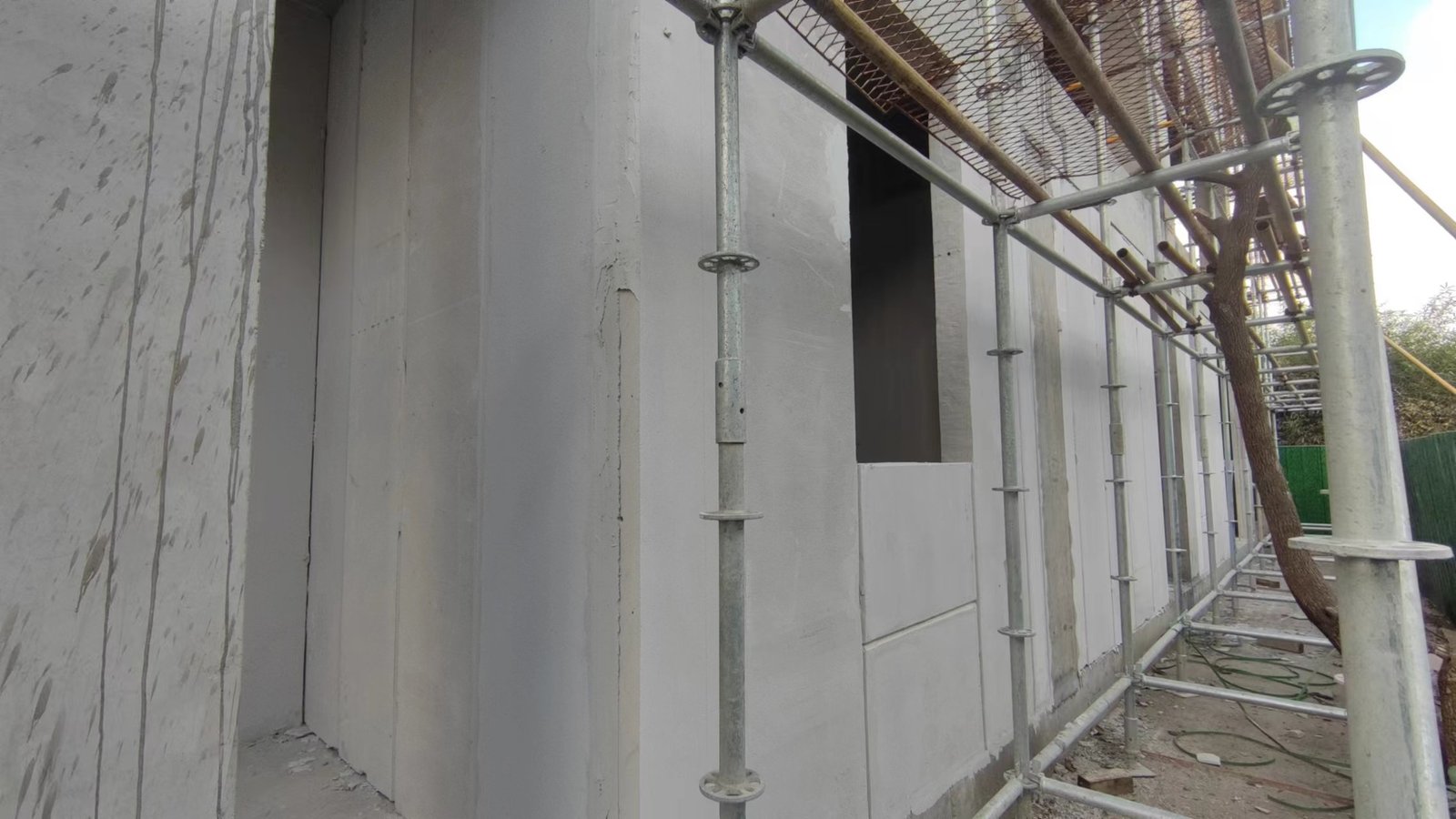
Many light steel homes use lightweight board wall systems.
These systems can be fast and flexible, but some buyers may worry about wall feeling, sound comfort, fire performance, and long-term durability.
ALC wall panels can give the home a more solid wall feel.
| Item | ALC Wall Panels | Common Light Steel Wall Systems |
|---|---|---|
| Wall feeling | More solid | Lighter |
| Installation | Panel-based installation | Frame + board layers |
| Sound comfort | Usually stronger wall mass | Depends on insulation and board layers |
| Fire performance | Good non-combustible material base | Depends on board and insulation system |
| Long-term housing image | More permanent feeling | Depends on market acceptance |
| Design use | Exterior and interior walls | Exterior and interior walls |
| Best for | Villas, resorts, rural homes, long-term projects | Cabins, temporary housing, budget projects, light residential use |
For project buyers who want a stronger and more permanent building image, ALC panels can be a good match with precast concrete prefab homes.
What Should Buyers Ask About ALC Wall Panels?
Before buying prefab homes with ALC wall panels, ask the supplier:
- Are ALC panels used for exterior walls, interior walls, or both?
- What is the panel thickness?
- What wall finish is used outside?
- What wall finish is used inside?
- How are the panels connected to the structure?
- How are panel joints treated?
- How are window and door openings handled?
- What waterproofing details are used?
- What insulation system is used with the wall?
- What fire performance documents are available?
- How are panels packed and protected for shipping?
- Are wall panel drawings and installation instructions provided?
- Can the local team install the wall system after training?
These questions help you compare the whole wall system, not just the panel name.
Common Mistakes to Avoid
When choosing ALC wall panels for prefab homes, avoid these mistakes:
- Only asking for panel price
- Ignoring the full wall system
- Not checking wall thickness
- Not confirming exterior finish
- Not confirming joint treatment
- Not checking waterproofing details
- Not confirming window and door openings
- Not asking how panels are packed
- Not asking for installation drawings
- Not checking whether local workers can install them
- Not comparing the wall system with the main structure
A wall panel is only one part of the building.
For prefab homes, it should be reviewed together with the structure, roof, insulation, interior finish, and installation method.
Why SY home Uses ALC Wall Panels
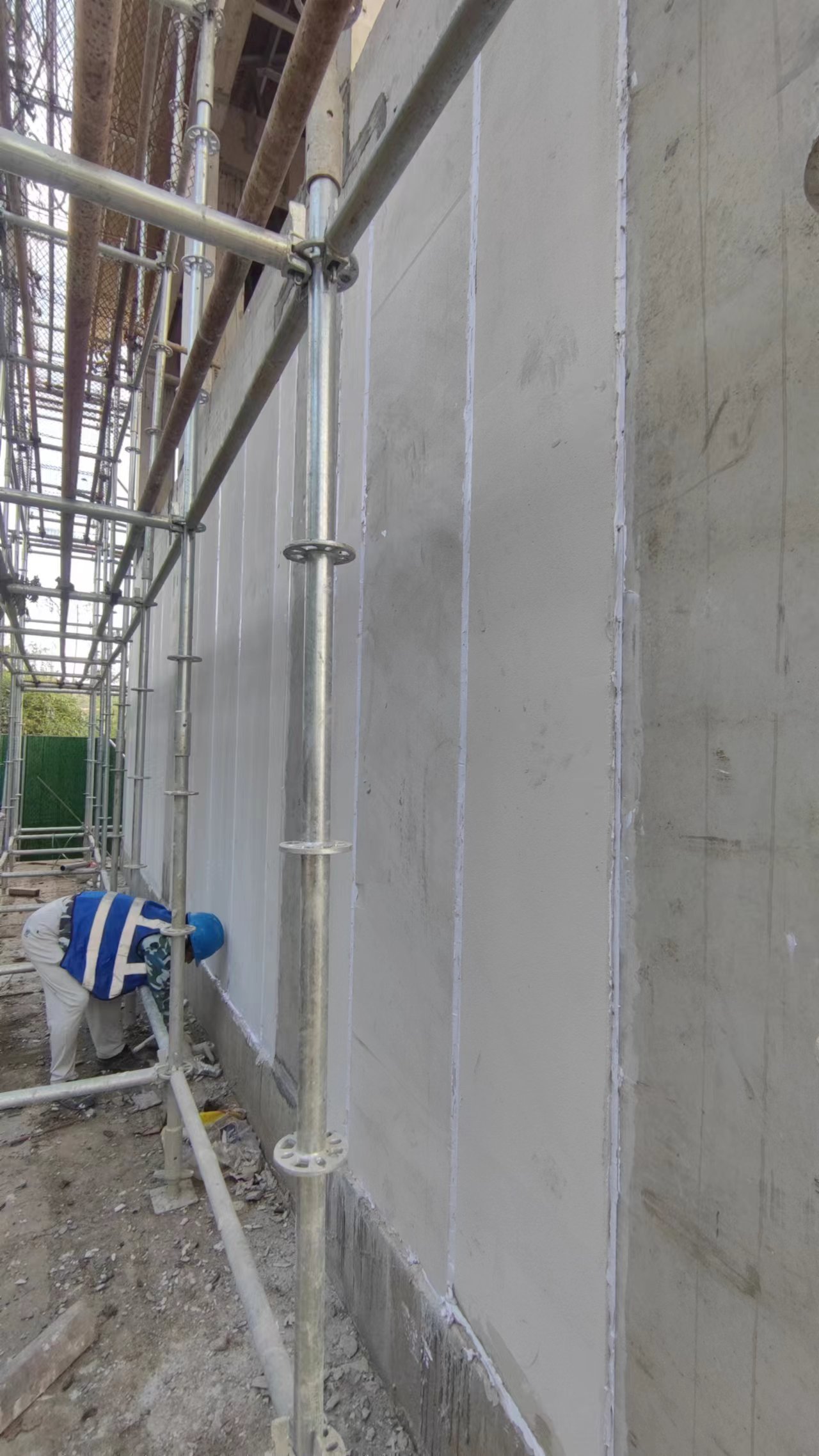
SY home uses ALC wall panels because they fit well with precast concrete prefab homes.
They help support:
- Faster wall installation
- Cleaner site construction
- Less traditional masonry work
- Better wall flatness
- Better prefab system compatibility
- Flexible exterior design
- More solid building feeling
- Project-ready delivery for overseas buyers
When combined with SY home’s patented dry-connection precast concrete frame, ALC wall panels help create a more practical building system for villas, resorts, rural housing, ADU projects, workforce housing, and overseas prefab construction.
Who Should Consider ALC Wall Panel Prefab Homes?
ALC wall panel prefab homes are suitable for:
- Resort developers who need solid and comfortable guest units
- Contractors who need faster construction and clearer site control
- Distributors who want repeatable prefab home products
- Local builders who need a practical wall system for installation
- Rural housing project owners who want durable and cleaner construction
- ADU project buyers who need compact but comfortable homes
- Workforce housing buyers who need stable quality and faster delivery
For these customers, the value is not only the wall panel itself.
The value is a complete prefab building system that can reduce construction difficulty and improve project delivery.
Conclusion
ALC wall panels are an important part of modern prefab homes.
They help reduce traditional masonry work, improve wall installation speed, support cleaner construction, and create a more solid wall system for long-term use.
For developers, contractors, resort owners, distributors, local builders, and overseas project buyers, ALC wall panels should be evaluated as part of the full building system.
SY home combines ALC wall panels with a precast concrete frame, patented dry-connection technology, dry interior finishing, and project-ready support.
This helps buyers build stronger, cleaner, and more practical prefab homes for villas, resorts, rural housing, ADU projects, and overseas construction.
Ask SY home About ALC Wall Panel Prefab Homes
Send us your project location, building size, quantity, and target use. Our team will help you evaluate whether SY home’s ALC wall panel prefab home system is suitable for your project.