Skip to content
Precast concrete prefab homes are not built in the same way as traditional houses.
In traditional construction, many building works happen on site. Workers need to cast concrete, build walls, wait for curing, manage wet trades, and control many details under changing site conditions.
With precast concrete prefab homes, the process is different.
Main building components are produced in the factory first. Then they are transported to the project site and assembled step by step. For project buyers, this means the jobsite can become cleaner, faster, and easier to manage.
SY home uses a patented dry-connection precast concrete building system. The system is designed to reduce heavy wet work on site and make prefab home installation more structured, repeatable, and project-friendly.
What Is a Precast Concrete Prefab Home?
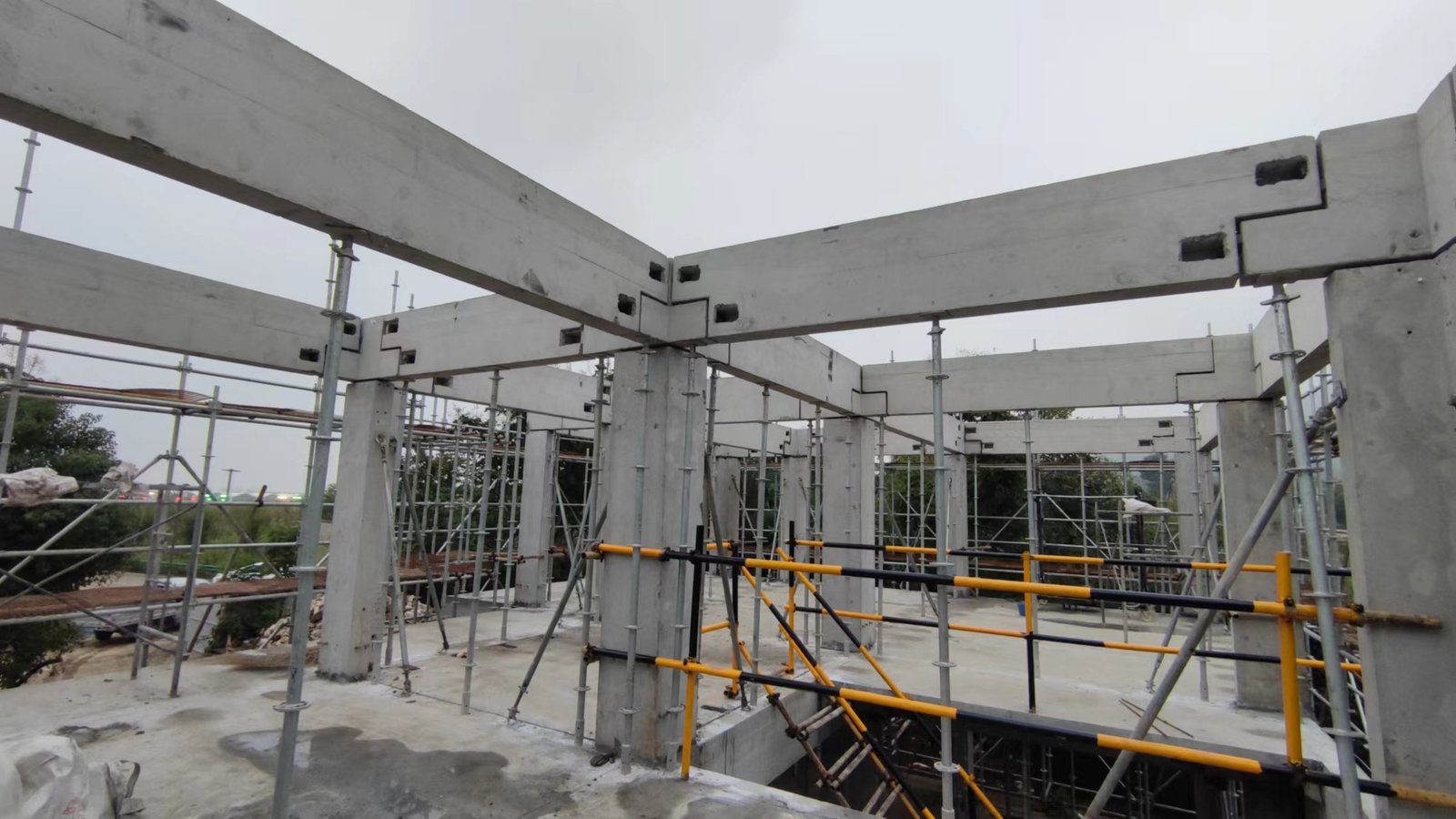
A precast concrete prefab home uses factory-made concrete components as the main building structure.
These components may include:
- Precast concrete columns
- Precast concrete beams
- Precast concrete floor slabs
- Precast balcony panels
- Wall panels
- Roof components
- Stairs
- Connection parts
- Interior dry-finish components
The main difference is that more work is completed before the components arrive at the jobsite.
Instead of relying heavily on on-site casting and wet construction, the project moves toward factory production and on-site assembly.
SY home’s system is based on dry connection, mixed structure, standard component production, finished product delivery, and controllable cost.
Why Installation Method Matters
For developers, contractors, resort owners, distributors, and overseas project buyers, installation is not a small detail.
It affects:
- Project timeline
- Local labor cost
- Site management
- Equipment planning
- Quality control
- Weather risk
- Total project cost
- Customer satisfaction
A low product price does not always mean a lower project cost.
If the installation is difficult, unclear, or too dependent on local wet trades, the project may face delays and extra costs. That is why project buyers should understand how the prefab home is installed before placing an order.
Typical Installation Process Overview
| Step | Main Work | Buyer Should Prepare |
|---|---|---|
| 1 | Confirm drawings | Floor plan, project details, local requirements |
| 2 | Produce components | Confirm structure, materials, and specifications |
| 3 | Prepare site | Foundation, access road, crane, workers |
| 4 | Deliver and unload | Storage area, unloading plan, packing list |
| 5 | Install columns | Positioning, lifting, alignment, temporary support |
| 6 | Install beams | Beam lifting, dry connection, structural checking |
| 7 | Install floor slabs | Slab placement, joint checking, level control |
| 8 | Install wall panels | ALC walls, exterior panels, openings, joints |
| 9 | Install roof system | Light steel roof, waterproofing, insulation, solar option |
| 10 | Install exterior details | Windows, doors, facade, sealing, balcony parts |
| 11 | Complete interior finishing | Dry floor, wall panels, ceiling, bathroom, kitchen |
| 12 | Inspect and adjust | Structure, joints, waterproofing, MEP, final finish |
Step 1: Confirm Drawings Before Production

Installation starts long before the goods arrive on site.
The first step is drawing confirmation.
Before production, the buyer and supplier should confirm:
- Building size
- Floor plan
- Number of floors
- Structural system
- Wall materials
- Roof style
- Window and door positions
- Interior finish level
- Bathroom layout
- Kitchen layout
- Electrical and plumbing plan
- Local site conditions
- Local engineering requirements
This step is important because prefab homes are system-based products.
If the drawings are not clear, the factory may produce the wrong components. If the installation drawings are not clear, the local team may waste time on site.
A good prefab home manufacturer should not only sell a house. They should help turn your project plan into a manufacturable, shippable, and installable building system.
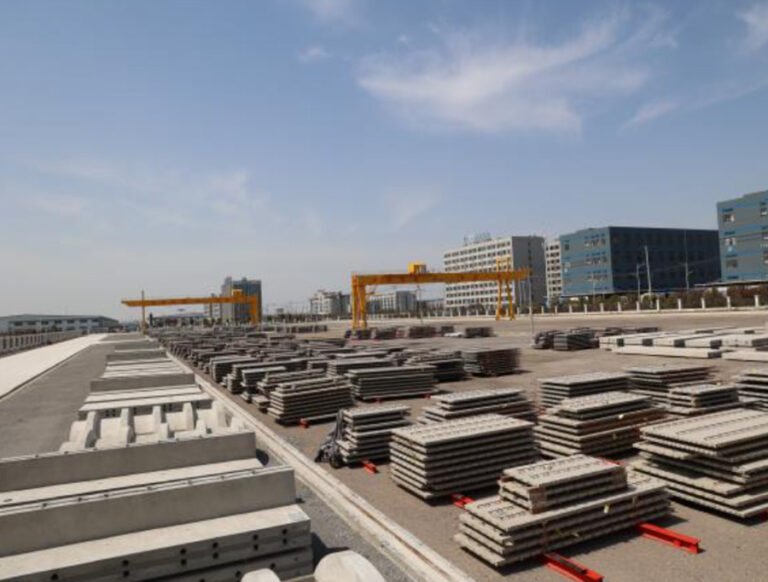
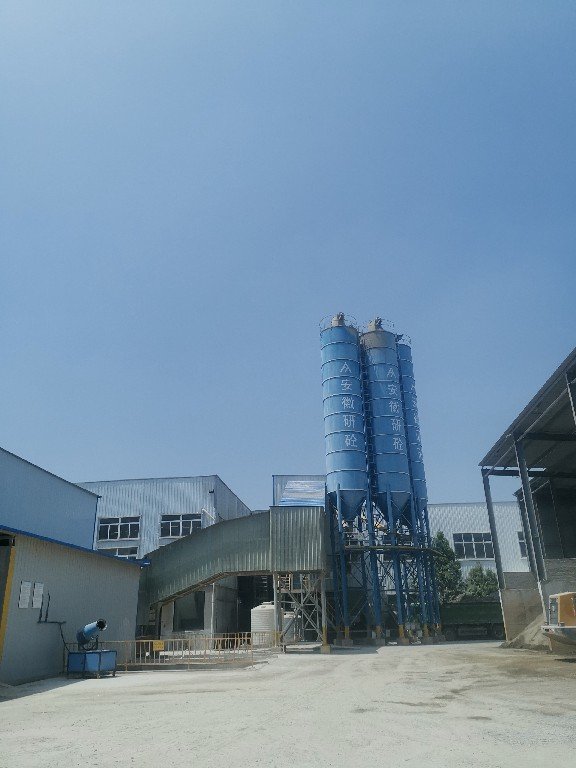
Step 2: Produce Components in the Factory
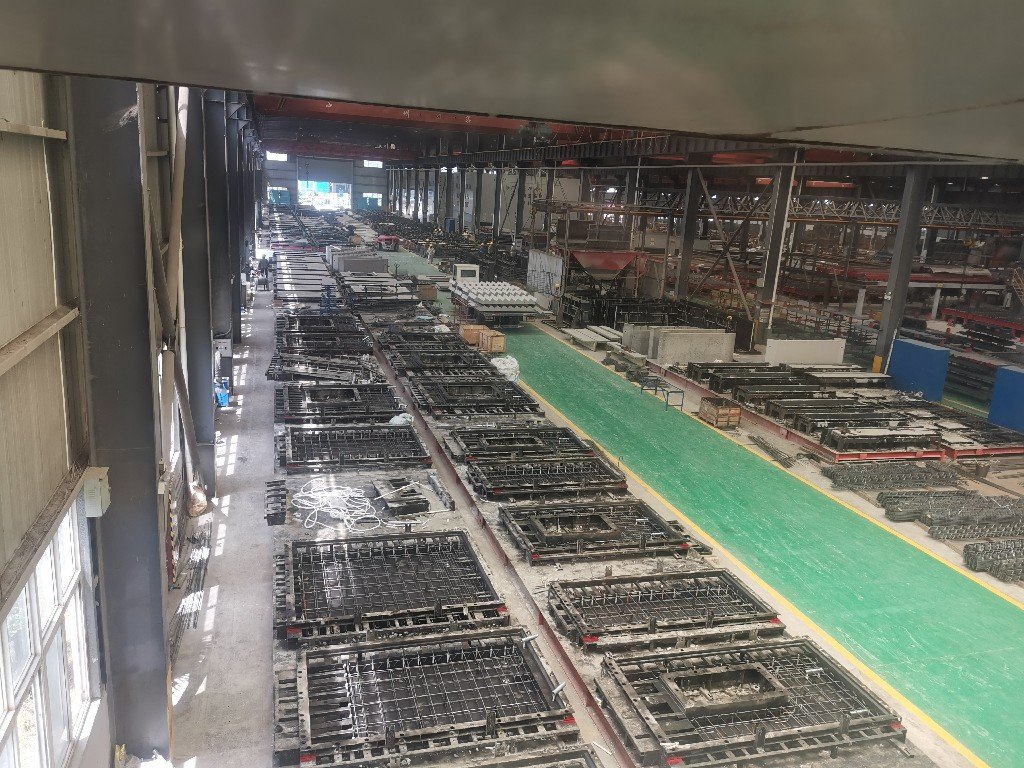
After the drawings are confirmed, the factory starts production.
For precast concrete prefab homes, factory production may include:
- Steel reinforcement preparation
- Mold preparation
- Precast column production
- Precast beam production
- Precast floor slab production
- Wall panel preparation
- Connector preparation
- Surface inspection
- Component numbering
- Packing preparation
Factory production helps improve quality control.
In traditional construction, many details depend on site workers, weather, and daily management. In prefab construction, more work is completed in a controlled production environment.
This helps improve:
- Component accuracy
- Material consistency
- Batch stability
- Production repeatability
- Surface quality
- Connection preparation
For developers, distributors, and bulk buyers, this is important because repeatable quality makes future projects easier to plan and scale.
Step 3: Prepare the Project Site
Before the prefab components arrive, the local site must be ready.
Site preparation usually includes:
- Land leveling
- Foundation construction
- Access road preparation
- Crane or lifting equipment arrangement
- Temporary storage area
- Worker arrangement
- Safety plan
- Installation tools
- Utility connection planning
- Drainage and waterproofing preparation if needed
Even though the house is prefabricated, the foundation is usually completed locally.
The foundation must match the building structure, local soil condition, and local engineering requirements. For overseas projects, buyers should ask a local engineer or contractor to review this part before installation.
A prefab system can save time, but only when the site is prepared properly.
Step 4: Deliver and Unload Components
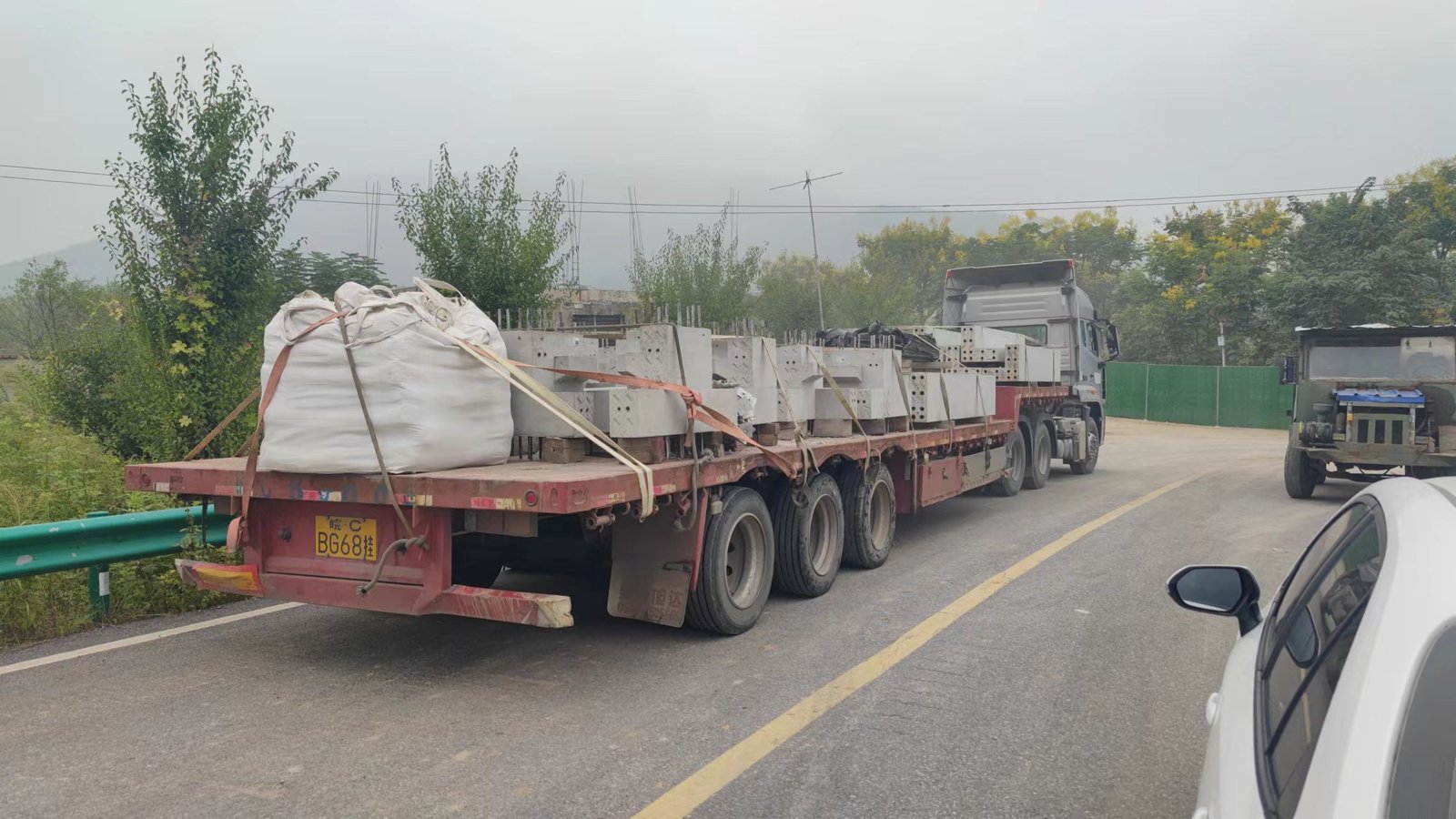
After factory inspection, the components are packed and shipped to the project site.
When the goods arrive, the local team should check:
- Packing list
- Component numbers
- Quantity
- Surface condition
- Connectors and accessories
- Lifting points
- Installation sequence
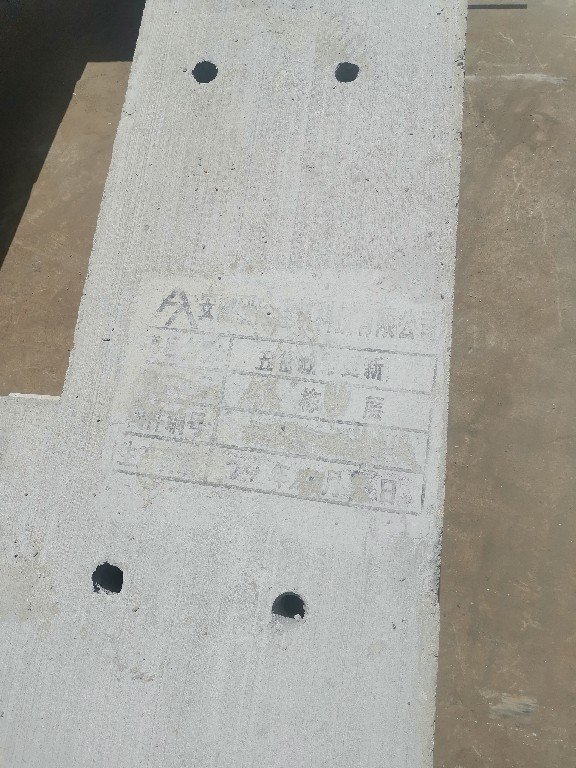
Good numbering is very important.
Each column, beam, slab, wall panel, and connector should match the installation drawings. This helps the local team find the right parts quickly and avoid mistakes during assembly.
For overseas buyers, clear packing and labeling can save a lot of labor time.
Step 5: Install Precast Columns
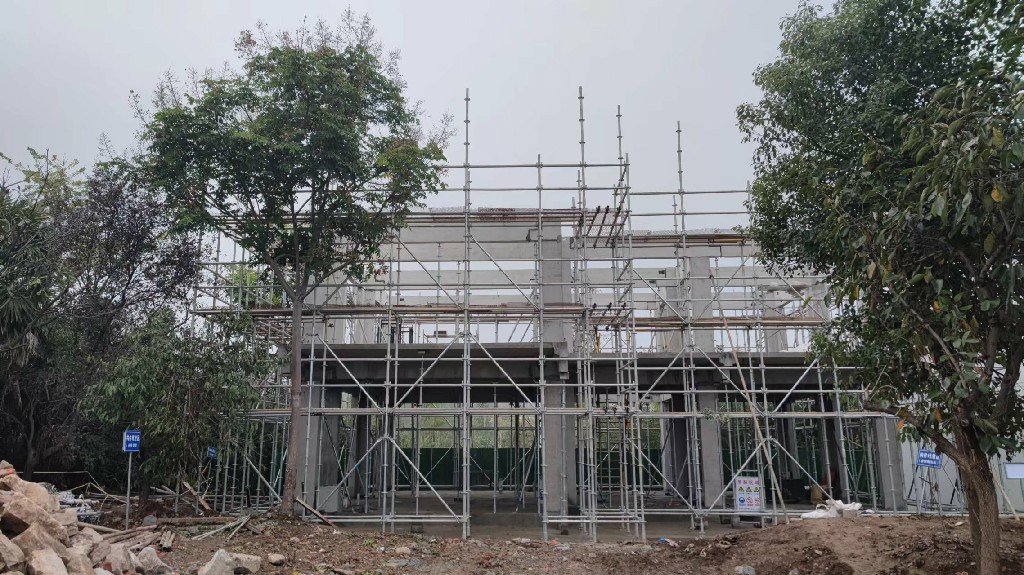
The main structure usually starts with the vertical components.
Precast columns are lifted into position and fixed according to the structural drawings.
The installation team should check:
- Column position
- Vertical alignment
- Connection position
- Temporary support
- Level accuracy
- Safety condition
This step builds the vertical support of the home.
In SY home’s system, concrete columns and beams form the main frame, while brackets and dry connectors help create a reliable reinforced concrete frame.
Step 6: Install Beams and Dry Connectors
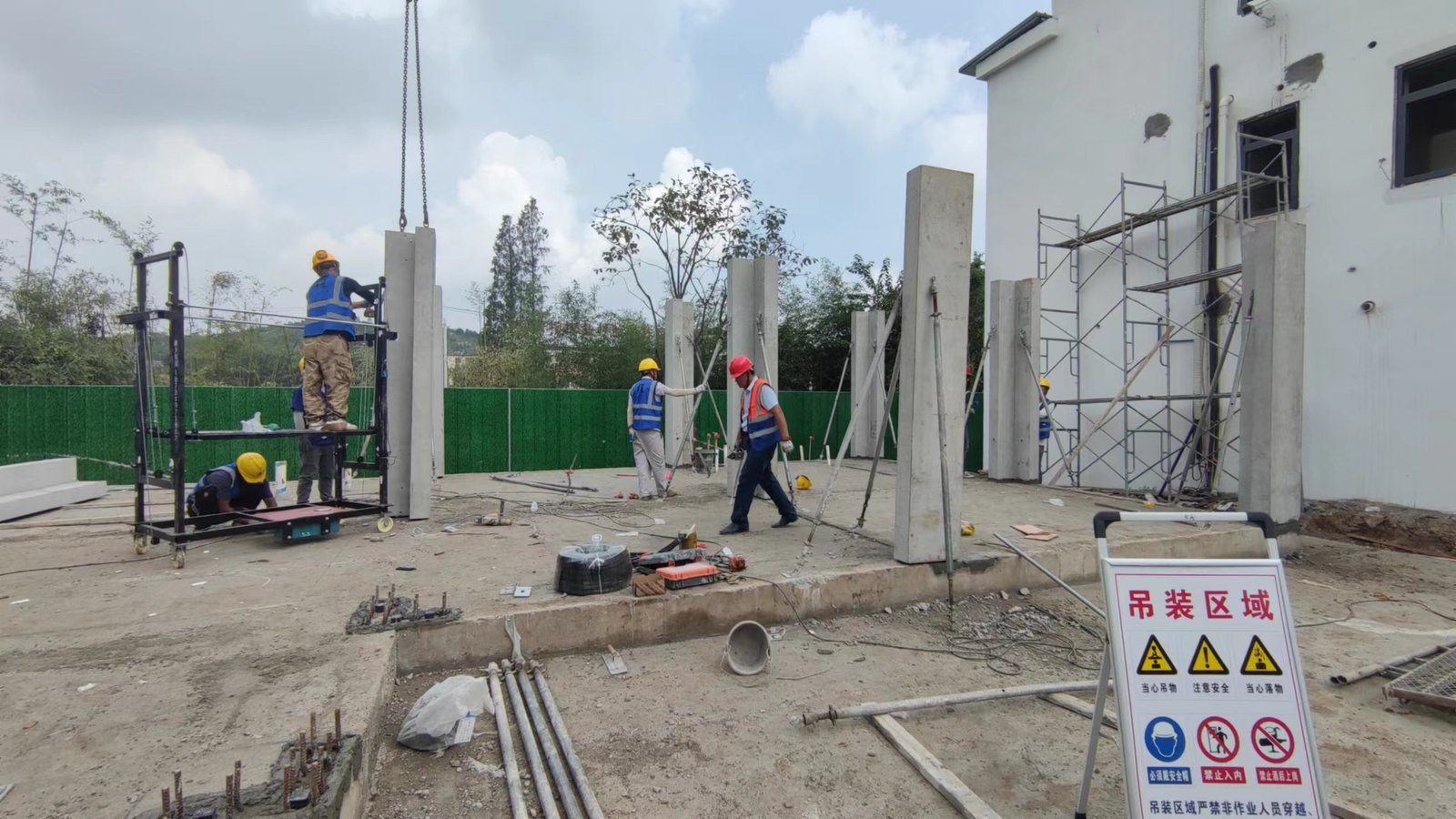
After the columns are placed, precast beams are installed.
The beams are lifted, aligned, and connected to the columns.
This is where dry-connection technology becomes very important.
In a dry-connection system, the structural components are connected mainly through mechanical connection methods instead of relying heavily on cast-in-place concrete at the jobsite.
This helps reduce:
- Wet work
- Waiting time
- Site labor pressure
- Weather impact
- Construction waste
- Quality uncertainty
SY home’s dry-connection technology is designed to cancel node cast-in-place work, which is one of the key differences from many traditional prefab concrete systems.
Step 7: Install Precast Floor Slabs
Once the main frame is ready, precast floor slabs can be installed.
The slabs are lifted into position and connected to the frame system.
The installation team should check:
- Slab direction
- Bearing position
- Joint position
- Levelness
- Connector position
- Opening position
- Safety support
Precast floor slabs help speed up construction because the floor system is already produced before arriving on site.
SY home’s system uses full precast concrete floors, which are designed for easier installation and flexible arrangement.
Step 8: Install Wall Panels
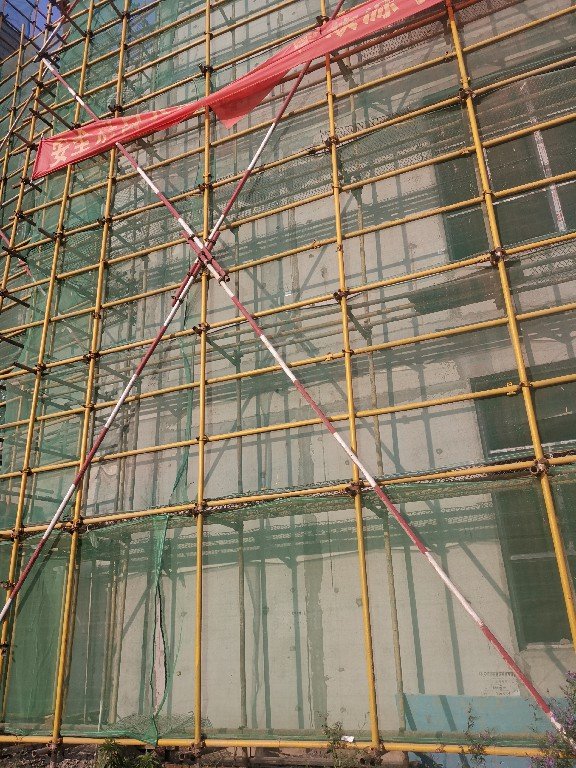
After the main frame and floor system are installed, the wall panels can be placed.
Wall systems may include:
- ALC wall panels
- Exterior wall panels
- Interior partition panels
- Insulated decorative panels
- Glass wall options
- Other project-specific wall materials
SY home’s frame structure allows different exterior wall choices, including block, ALC, floor glass, and other materials. This makes the system suitable for different building styles.
Wall panel installation affects:
- Building appearance
- Insulation performance
- Sound comfort
- Interior flatness
- Window and door openings
- Waterproofing details
The installation team should carefully check panel position, joints, openings, and sealing details.
Step 9: Install the Roof System

The roof system depends on the project design.
Common roof options may include:
- Light steel roof
- Sloped roof
- Flat roof
- Wood structure roof
- Roof insulation
- Roof waterproofing
- Solar roof option
SY home’s system can support different roof designs. The technical materials mention that flat roofs can use concrete, wood skeleton, steel skeleton, or even panoramic glass ceilings, while sloping roofs can use wood with different shapes for different architectural styles.
Roof installation is important for:
- Waterproofing
- Wind resistance
- Thermal comfort
- Exterior appearance
- Solar integration
- Long-term maintenance
For resort homes, villas, and rural housing projects, roof style also has a strong impact on the final look of the building.
Step 10: Install Windows, Doors, and Exterior Details
After the structure, wall panels, and roof are completed, the team can install windows, doors, and exterior details.
This step may include:
- Window frames
- Glass panels
- Exterior doors
- Balcony railings
- Waterproof sealing
- Exterior decorative panels
- Facade details
- Drainage parts
For project buyers, exterior detailing is not only about appearance.
It also affects water resistance, thermal performance, maintenance, and the customer’s first impression.
A good prefab home should not look like a temporary unit. It should feel like a complete, permanent building.
Step 11: Complete Dry Interior Finishing
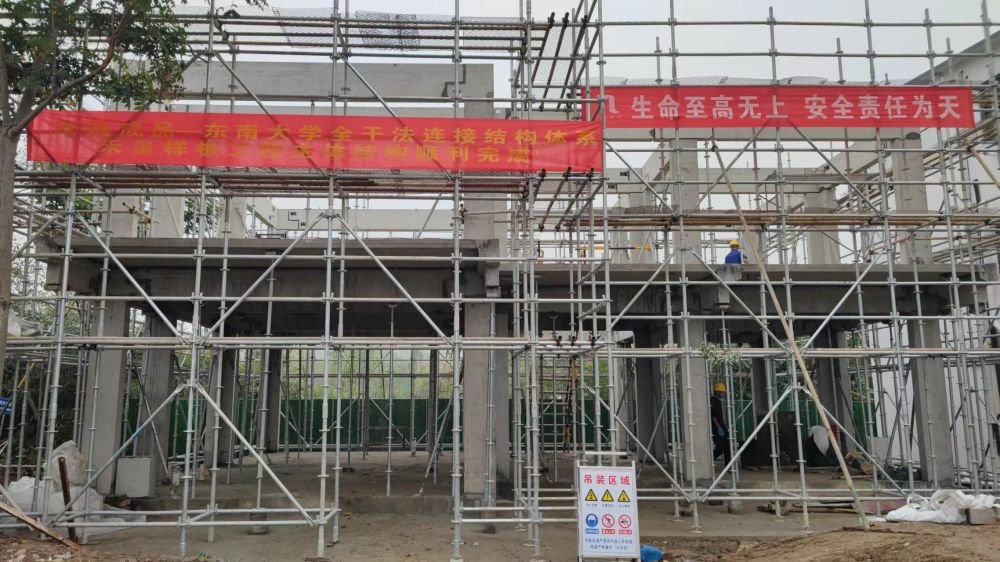
Interior finishing can also use dry construction methods.
Dry interior work may include:
- Dry floor system
- Wall finish panels
- Ceiling system
- Bathroom wall system
- Bathroom floor system
- Kitchen wall panels
- Interior doors
- Built-in finishing parts
The advantage is simple: less wet work, less waiting time, and easier site control.
For overseas buyers, dry interior finishing can reduce dependence on local wet-trade workers. It also helps the installation team follow a clearer process.
This is useful for projects such as:
- Resort villas
- Homestay buildings
- ADU projects
- Rural homes
- Workforce housing
- Real estate development
Step 12: Install Kitchen, Bathroom, Electrical, and Plumbing Systems

Depending on the project scope, the prefab home may include integrated kitchen and bathroom options.
This step may include:
- Bathroom wall panels
- Bathroom floor system
- Shower area
- Toilet and basin
- Kitchen cabinets
- Kitchen countertop
- Plumbing connection
- Electrical wiring
- Lighting
- Switches and sockets
- Ventilation system
Before production, buyers should confirm which parts are supplied by SY home and which parts will be sourced locally.
Electrical and plumbing standards vary by country. For overseas projects, local compliance should be checked early.
Step 13: Final Inspection and Adjustment
After installation, the project team should inspect the building carefully.
The inspection may include:
- Structural alignment
- Connection points
- Wall panel joints
- Roof waterproofing
- Window and door sealing
- Floor level
- Interior finish
- Bathroom waterproofing
- Electrical system
- Plumbing system
- Exterior appearance
- Safety details
Any adjustment should be handled before handover.
For developers, distributors, resort owners, and local building partners, this step is important because final quality affects the next sale, the next project, and the customer’s trust.
How Many Workers Are Needed?
The number of workers depends on:
- Building size
- Number of floors
- Site condition
- Crane availability
- Worker experience
- Installation method
- Interior finish scope
With a dry-connection prefab system, fewer workers may be needed for the main structure compared with traditional wet construction.
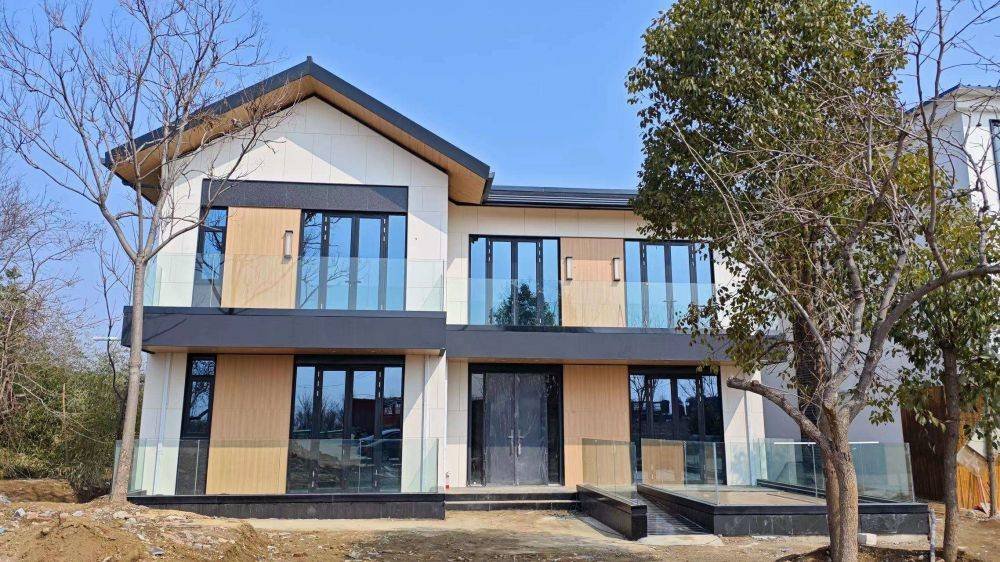
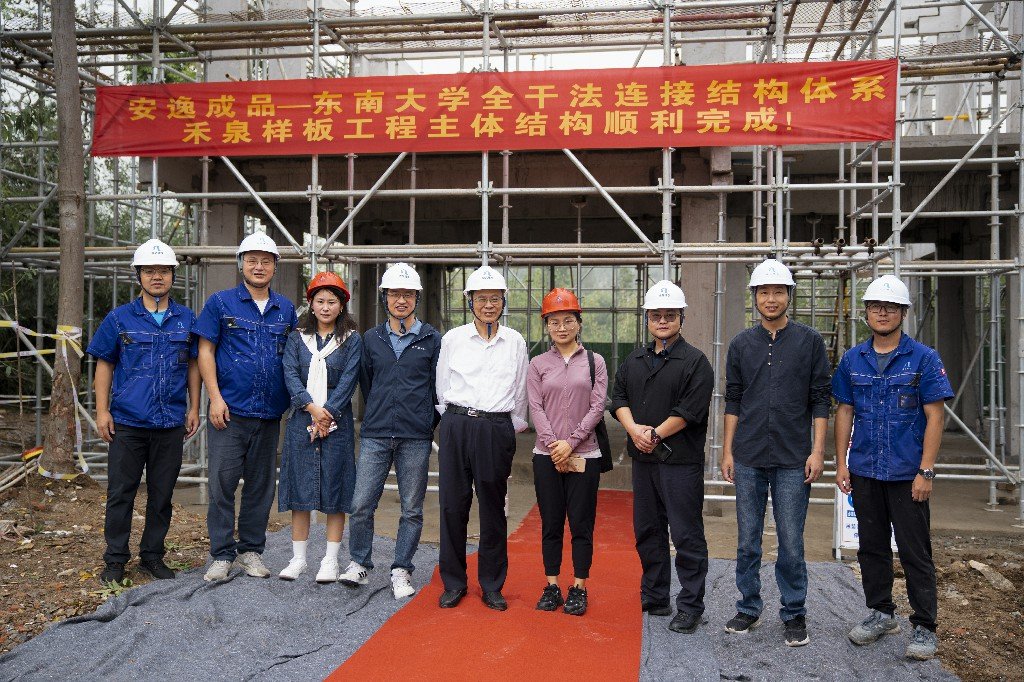
For example, in the He Quan Town Homestay Project, a 262-square-meter building used a standardized structural system, and the main structure was completed by a small installation team in a short time. The project materials record that 5 installers completed the main structure in 3 days, and the system was designed to change the traditional manual construction method.
This does not mean every project will use the same number of workers or the same timeline.
The actual labor plan still depends on:
- Building size
- Component weight
- Site access
- Crane arrangement
- Worker training
- Weather
- Interior finishing scope
Before the goods arrive, buyers should ask for installation drawings, component numbers, SOP documents, videos, or remote technical support. This helps the local team understand the assembly process before installation starts.
What Equipment Is Needed on Site?
The exact equipment depends on the project size and component weight.
Common equipment may include:
- Truck crane or mobile crane
- Lifting tools
- Leveling tools
- Hand tools
- Electric tools
- Temporary supports
- Safety equipment
- Storage racks
- Scaffolding if needed
Prefab concrete components are heavier than light steel parts, so lifting planning is important.
SY home’s technical materials note that the construction work surface can be small and the main equipment can be just one truck crane, depending on the project condition.
How Long Does Installation Take?
There is no fixed answer for every project.
Installation time depends on:
- Building area
- Number of floors
- Design complexity
- Weather
- Site preparation
- Crane availability
- Worker experience
- Interior finishing scope
However, precast concrete prefab homes are usually faster than traditional construction because many components are already produced in the factory.
Dry connection can further reduce waiting time because it avoids many heavy wet construction steps.
In the He Quan Town Homestay Project, the full dry-connection building system helped shorten the main structure construction period, and the project materials note that the main structure period was reduced by 60% compared with traditional cast-in-place construction.
For project planning, buyers should ask the supplier for a realistic timeline covering:
- Drawing confirmation
- Component production
- Packing
- Shipping
- Foundation preparation
- Unloading
- Main structure installation
- Wall and roof installation
- Interior finishing
- Final inspection
Why Dry Connection Helps Installation
Dry connection is one of the key reasons this system can be faster and easier to manage.
In traditional construction, many steps depend on wet work, curing time, formwork, and manual site labor.
With dry connection, more work is moved into the factory. The jobsite becomes more focused on positioning and assembly.
This helps buyers reduce:
- On-site concrete work
- Waiting time
- Construction waste
- Site water use
- Dust and noise
- Formwork work
- Labor uncertainty
- Weather-related delays
The project recommendation materials state that the full dry-connection system can reduce concrete casting, curing and washing water, formwork work, dust, noise pollution, and construction waste.
Common Installation Mistakes to Avoid
When installing precast concrete prefab homes, avoid these mistakes:
- Site foundation not ready before delivery
- No crane arranged in advance
- Poor unloading plan
- Components not checked against packing list
- Ignoring component numbers
- Installing without drawings
- Using untrained local workers
- Not checking connection points
- Poor waterproofing treatment
- Not confirming local electrical and plumbing requirements
- No final inspection before handover
Most installation problems come from poor preparation, not from the prefab system itself.
That is why the buyer and supplier should confirm drawings, packing, equipment, site conditions, and installation support before shipping.
What Should Buyers Ask Before Installation?
Before installation starts, ask your supplier:
- Do you provide installation drawings?
- Are all components numbered?
- Is there an installation sequence?
- What crane or equipment is needed?
- How many workers are recommended?
- Which parts require local work?
- How should the foundation be prepared?
- How are columns and beams connected?
- How are floor slabs installed?
- How are wall panels installed?
- How are roof details handled?
- How much wet work is still needed?
- Do you provide remote technical guidance?
- Can you provide installation videos or SOP?
- Can engineers support the site if needed?
These questions help reduce project risk.
Why SY home’s Installation System Is Different
SY home focuses on precast concrete prefab homes with patented dry-connection technology.
Our goal is to make prefab home installation more structured, repeatable, and project-friendly.
SY home supports project buyers with:
- Precast concrete frame system
- Factory-made components
- Patented dry-connection technology
- Component drawings
- Wall and roof system options
- Dry interior finishing options
- Integrated bathroom and kitchen support
- Optional solar roof and energy storage
- Packing and shipping support
- Installation guidance for overseas buyers
This system is suitable for buyers who need stronger prefab homes for villas, resorts, rural housing, ADU projects, workforce housing, and real estate development.
Conclusion
Precast concrete prefab homes are installed through a clear process.
The main steps include drawing confirmation, factory production, site preparation, component delivery, column installation, beam connection, floor slab installation, wall panel installation, roof installation, interior finishing, and final inspection.
Compared with traditional construction, this method moves more work into the factory and reduces heavy site work.
With SY home’s patented dry-connection technology, the installation process can become clearer, cleaner, faster, and easier to manage.
For developers, contractors, distributors, and overseas project buyers, this can help reduce construction risk and improve project delivery.
Plan Your Precast Concrete Prefab Home Installation with SY home
Send us your project location, building size, quantity, and target use. Our team will help you prepare a suitable prefab home solution, delivery plan, and installation support.