Skip to content
When buyers compare prefab homes, they often hear one technical term:
Dry connection.
It sounds simple, but it is an important part of modern prefab building technology.
For developers, contractors, distributors, resort owners, and overseas project buyers, dry connection can affect the building structure, installation speed, site work, labor cost, and long-term project control.
So, what does dry connection mean in prefab buildings?
And why does it matter when you buy prefab homes from China?
What Is Dry Connection?
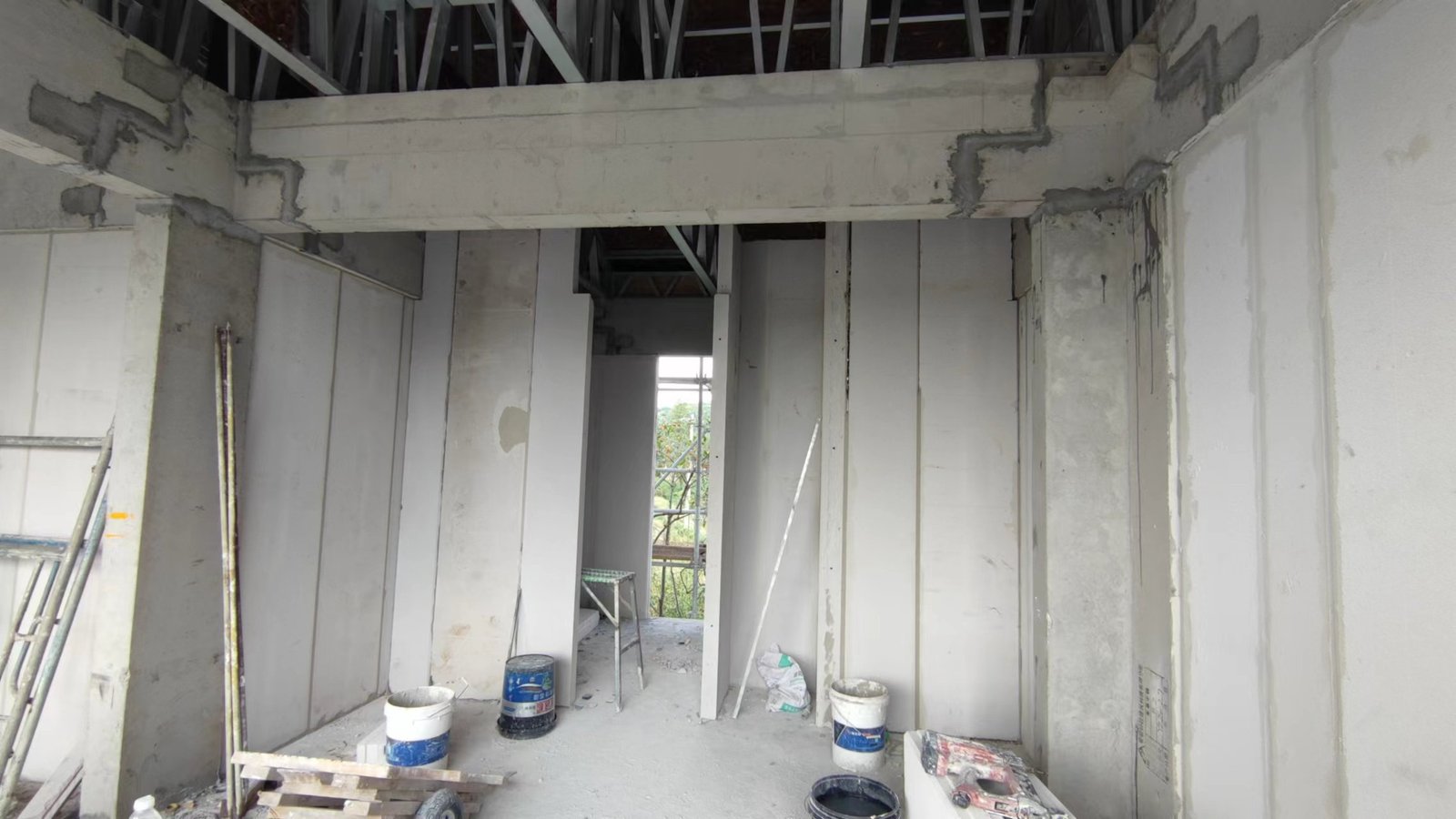
Dry connection means that factory-made building components are connected on site mainly by mechanical methods, such as connectors, bolts, embedded parts, brackets, or other engineered connection systems.
It reduces the need for heavy wet work on site.
In traditional construction, many structural parts need cast-in-place concrete, wet mortar, curing time, formwork, and more manual labor. In a dry-connection prefab system, more work is moved into the factory, and the jobsite becomes more focused on assembly.
In simple words:
Dry connection turns more construction work into factory-made component assembly.
For prefab buildings, this can make the project faster, cleaner, and easier to manage.
Why Dry Connection Matters in Prefab Buildings
Prefab buildings are not only about making parts in a factory.
The real challenge is how those parts are connected safely and efficiently on site.
If the connection method still depends heavily on wet concrete work, the project may still face many traditional construction problems:
- More site labor
- More waiting time
- More weather impact
- More construction waste
- More quality uncertainty
- More site management pressure
Dry connection helps reduce these problems.
It allows prefab components to be produced, transported, positioned, and connected with a clearer installation process.
For overseas projects, this is especially important because local workers may not be familiar with Chinese prefab systems. A clear dry-connection method can make installation easier to understand and easier to repeat.
Dry Connection vs Traditional Wet Construction
| Item | Traditional Wet Construction | Dry-Connection Prefab Building |
|---|---|---|
| Main work method | Built and cast mainly on site | Factory-made components assembled on site |
| Site concrete work | More cast-in-place concrete | Much less wet work |
| Waiting time | Needs curing and process waiting | Faster assembly process |
| Labor dependence | Depends heavily on skilled site workers | More standardized installation |
| Quality control | More affected by site conditions | More controlled through factory production |
| Site cleanliness | More dust, waste, noise, and wet work | Cleaner and easier to manage |
| Weather impact | Higher | Lower |
| Project repeatability | Harder to repeat exactly | Easier to standardize and repeat |
| Best for | Traditional local construction | Prefab villas, resorts, ADU, rural housing, and project delivery |
SY home’s Patented Dry-Connection Technology
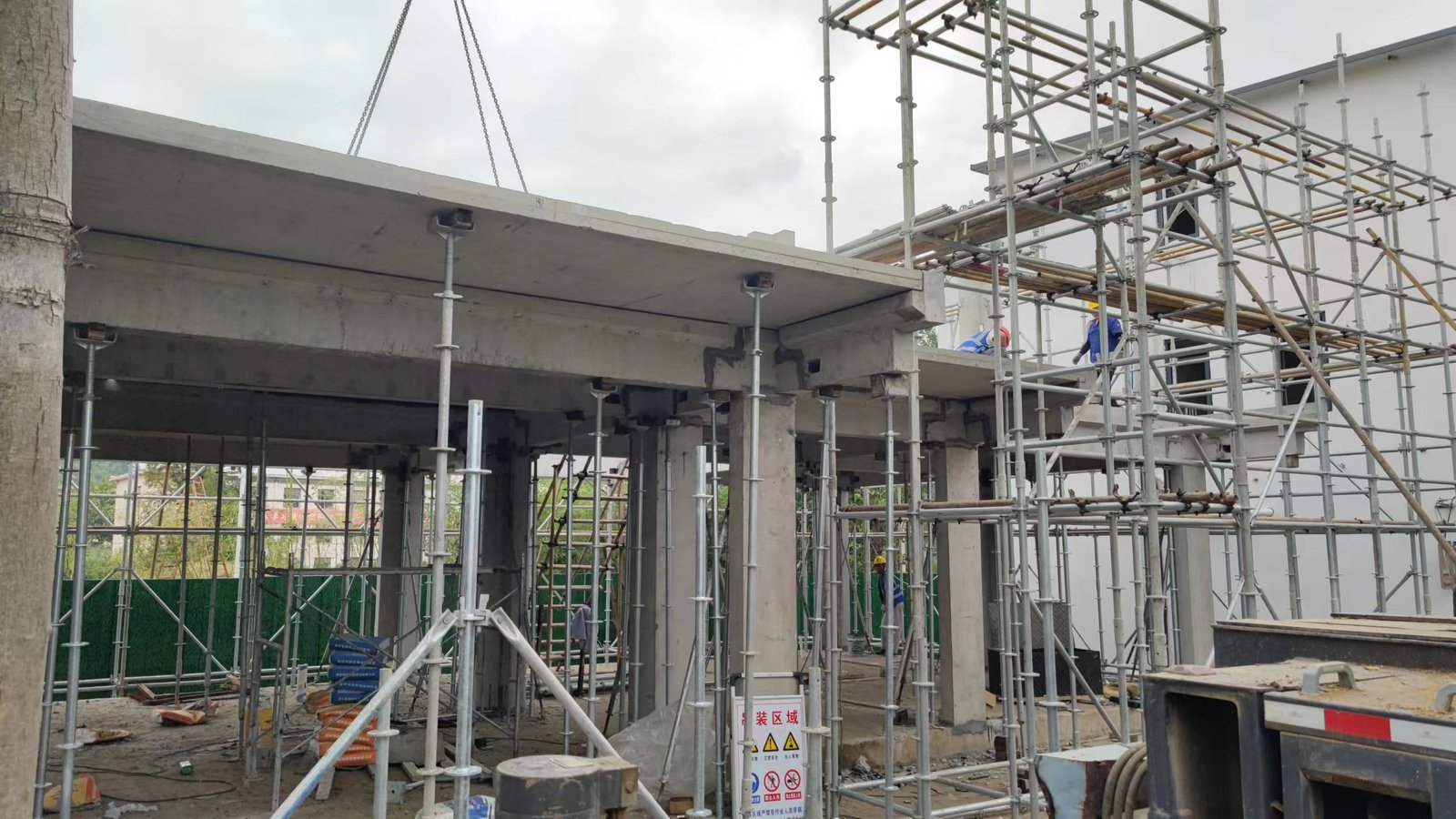
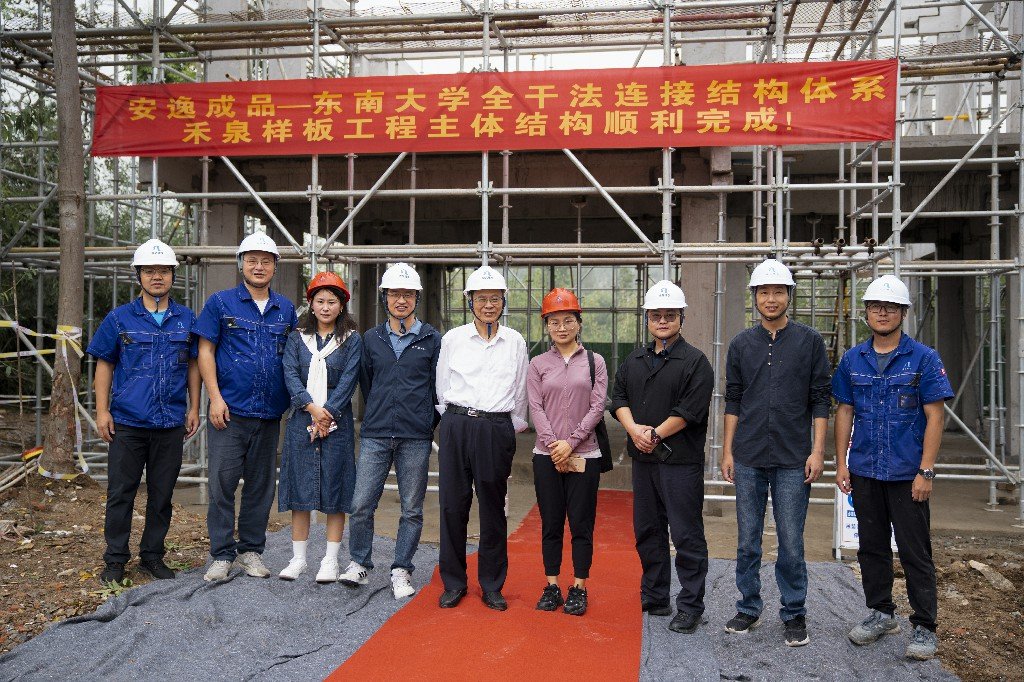
SY home uses a patented dry-connection precast concrete building system.
This is not the same as a simple light steel frame or container house.
The system is based on a precast reinforced concrete frame. Key components are produced in the factory and connected on site through engineered dry-connection methods.
SY home’s technical materials describe dry connection as a way to cancel node cast-in-place work. The same system also focuses on mixed structure, standard component production, finished product delivery, and controllable cost.
This means the system is not only about one connector.
It is a full building method that combines:
- Precast concrete frame
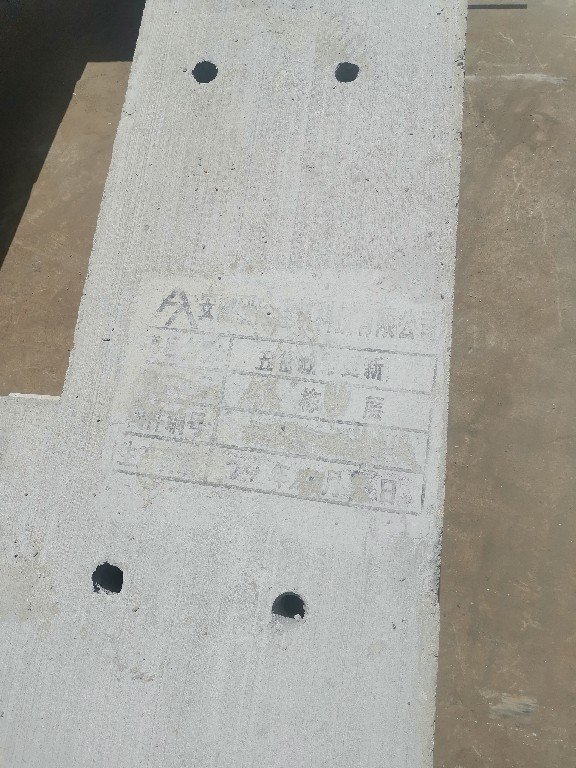
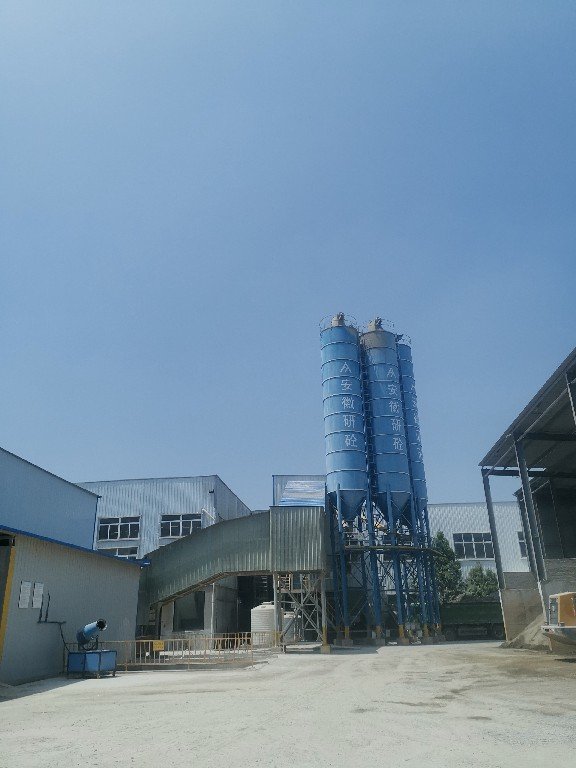
- Factory-made components
- Dry mechanical connection
- Standardized production
- On-site assembly
- Project delivery control
How Does Dry Connection Work in a Prefab Concrete Home?
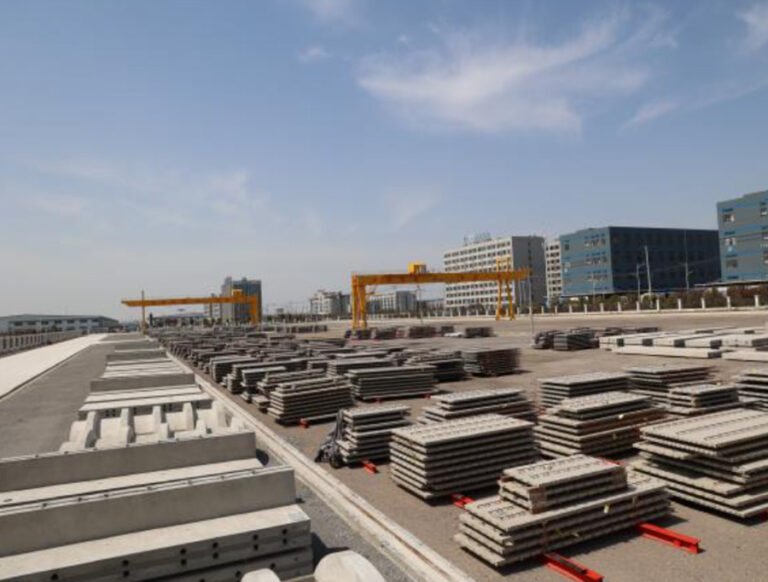
In a precast concrete prefab home, different building parts are produced before they arrive at the jobsite.
These parts may include:
- Precast concrete columns
- Precast concrete beams
- Precast floor slabs
- Wall panels
- Roof components
- Stair components
- Connection parts
- Interior dry-finish components
After transportation to the site, the installation team follows drawings and assembly steps.
The parts are lifted, positioned, aligned, and connected through the designed connection system.
SY home’s system uses concrete columns and beams to form a frame, while brackets and dry connectors help create a reliable reinforced concrete frame. Full precast concrete floors are also used for easier installation and flexible arrangement.
Main Advantages of Dry Connection
1. Faster On-Site Installation
Dry connection reduces the need for traditional wet construction steps.
This helps shorten the construction process because workers do not need to wait for large amounts of on-site concrete casting and curing.
For project buyers, this can help speed up:
- Resort opening schedules
- Villa project delivery
- Rural housing construction
- ADU project installation
- Workforce housing setup
2. Cleaner Construction Site
Traditional construction often creates dust, water use, formwork waste, mortar waste, and construction noise.
Dry connection helps keep the site cleaner because more work is completed in the factory.
This is useful for resorts, villages, residential areas, and projects where site appearance and construction disturbance matter.
The project recommendation materials note that this building method can reduce on-site concrete casting, curing and washing water, formwork work, dust, noise pollution, and construction waste.
3. Better Quality Control
When more components are produced in the factory, quality becomes easier to control.
Factory production helps improve:
- Component size accuracy
- Material consistency
- Production repeatability
- Surface quality
- Connection preparation
- Batch control
Traditional construction quality depends heavily on site workers and site conditions. Dry-connection prefab buildings reduce this uncertainty by moving more work into controlled production.
4. Less Dependence on Local Skilled Labor
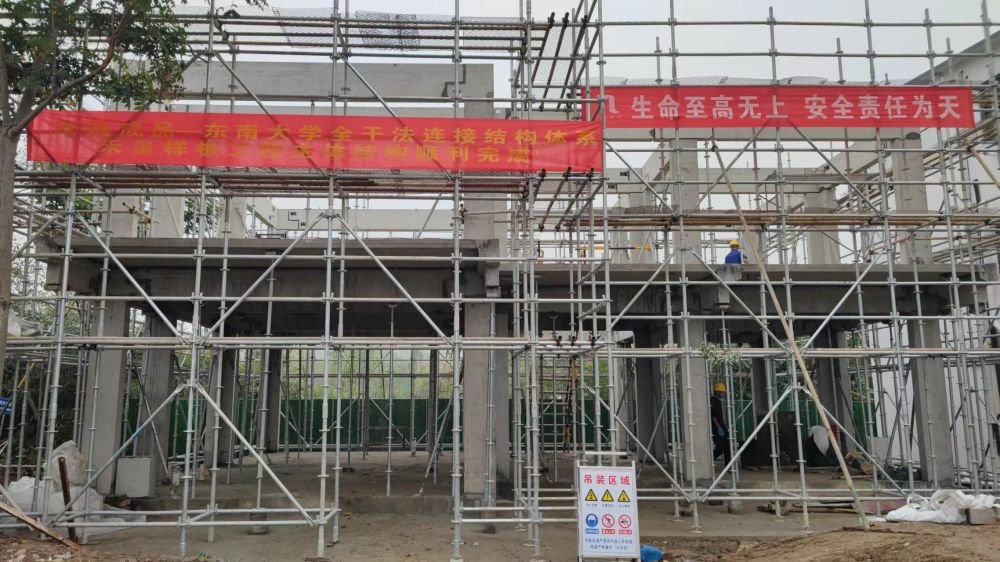
In many overseas projects, skilled construction labor may be expensive or difficult to find.
Dry connection helps reduce the need for large teams of traditional wet-trade workers.
Instead, the project needs a trained installation team that can follow drawings, component numbers, and assembly steps.
This is helpful for:
- Importers
- Local builders
- Project contractors
- Regional distributors
- Developers working in remote sites
5. Easier Project Management
Dry connection makes the installation process more like system assembly.
This helps project managers control:
- Installation sequence
- Worker arrangement
- Equipment schedule
- Site storage
- Quality inspection
- Project timeline
For B2B buyers, easier management can reduce hidden costs and project risk.
6. Better for Repeat Orders
For distributors and developers, one project is not enough.
You need a building system that can be repeated.
Dry connection works well with standardized components. Once the system is tested and understood, future projects can become easier to plan, quote, ship, and install.
This is valuable for buyers who want to develop villa communities, resort cabins, ADU product lines, or rural housing projects.
What Problems Does Dry Connection Help Solve?
Dry connection is useful because it solves several common prefab building problems.
| Common Problem | How Dry Connection Helps |
|---|---|
| Too much site work | Moves more work into factory production |
| Slow construction | Reduces wet work and waiting time |
| Difficult quality control | Makes key components easier to inspect before shipping |
| High labor uncertainty | Uses a clearer assembly process |
| Site pollution | Reduces dust, waste, noise, and water use |
| Hard to repeat projects | Supports standard components and repeatable installation |
| Overseas installation risk | Makes assembly easier to explain with drawings and SOP |
Is Dry Connection Only for Temporary Buildings?
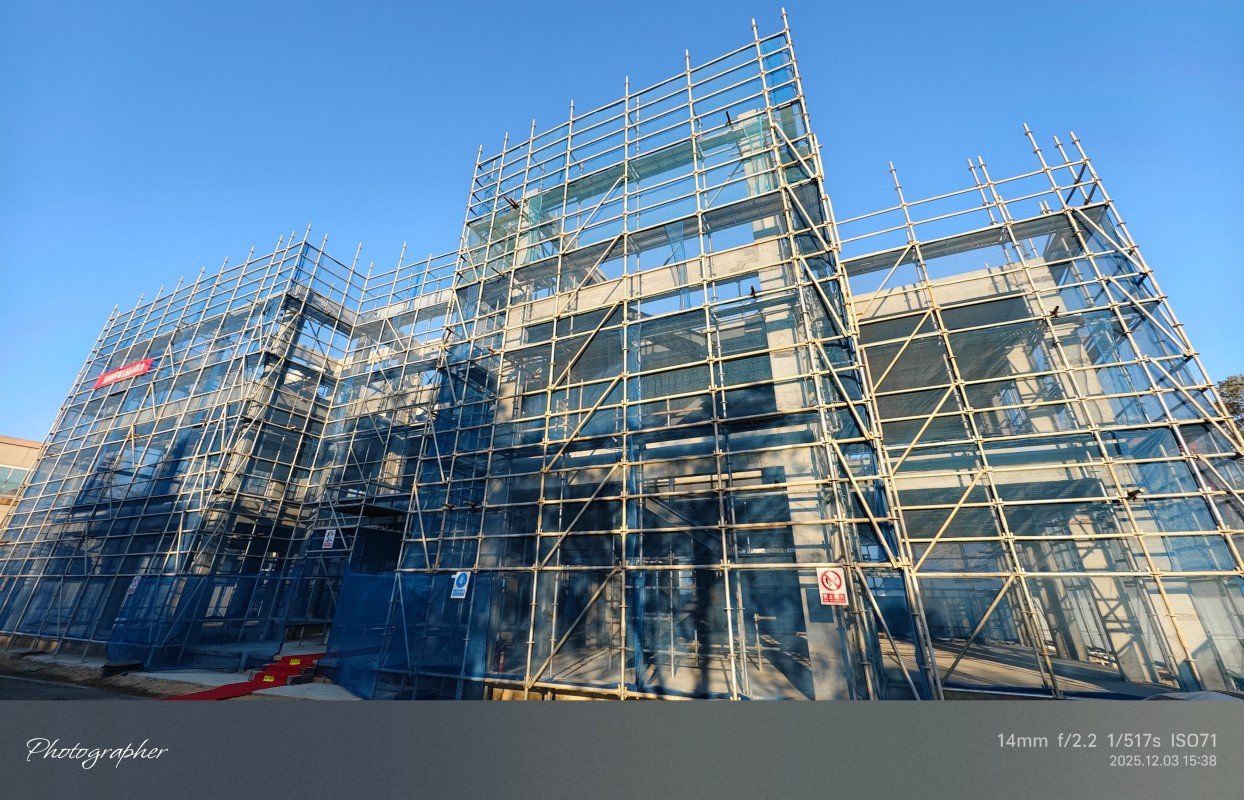
No.
Dry connection is not only for temporary buildings.
In SY home’s system, dry connection is used with a precast reinforced concrete frame. This means the system is designed for stronger and more permanent building applications, not only temporary units.
It can be used for:
- Prefab villas
- Resort homes
- Rural housing
- ADU projects
- Homestay projects
- Workforce housing
- Real estate development
- Overseas prefab construction
For buyers who want a more solid building than container houses or light-duty prefab units, a dry-connection precast concrete system can be a practical option.
Dry Connection and Building Design Flexibility
Some buyers worry that prefab buildings all look the same.
But dry connection does not mean limited design.
A well-designed frame system can support different layouts, wall materials, window positions, roof styles, and exterior finishes.
SY home’s technical materials mention that exterior walls can use options such as block, ALC, floor glass, and other materials, making the system suitable for different building styles.
This is useful for projects that need different appearances, such as:
- Modern resort homes
- Countryside villas
- New Chinese-style homes
- Simple European-style homes
- ADU units
- Tourism village buildings
Dry Connection and Shipping
For overseas prefab home projects, shipping is a major concern.
A good dry-connection system should consider transportation from the beginning.
The component size, weight, numbering, packing, and installation sequence should be planned before production.
According to project materials, the full dry-connection building system considered 40-foot container sea and rail transport at the design stage, with standard parts designed for container transport and on-site SOP assembly.
This is important for global buyers because shipping and installation are part of the total project cost.
What Should Buyers Ask About Dry Connection?
Before buying prefab homes from China, ask the supplier these questions:
- Is your system dry connection or wet connection?
- Which parts use dry connection?
- How are columns and beams connected?
- How are floor slabs connected?
- What connectors or embedded parts are used?
- Can you provide structural drawings?
- Can you provide installation drawings?
- Are the components numbered before shipping?
- Do you provide installation SOP or videos?
- What equipment is needed on site?
- How much wet work is still required?
- Can local workers install it after training?
- Do you have real project cases using this system?
These questions help you understand whether the supplier has real structural technology or only marketing words.
Dry Connection Is Not Just a Feature
For project buyers, dry connection should not be seen as only one technical feature.
It affects the whole project:
- Design
- Production
- Packing
- Shipping
- Installation
- Quality control
- Labor planning
- Project timeline
- Long-term repeatability
A supplier with strong dry-connection technology can help you reduce risk from the early design stage to the final installation stage.
Why Choose SY home Dry-Connection Prefab Homes?
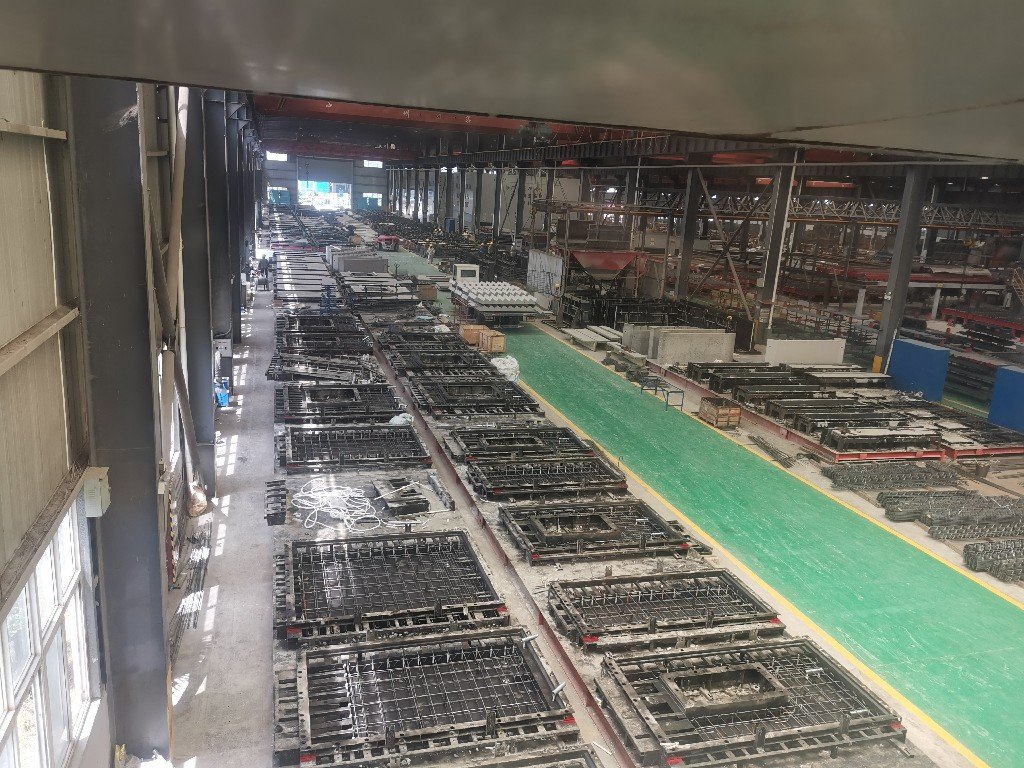
SY home is a manufacturer of precast concrete prefab homes in China.
We focus on patented dry-connection technology for stronger and more practical prefab building solutions.
Our system is suitable for buyers who need:
- A stronger prefab building structure
- Faster project installation
- Less wet work on site
- Cleaner construction process
- Factory-made component quality
- Flexible building design
- Export-ready project support
- Installation guidance for overseas teams
- Better long-term value than temporary prefab units
SY home supports global projects such as villas, resorts, rural housing, ADU projects, workforce housing, and real estate development.
Conclusion
Dry connection is an important technology in prefab buildings.
It means factory-made components are connected on site with mechanical methods instead of relying heavily on wet construction.
For buyers, dry connection can help improve installation speed, reduce site work, improve quality control, and make overseas project delivery easier.
SY home’s patented dry-connection precast concrete system combines a solid reinforced concrete frame with factory production and on-site assembly.
For developers, contractors, distributors, and project owners, it offers a stronger and more practical way to build prefab homes.
Ask SY home About Dry-Connection Prefab Homes
Send us your project location, building size, quantity, and target use. Our team will help you evaluate whether SY home’s dry-connection precast concrete system is suitable for your project.