Skip to content
When buyers look for prefab homes from China, they often compare two common options:
Prefab concrete homes and light steel homes.
Both systems can be used for residential, resort, rural housing, ADU, and commercial accommodation projects. But they are not the same.
The best choice depends on your project type, budget, local climate, installation team, target market, and long-term use.
This article will help you understand the key differences before choosing a prefab home supplier.
1. What Are Prefab Concrete Homes?
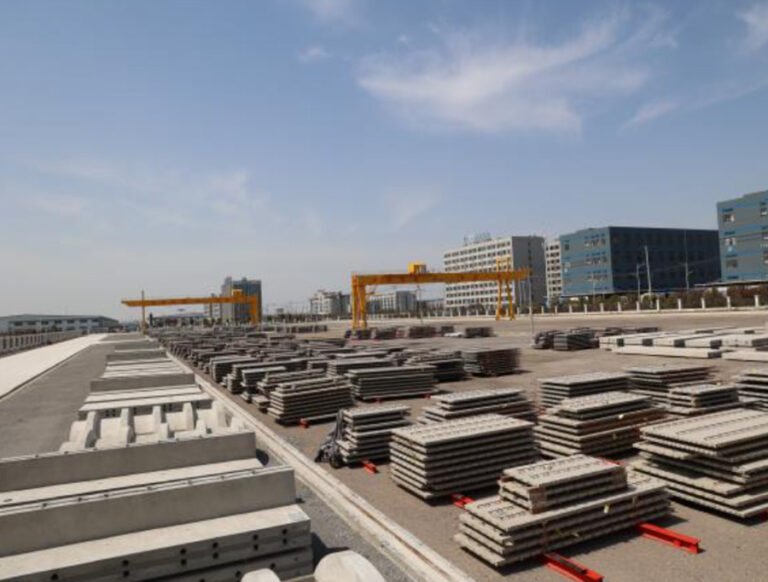
Prefab concrete homes use factory-made concrete components as the main building structure.
These components may include:
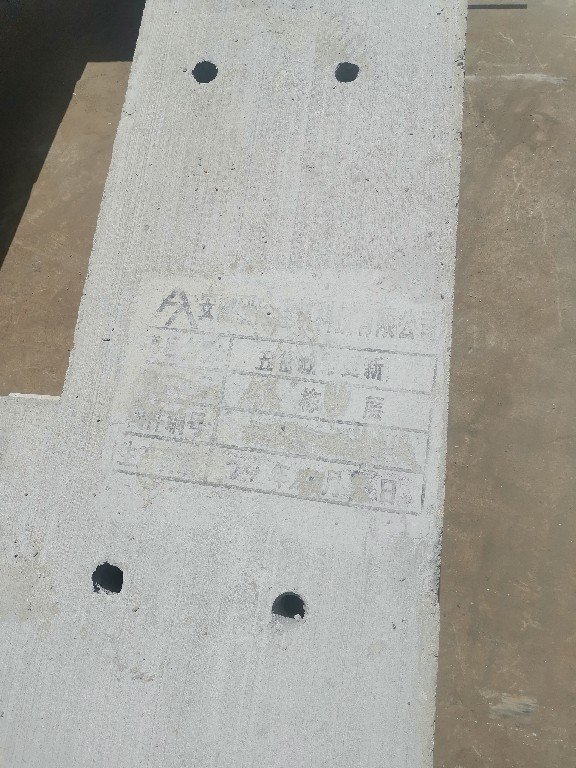
- Precast concrete columns
- Precast concrete beams
- Precast floor slabs
- Wall panels
- Roof system
- Stairs or balcony panels
- Dry connection parts
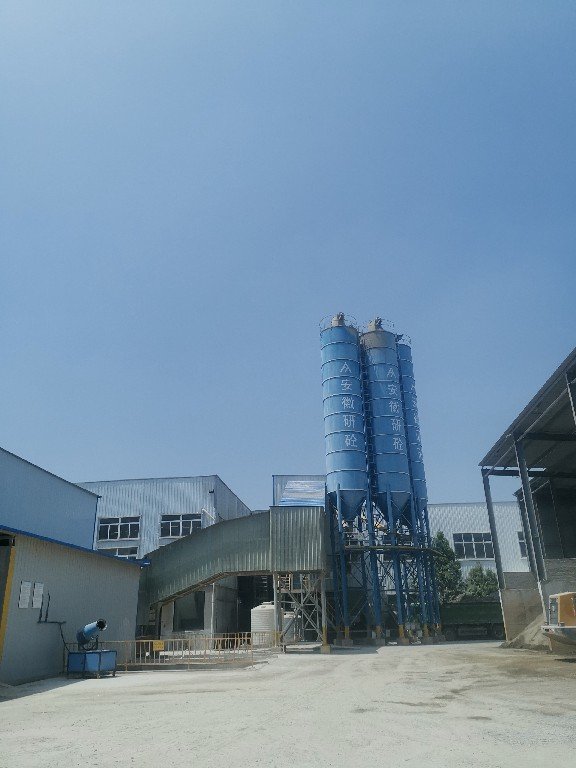
The main structure is produced in the factory and assembled on site.
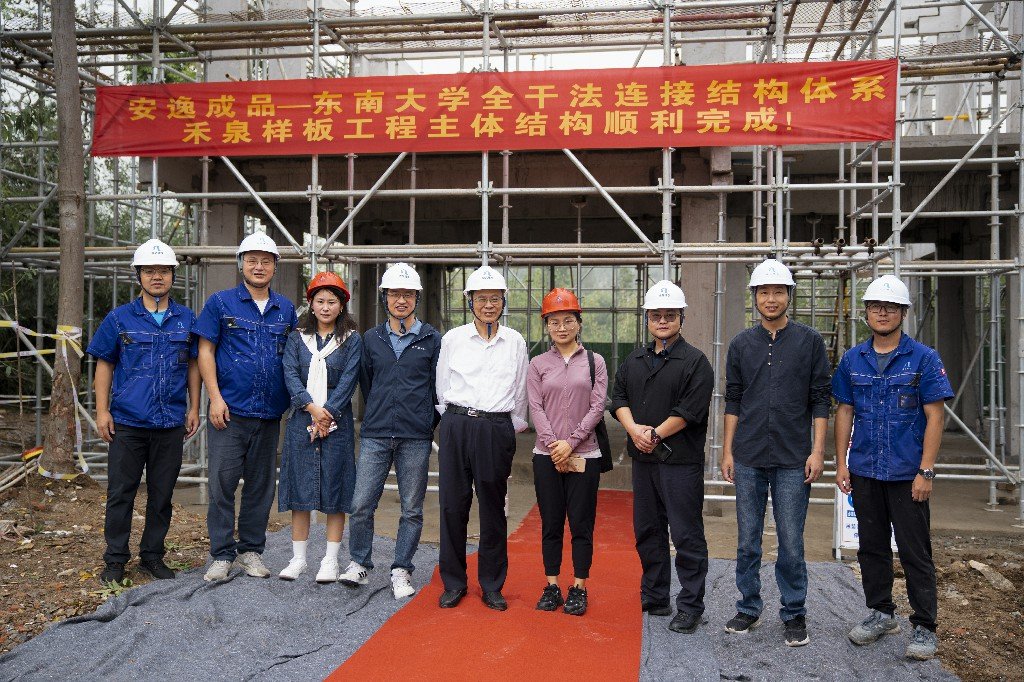
SY home focuses on precast concrete prefab homes with patented dry-connection technology. This means key building components are made in the factory and connected on site with mechanical dry-connection methods.
The goal is to create a building system that is strong, stable, faster to install, and easier to control during project delivery.
2. What Are Light Steel Homes?
Light steel homes use light gauge steel frames as the main structure.
The steel frame is usually made from cold-formed steel sections. Wall panels, insulation, boards, roofing, and interior finishing are then added to complete the house.
Light steel homes are popular because they are:
- Lightweight
- Fast to produce
- Easier to transport
- Flexible in design
- Often lower in initial material cost
They can be suitable for temporary housing, small residential projects, cabins, camps, and some low-rise buildings.
But for long-term villas, resort homes, and higher-value residential projects, buyers usually need to check the structure, wall system, insulation, corrosion protection, acoustic performance, and local acceptance carefully.
3. Quick Comparison Table
| Item | Prefab Concrete Homes | Light Steel Homes |
|---|---|---|
| Main structure | Precast reinforced concrete frame | Light gauge steel frame |
| Building feeling | More solid and permanent | Lighter structure |
| Durability | Strong for long-term residential use | Depends on steel quality, coating, and maintenance |
| Fire resistance | Concrete structure has natural fire-resistant advantages | Steel needs proper fire protection system |
| Sound insulation | Usually better due to heavier structure | Needs extra insulation layers |
| Thermal comfort | Depends on wall and insulation system | Depends heavily on insulation design |
| Installation speed | Fast with dry connection and prepared components | Usually fast due to lightweight frame |
| Site equipment | May need crane or lifting equipment | Smaller equipment may be enough |
| Shipping | Heavier components, needs good planning | Lighter and often easier to load |
| Design flexibility | Good with frame structure and wall options | Good for many layouts and styles |
| Best for | Villas, resorts, rural homes, ADU, long-term projects | Cabins, temporary housing, light residential projects, budget-sensitive projects |
| Buyer concern | Weight, shipping, lifting, foundation | Corrosion, fireproofing, sound insulation, long-term durability |
4. Strength and Structural Stability
The first difference is the structure.
Prefab concrete homes use a heavier and stronger structural system. The reinforced concrete frame gives the building a solid base and a more permanent feeling.
This is important for:
- Villas
- Resort homes
- Rural housing
- Long-term rental homes
- Real estate development
- Areas where buyers expect a stronger building
Light steel homes are lighter. This can be an advantage for shipping and fast installation, but the final building quality depends heavily on the steel frame design, steel thickness, corrosion protection, wall system, and installation quality.
For project buyers, the question is not only “Which one is cheaper?”
The better question is:
Which structure is more suitable for my project’s long-term use and customer expectation?
5. Installation and Site Work
Both prefab concrete homes and light steel homes can be faster than traditional construction.
But the installation method is different.
Light steel homes are usually easier to lift and handle because the steel frame is lightweight. This can reduce equipment requirements on some sites.
Prefab concrete homes are heavier, so lifting equipment and better site planning are needed. However, with a dry-connection system, many heavy wet construction steps can be reduced.
SY home’s patented dry-connection precast system is designed to make installation clearer and more controlled. Factory-made components are connected on site, reducing heavy wet work, waiting time, and site uncertainty.
Site Work Comparison
| Site Work Item | Prefab Concrete Homes | Light Steel Homes |
|---|---|---|
| Foundation | Needs proper foundation for heavier structure | Usually lighter foundation load |
| Lifting | Crane or lifting equipment often needed | Easier manual or small-machine handling |
| Wet work | Can be reduced with dry connection | Usually less wet work |
| Installation control | Strong if components are well numbered and planned | Strong if frame and panels are well prepared |
| Site cleanliness | Cleaner than traditional construction with dry system | Generally clean and fast |
| Local labor skill | Needs correct assembly guidance | Needs correct frame and panel installation |
6. Durability and Long-Term Use
Durability is one of the biggest reasons buyers choose prefab concrete homes.
Concrete is widely accepted as a permanent building material. It gives many buyers more confidence, especially in long-term residential and commercial projects.
Prefab concrete homes are often better suited for:
- High-value resort homes
- Permanent villas
- Rural housing upgrades
- Long-term accommodation
- Projects where buyers want a stronger building image
Light steel homes can also last for many years if designed and built properly. But buyers should check:
- Steel thickness
- Galvanization level
- Anti-corrosion treatment
- Local humidity and salt-air conditions
- Fireproofing design
- Maintenance requirements
- Wall and roof sealing details
For coastal areas, humid regions, or markets where customers prefer “solid houses,” prefab concrete may be easier to position as a higher-value product.
7. Fire Resistance
Fire safety is very important for residential and resort projects.
Concrete is non-combustible, so prefab concrete homes have a natural advantage in fire resistance.
Light steel itself does not burn, but steel loses strength under high heat. So light steel homes need a proper fire protection system, such as fire-rated boards, insulation layers, and correct wall assemblies.
When choosing a supplier, ask:
- What is the fire rating of the wall system?
- What boards are used inside?
- What insulation material is used?
- Are test reports available?
- Does the system meet local requirements?
For hotels, resorts, and public accommodation projects, fire performance should be checked carefully.
8. Sound Insulation and Living Comfort
Living comfort is not only about appearance.
It also includes:
- Sound insulation
- Thermal comfort
- Wall feeling
- Floor vibration
- Moisture control
- Indoor stability
Prefab concrete homes usually feel more solid because of their heavier structure. This can help improve acoustic performance and reduce the “light” feeling some buyers associate with thin-wall buildings.
Light steel homes can also perform well, but they need good insulation design, wall layers, and careful installation.
For resort buyers, this point matters a lot.
Guests may not know the technical details, but they can feel the difference when they stay inside the house.
9. Design Flexibility
Both systems can support different designs.
Light steel homes are flexible because steel members can be cut and assembled into different shapes.
Prefab concrete homes can also be flexible when the structural system is designed well. SY home’s system uses a frame structure, which helps support different layouts, wall materials, exterior styles, doors, windows, and roof designs.
This is useful for:
- Resort projects
- Villa communities
- Tourism villages
- ADU projects
- Custom residential buildings
The key is to balance two things:
Standardized components + flexible design.
Standardization helps control cost and production time. Flexible design helps your project match local market needs.
10. Cost Comparison
Many buyers think light steel homes are always cheaper.
In many cases, the initial material cost may be lower. But the total project cost depends on many factors.
You should compare:
- Main structure
- Wall system
- Roof system
- Insulation
- Windows and doors
- Interior finishing
- Bathroom and kitchen
- Fireproofing
- Acoustic treatment
- Local labor
- Installation equipment
- Shipping cost
- Maintenance cost
- Long-term market value
Cost Comparison
| Cost Item | Prefab Concrete Homes | Light Steel Homes |
|---|---|---|
| Initial structure cost | Usually higher | Usually lower |
| Shipping cost | Higher due to weight | Lower due to lightweight materials |
| Installation equipment | May need crane | Usually easier to handle |
| Fire/acoustic upgrades | Often less pressure from main structure | May need more wall-layer upgrades |
| Long-term value | Stronger permanent-home image | Depends on market acceptance |
| Maintenance | Usually lower for structure | Depends on corrosion protection and exterior details |
The cheapest option is not always the best option.
For project buyers, the better choice is the system that can reduce risk and create long-term value.
11. Shipping and Export
For overseas buyers, shipping is a real factor.
Light steel homes are lighter and often easier to pack into containers. This can reduce freight pressure.
Prefab concrete homes are heavier, so packing design and container loading plans are more important. The supplier must plan component size, weight, protection, numbering, and loading carefully.
Before buying, ask:
- How many containers are needed?
- How are components packed?
- Are components numbered?
- What lifting equipment is needed after arrival?
- Is there a loading plan?
- Is there an installation sequence?
A professional prefab concrete home supplier should not only sell the house. They should also plan how the building will be shipped, unloaded, and assembled.
12. Which One Is Better for Your Project?
There is no single answer for every buyer.
Choose prefab concrete homes if your project needs:
- Stronger and more permanent structure
- Better long-term building image
- Villas or resort homes
- Rural housing upgrades
- Higher-value residential projects
- Better sound and solid living feeling
- A building system closer to traditional permanent homes
- Long-term project development
Choose light steel homes if your project needs:
- Lower initial cost
- Lightweight shipping
- Fast basic installation
- Temporary or semi-permanent use
- Camps, cabins, or budget housing
- Simple layouts
- Easier lifting on limited sites
For developers, contractors, and resort owners, prefab concrete homes may be better when the project needs stronger trust, better durability, and a higher-end building image.
For temporary housing or very cost-sensitive projects, light steel homes may be more suitable.
13. Questions to Ask Before Choosing
Before choosing between prefab concrete homes and light steel homes, ask your supplier:
- What is the main structure?
- What is the expected service life?
- What fireproofing system is used?
- What insulation system is used?
- How is sound insulation handled?
- What maintenance is required?
- What local equipment is needed for installation?
- What is included in the quotation?
- How many containers are needed?
- Can you show real project cases?
- Can you provide drawings and installation guidance?
- Can the system meet local project requirements?
These questions will help you compare the total solution, not just the price.
14. Why SY home Focuses on Prefab Concrete Homes
SY home focuses on precast concrete prefab homes because many project buyers need more than a lightweight building.
They need a building system that is:
- Strong
- Stable
- Durable
- Project-ready
- Suitable for long-term use
- Easier to control in quality
- Flexible for villas, resorts, and rural housing
Our patented dry-connection precast concrete system combines factory production with on-site assembly.
This helps buyers reduce heavy wet work, improve installation control, and build prefab homes with a more solid and permanent structure.
SY home supports global buyers with:
- Precast concrete frame system
- Patented dry-connection technology
- Factory-made components
- Flexible exterior design
- ALC wall panel options
- Light steel roof system
- Dry floor and interior finish options
- Integrated kitchen and bathroom support
- Optional solar roof and energy storage
- Drawing and project support
- Installation guidance for overseas projects
Conclusion
Prefab concrete homes and light steel homes both have advantages.
Light steel homes are lightweight, flexible, and often more budget-friendly at the beginning.
Prefab concrete homes are stronger, more solid, and better suited for long-term residential, villa, resort, and development projects.
Before making a decision, do not only compare square-meter prices.
Compare the structure, durability, fire performance, living comfort, installation method, shipping plan, maintenance cost, and long-term value.
For buyers who need a stronger and more permanent prefab building solution, SY home’s precast concrete prefab homes with patented dry-connection technology offer a practical option for global projects.
Compare the Best Prefab Home System for Your Project
Send your project location, building size, quantity, and target use to SY home. Our team will help you evaluate whether a prefab concrete home system is suitable for your project.