Skip to content
Importing prefab homes from China can be a good way to support villa projects, resort developments, rural housing, ADU projects, workforce housing, and distributor business.
China has a strong supply chain for prefab buildings, construction materials, factory-made components, and export shipping.
But importing prefab homes is not the same as buying small products online.
A prefab home is a complete building system. It involves drawings, structure, materials, production, packing, containers, customs clearance, local installation, and after-sales technical support.
This guide will help you understand the main steps before importing prefab homes from China.
1. Decide What Type of Prefab Home You Need
Before contacting suppliers, first confirm what type of prefab home fits your project.
Common options include:
- Light steel homes
- Container houses
- Timber prefab homes
- Modular cabins
- Precast concrete prefab homes
- Temporary accommodation units
Each system has different advantages.
Light steel homes are usually lightweight and easy to transport. Container houses are simple and fast for temporary use. Precast concrete prefab homes are stronger and more suitable for long-term villas, resorts, rural homes, and development projects.
If your project needs a more solid and permanent building image, prefab concrete homes may be a better option.
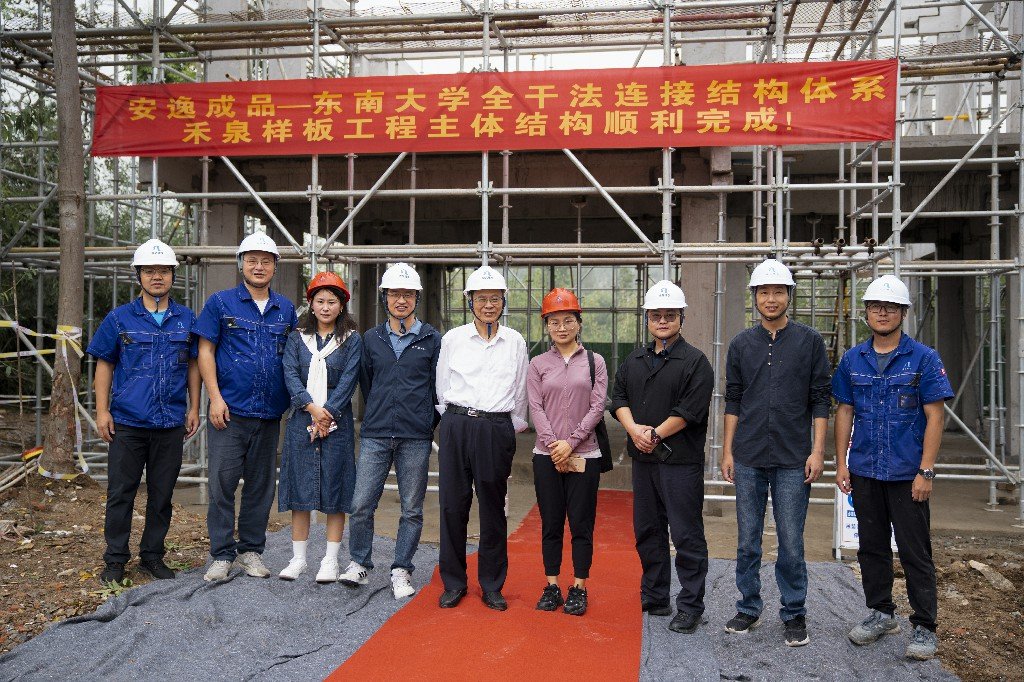
SY home focuses on precast concrete prefab homes with patented dry-connection technology, designed for long-term residential and project use.
2. Prepare Your Project Information
A good supplier cannot give a useful quotation without project details.
Before asking for a price, prepare these basic details:
- Project country and city
- Building use
- Quantity
- Number of floors
- Total building area
- Preferred layout
- Reference design or floor plan
- Exterior style
- Interior finish level
- Local climate
- Target budget
- Expected delivery time
- Installation method
- Local building requirements if available
For example, a resort project and a worker accommodation project may use very different materials, layouts, and finish levels.
The more details you send, the more accurate the proposal will be.
3. Choose the Right Supplier in China
Do not choose a supplier only because the price looks low.
A reliable prefab home supplier should have:
- Real factory production ability
- Clear structural technology
- Real project cases
- Drawing support
- Export experience
- Packing and container loading experience
- Installation support
- Quality control process
- Clear communication
Ask the supplier these questions:
| Question | Why It Matters |
|---|---|
| What building system do you use? | It affects strength, cost, and installation. |
| Do you have real project cases? | It proves practical delivery ability. |
| Can you provide drawings? | It helps your local team review the project. |
| What is included in the quotation? | It helps avoid hidden costs. |
| How do you pack and ship? | It affects unloading and installation. |
| Do you provide installation support? | It reduces local construction risk. |
SY home supports project buyers with prefab home systems, factory-made components, drawing support, and installation guidance.
4. Check the Structural System
The structure is the most important part of a prefab home.
Do not only look at exterior renderings.
Ask the supplier:
- What is the main frame?
- Is it steel, container, timber, or concrete?
- How are the columns, beams, and floor connected?
- Is the system suitable for long-term use?
- Does it require heavy wet work on site?
- Can the supplier provide structure drawings?
SY home uses a patented dry-connection precast concrete structure system.
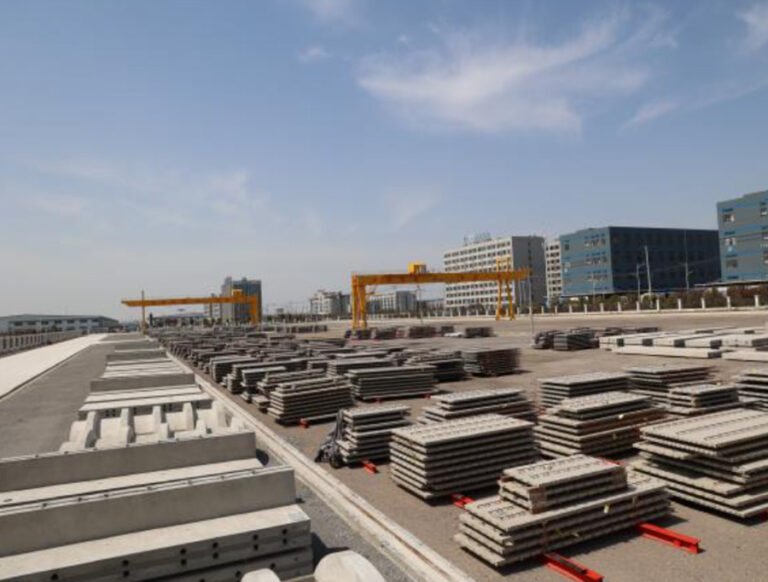
The main components are produced in the factory and connected on site with a dry mechanical connection method. This helps reduce heavy wet work, waiting time, and site uncertainty.
Structural Comparison
| Item | Common Light Prefab Homes | SY home Precast Concrete Prefab Homes |
|---|---|---|
| Main structure | Light steel or container frame | Precast reinforced concrete frame |
| Building feeling | Lightweight | Solid and permanent |
| Site work | Depends on system | Less wet work with dry connection |
| Quality control | Depends on supplier process | Factory-made standardized components |
| Best for | Temporary or budget projects | Villas, resorts, ADU, rural housing, long-term projects |
| Buyer value | Lower initial cost | Stronger structure and higher long-term value |
For developers, contractors, and resort owners, the structure should be checked before price comparison.
5. Confirm What Is Included in the Quotation
Different suppliers quote in different ways.
Some quotations only include the main frame. Some include wall panels. Some include windows, doors, roofing, and interior materials. Some only include the basic shell.
Before comparing prices, ask for a clear list.
The quotation may include:
- Main structure
- Wall panels
- Roof system
- Floor system
- Exterior finish
- Interior wall finish
- Ceiling system
- Windows and doors
- Bathroom
- Kitchen
- Electrical materials
- Plumbing materials
- Fasteners and connectors
- Packing
- Container loading
- Installation manual
- Technical support
Also ask what is not included.
Common excluded items may include:
- Foundation work
- Local labor
- Local crane or lifting equipment
- Local permits
- Customs duties
- Inland transport after arrival
- Utility connection
- Site preparation
- Local installation tools
A clear quotation helps you understand the real project cost.
6. Confirm Drawings and Technical Documents
For prefab homes, documents are very important.
Before production, the supplier should confirm drawings and technical details with you.
Useful documents may include:
- Floor plan
- Elevation drawing
- Structural drawing
- Component drawing
- Material list
- BOQ
- Packing list
- Installation drawing
- Installation manual
- Container loading plan
For B2B project buyers, these documents are not optional. They help your engineer, contractor, investor, distributor, or local authority understand the product.
If the supplier cannot provide basic drawings or technical documents, the project risk may be higher.
7. Confirm Local Building Requirements
Importing a prefab home does not mean it can be installed anywhere without review.
Different countries and regions may have different requirements for:
- Foundation
- Wind load
- Snow load
- Fire safety
- Thermal insulation
- Electrical system
- Plumbing system
- Energy efficiency
- Building permit
- Engineering review
Before placing an order, check with your local engineer, builder, or authority.
A China supplier can provide product information and drawings, but local approval often needs local professionals.
For project buyers, it is better to confirm local requirements early instead of waiting until the goods arrive.
8. Confirm Production Time
Production time depends on the project size, design complexity, material selection, and factory schedule.
Ask the supplier for a full timeline:
| Step | What to Confirm |
|---|---|
| Drawing confirmation | How long design review takes |
| Deposit and contract | When production can start |
| Material preparation | Whether special materials need extra time |
| Factory production | Main production schedule |
| Quality inspection | Inspection before packing |
| Packing | Numbering and protection |
| Container loading | Loading date and container quantity |
| Shipping | Estimated sailing time |
| Arrival | Port and delivery schedule |
| Installation | Local assembly plan |
Do not only ask, “How many days to produce?”
Ask for the full project timeline.
This is especially important for resort opening dates, real estate schedules, and government or commercial projects.
9. Check Quality Control Before Shipping
Once the goods leave China, solving problems becomes more expensive.
Before shipping, ask the supplier to provide quality inspection records or photos.
You can check:
- Component size
- Surface quality
- Connector positions
- Wall panel quality
- Roof materials
- Window and door quality
- Fasteners and accessories
- Packing condition
- Component labels
- Loading photos
For bulk orders, you can also arrange third-party inspection.
A professional prefab home supplier should welcome quality checks because they help both sides avoid later disputes.
10. Plan Packing and Container Loading
Packing is a key step when importing prefab homes.
Good packing protects the components and also makes installation easier.
Ask the supplier:
- How many containers are needed?
- Can all components fit into standard containers?
- How are heavy components protected?
- How are fragile materials packed?
- Are all parts numbered?
- Is there a packing list?
- Is there a loading sequence?
- Are container loading photos provided?
For prefab concrete homes, packing and loading must be planned carefully because the components are heavier.
For overseas projects, clear labels and packing lists can save a lot of time on site.
11. Arrange International Shipping
Most prefab homes are shipped by sea.
Common shipping terms include:
- EXW: Buyer arranges pickup from factory
- FOB: Supplier delivers goods to China port
- CIF: Supplier arranges shipping to destination port
- DDP: Supplier arranges delivery to final destination, depending on country and service availability
For most project buyers, FOB or CIF is common.
Before shipping, confirm:
- Port of loading
- Port of destination
- Container quantity
- Estimated shipping time
- Freight cost
- Shipping documents
- Insurance
- Destination charges
- Customs clearance responsibility
Also ask your local forwarder about import duties, tax, and port charges.
The product price and shipping price are only part of the total import cost.
12. Prepare Import Documents
The required documents may vary by country, but common documents include:
- Commercial invoice
- Packing list
- Bill of lading
- Sales contract
- Certificate of origin if needed
- Product documents
- Insurance document if needed
- Customs declaration documents
- Inspection documents if required
Your local customs broker or freight forwarder should confirm the final document list.
For project orders, keep all documents organized from the beginning.
This helps avoid delays at the destination port.
13. Prepare the Site Before Arrival
Do not wait until the containers arrive to prepare the site.
Before delivery, your local team should prepare:
- Foundation
- Access road
- Crane or lifting equipment
- Storage area
- Weather protection
- Installation tools
- Local workers
- Safety plan
- Utility connection plan
- Installation schedule
Prefab homes can save construction time, but only if the site is ready.
If the foundation or lifting equipment is not ready, the containers may sit at the port or jobsite, creating extra cost.
14. Follow the Installation Guide
Prefab homes must be installed correctly.
Ask the supplier to provide:
- Installation drawings
- Component numbering guide
- Installation sequence
- Video guide if available
- Remote technical support
- Online meeting support
- Engineer site support if needed
SY home’s dry-connection system is designed to make installation clearer. Factory-made components, numbered parts, and dry mechanical connections help reduce confusion on site.
Still, your local installation team should follow the supplier’s drawings and instructions carefully.
Correct installation is key to building performance.
15. Understand the Total Import Cost
When importing prefab homes from China, do not only calculate product cost.
The total cost may include:
- Product price
- Design or drawing cost
- Packing cost
- Inland transport in China
- Sea freight
- Marine insurance
- Import duty
- VAT or local tax
- Customs clearance
- Port charges
- Inland transport in your country
- Crane or equipment rental
- Local labor
- Foundation work
- Local finishing work
- Permit or engineering review cost
A lower product price may not always mean a lower total project cost.
A better supplier can help reduce mistakes, delays, rework, and installation problems.
16. Common Mistakes to Avoid
When importing prefab homes from China, avoid these mistakes:
- Choosing only by the lowest price
- Not checking the structural system
- Comparing quotations without checking included items
- Ignoring local building requirements
- Not preparing the foundation before delivery
- Not checking packing and container loading
- Not asking for installation drawings
- Not confirming after-sales support
- Not planning customs clearance early
- Not checking real project cases
Most problems happen because buyers focus too much on price and too little on project delivery.
17. Why Import Prefab Homes from SY home?
SY home is a manufacturer of precast concrete prefab homes in China.
We support global buyers with project-ready prefab building solutions for:
- Villas
- Resort homes
- Rural housing
- ADU projects
- Workforce housing
- Real estate development
- Overseas prefab construction projects
Our advantages include:
- Precast concrete frame structure
- Patented dry-connection technology
- Factory-made components
- Flexible exterior design
- ALC wall panel options
- Light steel roof system
- Dry floor and interior finish options
- Integrated kitchen and bathroom support
- Optional solar roof and energy storage
- Drawing and technical support
- Packing and project delivery support
- Installation guidance for overseas buyers
We help project buyers move from concept to real construction with a more practical prefab home system.
Conclusion
Importing prefab homes from China can be a strong choice for global project buyers, but it requires careful planning.
You need to confirm the building system, drawings, quotation details, factory capability, packing, shipping, customs documents, site preparation, and installation support.
Do not only ask for the cheapest price.
Choose a manufacturer who understands structure, production, export, installation, and project delivery.
SY home provides precast concrete prefab home solutions with patented dry-connection technology for buyers who need stronger, more solid, and project-ready prefab buildings.
Start Your Prefab Home Import Project with SY home
Send us your project country, building size, quantity, layout, and target use. Our team will help you prepare a suitable prefab home solution, quotation, and delivery plan.