Skip to content
Choosing a prefab home manufacturer in China is not only about finding a low price.
For developers, contractors, distributors, resort owners, and project buyers, the real question is:
Can this supplier help you deliver a safe, stable, and profitable building project?
A prefab home is different from a small consumer product. It involves structure, materials, drawings, production, shipping, installation, and long-term use. A wrong supplier may lead to delays, extra site costs, design changes, or quality risks.
Here are the key points you should check before choosing a prefab home manufacturer in China.
1. Check What Type of Prefab Building System They Offer
Not all prefab homes are the same.
Some suppliers focus on light steel houses. Some offer container-style buildings. Some provide temporary modular units. Others specialize in stronger building systems, such as precast concrete prefab homes.
Before comparing prices, first ask:
- What is the main structural system?
- Is it light steel, container, timber, or precast concrete?
- Is the building suitable for long-term residential or project use?
- Can the system meet your local project requirements?
- Is the structure suitable for your climate, land condition, and usage?
For long-term villas, resorts, rural houses, and development projects, many buyers prefer a stronger and more durable system.
SY home focuses on precast concrete prefab homes with a dry-connection building system. The system uses concrete columns, beams, slabs, wall panels, and roof components to create a more solid prefab building solution.
2. Look Beyond the House Appearance
A beautiful rendering is not enough.
Many prefab home suppliers can show attractive 3D images. But professional buyers need to look deeper:
- What is behind the wall?
- How is the frame connected?
- What materials are used for the wall and roof?
- How is the floor built?
- How are the bathroom and kitchen finished?
- How much work is needed on site?
A reliable manufacturer should be able to explain the structure clearly, not just show exterior designs.
For example, SY home’s prefab system can include precast columns, precast column heads, precast beams, precast floor slabs, ALC wall panels, light steel roofing, dry floor systems, integrated kitchen, integrated bathroom, and optional solar roof with energy storage. These technical details matter because they affect construction speed, site labor, building quality, and long-term use.
3. Ask About the Supplier’s Structural Technology
When choosing a prefab home manufacturer in China, do not only ask about the house style or price.
You should ask one key question first:
What structural technology does your prefab home system use?
The structure decides how strong the building is, how fast it can be installed, how much work is needed on site, and how stable the project delivery will be.
Many prefab homes on the market use light steel, container frames, or traditional wet construction methods. These systems may work for some projects, but they may not always meet the needs of long-term villas, resort homes, rural housing, or overseas development projects.
SY home uses a patented dry-connection precast concrete structure system.
In simple words, the main building components are produced in the factory and connected on site with a dry mechanical connection method. This reduces heavy wet work on site and makes the installation process clearer, faster, and easier to control.
Why SY home’s Dry-Connection Structure Matters
| Item | Traditional On-site Construction | Common Prefab Homes | SY home Dry-Connection Precast System |
|---|---|---|---|
| Main structure | Built mostly on site | Often light steel or container frame | Precast reinforced concrete frame |
| Site work | Heavy wet work | Less site work, but structure may vary | Less wet work with dry mechanical connection |
| Installation speed | Slower | Faster than traditional building | Faster and more controlled |
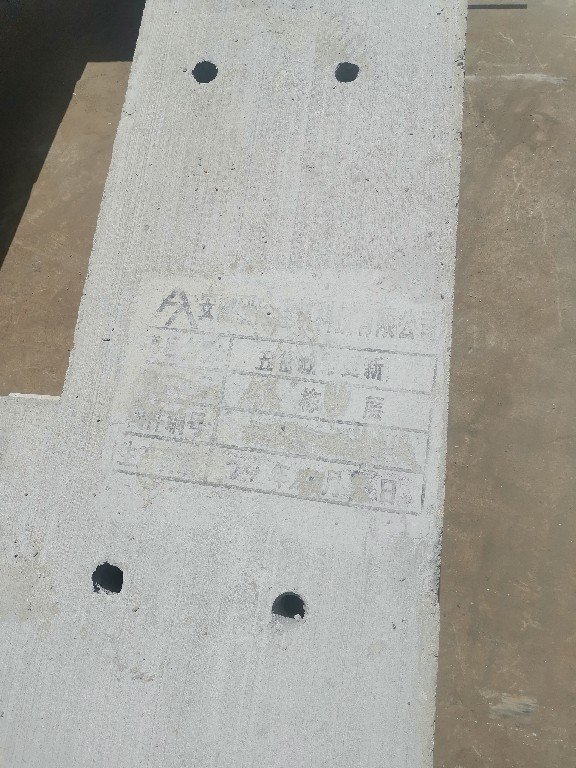
| Quality control | Depends heavily on site workers | Depends on supplier system | Factory-made components with standardized production |
| Building strength | Good if well built | Depends on material and design | Strong concrete frame for long-term use |
| Site cleanliness | More waste, dust, and noise | Better than traditional building | Cleaner site with less wet work and less construction waste |
| Project control | More affected by weather and labor | Better, but varies by system | Easier to manage with clear assembly process |
| Best for | Local traditional projects | Temporary or light-duty use, depending on system | Villas, resorts, rural homes, ADU projects, and project development |
Main Advantages of SY home’s Patented Dry-Connection Technology
- Stronger structure: The system uses a reinforced precast concrete frame, giving the building a more solid and durable base.
- Faster installation: Factory-made components and dry mechanical connections help reduce waiting time on site.
- Less wet work: The site needs less concrete casting, less curing time, and fewer traditional wet trades.
- Cleaner construction site: Less waste, less dust, less noise, and easier site management.
- More stable quality: Key components are produced in the factory, making quality easier to control.
- Better for overseas projects: Clear component numbers, dry connection details, and installation guidance make it easier for local teams to understand and assemble.
- Flexible design: The frame structure supports different layouts, exterior styles, windows, doors, and roof designs.
- Cost control: Standardized components help improve production efficiency and reduce unexpected site costs.
For project buyers, this technology is important because it is not just about building faster. It helps reduce project risk.
A supplier with real structural technology can give you more than a nice design. They can provide a building system that is easier to manufacture, ship, install, and repeat for future projects.
4. Confirm Factory Production Capability
A prefab home project depends heavily on factory production.
You should check whether the supplier has real production capacity, not only sales ability.
Ask these questions:
- Do they have their own factory?
- Can they produce precast concrete components?
- Do they have stable molds and production lines?
- Can they handle bulk project orders?
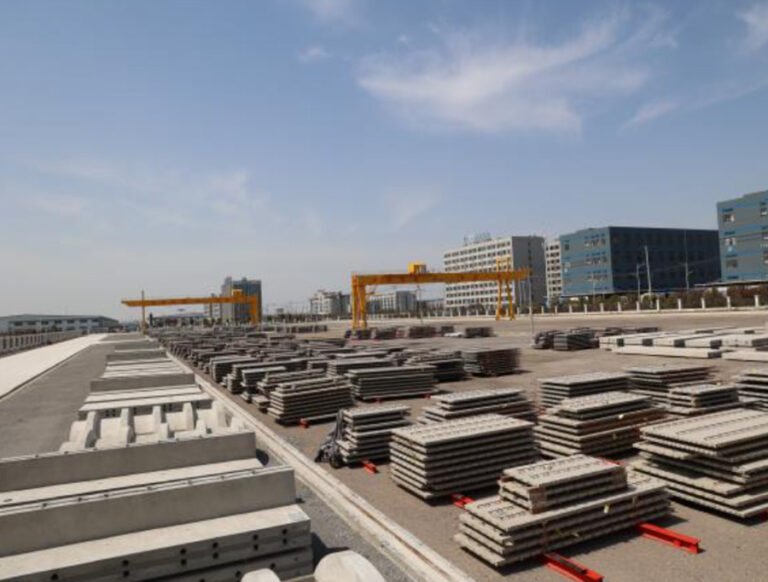
- Do they have a component storage yard?
- Do they have a testing or quality control area?
- Can they show real factory photos or videos?
A strong factory helps control quality, delivery time, and cost.
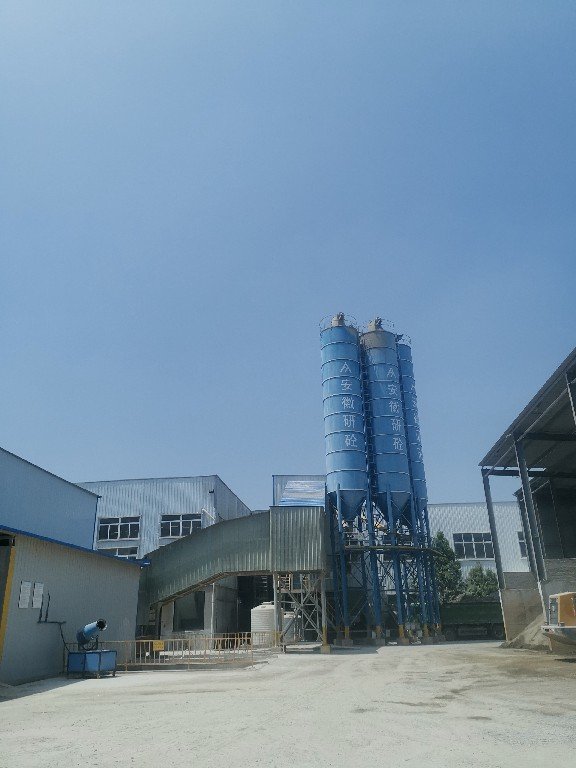
SY home’s related manufacturing resources include PC component production, steel reinforcement processing, wall panel production, curing areas, production lines, laboratory, and component yard. These factory elements are important for bulk orders and project delivery.
5. Check Engineering and Technical Support
For prefab homes, manufacturing is only one part of the job.
A reliable manufacturer should also support the project before production starts.
Good technical support may include:
- Drawing review
- Floor plan adjustment
- Structural proposal
- Material recommendation
- BOQ support
- Production drawings
- Installation drawings
- Packing plan
- Remote installation guidance
- Site support when needed
This is very important for contractors, developers, and distributors. If the drawings are not clear, the installation team may face many problems on site.
A professional prefab home supplier should help turn your project idea into a manufacturable and installable building solution.
6. Review Real Project Experience
Do not only ask for catalogs.
Ask for real project cases.
A good case study should show:
- Project location
- Building area
- Building use
- Structure system
- Floor plan
- Materials used
- Production details
- Installation photos
- Finished building photos
- Problems solved during the project
This helps you understand whether the supplier has real experience or only marketing materials.
For example, one project in the SY home technical materials is a two-story villa project in Bengbu, Anhui, with a total building area of 263 square meters. The project uses a reinforced concrete frame structure, ALC wall panels, thermal insulation decorative exterior panels, dry floor systems, integrated kitchen and bathroom, and solar roof with energy storage.
This type of project case gives buyers a clearer idea of what the manufacturer can actually deliver.
7. Compare the Total Project Cost, Not Only Unit Price
Many buyers ask one question first:
“How much per square meter?”
This is normal, but it is not enough.
A low square-meter price may not include many important parts, such as:
- Structural components
- Wall panels
- Roof system
- Windows and doors
- Interior finishing
- Kitchen and bathroom
- Installation accessories
- Packing
- Shipping
- Installation guidance
- Local foundation work
- On-site labor
When comparing suppliers, ask them to list what is included and what is not included.
A professional quotation should be clear enough for you to understand the real project cost.
The cheapest supplier may not be the most cost-effective one. For project buyers, stable quality, fast installation, and fewer on-site problems often save more money in the long run.
8. Check Customization Ability
Prefab does not mean every house must look the same.
For villas, resorts, rural housing, ADU projects, and tourism projects, buyers often need different layouts and exterior styles.
Ask the manufacturer:
- Can they adjust the floor plan?
- Can they support different exterior designs?
- Can they change window and door positions?
- Can they support different roof styles?
- Can they provide different wall and interior materials?
- Can they design for local market preferences?
A good prefab home manufacturer should balance standardization and customization.
Standardized components help control cost and production speed. Customizable layouts and finishes help your project fit the local market.
SY home’s prefab system supports flexible exterior wall material choices such as ALC, block, glass, and other options, and can be adapted to different building styles.
9. Ask About Shipping and Container Loading
For overseas buyers, shipping is a key part of the decision.
A prefab home manufacturer should consider container loading from the design stage.
Ask these questions:
- Can the components fit into standard containers?
- How are components numbered?
- How are fragile parts protected?
- Is there a packing list?
- Is there a loading plan?
- Can the supplier help estimate shipping volume?
- Can the supplier support export documents?
Good packing and labeling can save a lot of time during installation.
For bulk buyers and distributors, this is even more important. If the parts are not clearly packed and marked, your local installation team may waste time identifying components.
10. Check Installation Support
Prefab homes are faster to build, but they still need correct installation.
Before placing an order, ask:
- Will the supplier provide installation drawings?
- Is there an installation manual?
- Are there videos or SOP documents?
- Can the supplier train local workers?
- Can the supplier provide online guidance?
- Can engineers visit the project site if needed?
A reliable manufacturer should not disappear after shipping the goods.
For project buyers, after-sales technical support is part of the product value.
11. Review Certificates, Patents, and Technical Background
For prefab homes, trust matters.
You can check:
- Business license
- Factory certificates
- Quality management documents
- Product certificates
- Patents
- Engineering team background
- Expert cooperation
- Industry association records
- Project experience
These materials help prove that the supplier has real technical and production ability.
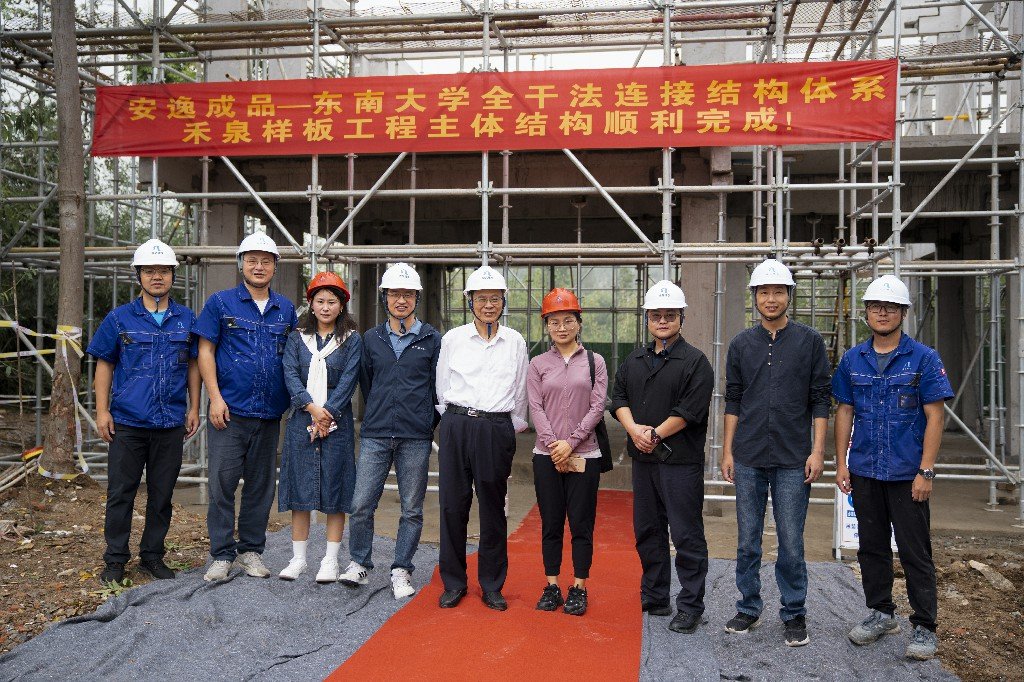
SY home’s related technical resources include experienced experts in prefabricated building design, bidding, production, and construction. The technical advisor team is connected with Southeast University and has experience in structural design and large complex engineering projects.
12. Choose a Supplier Who Understands Projects
A prefab home manufacturer for B2B buyers should not only sell a house.
They should understand project needs, such as:
- Bulk supply
- Local building requirements
- Distributor margin
- Project timeline
- Installation efficiency
- Long-term cooperation
- Clear communication
- Stable production
- Document support
- Repeat orders
For wholesalers and distributors, you also need market-friendly products, reasonable MOQ, clear product categories, and repeatable quality.
For developers and contractors, you need drawings, structure, cost control, delivery schedule, and site support.
A good manufacturer should speak your project language.
13. Watch Out for These Red Flags
Be careful if a supplier:
- Only talks about low price
- Cannot explain the structure clearly
- Has no real project photos
- Avoids technical questions
- Gives unclear quotations
- Cannot provide packing details
- Has no installation support
- Uses copied renderings only
- Cannot show factory production
- Changes answers often
- Promises everything without checking drawings
Prefab homes need professional communication. If the early communication is unclear, the project may become harder later.
14. What to Send Before Asking for a Quote
To get a more accurate quotation, prepare these details:
- Project country and city
- Building use
- Quantity
- Building area
- Floor plan or reference design
- Number of floors
- Target exterior style
- Interior finish requirement
- Local climate
- Foundation condition if available
- Target budget
- Expected delivery time
The more details you provide, the more practical the proposal will be.
15. Why Choose SY home
SY home is a manufacturer of precast concrete prefab homes in China.
We focus on modular prefab building solutions for villas, resorts, rural housing, ADU projects, workforce housing, and overseas construction projects.
Our advantages include:
- Precast concrete frame system
- Dry-connection building technology
- Factory-made components
- ALC wall panel options
- Light steel roof system
- Dry interior finishing options
- Integrated kitchen and bathroom support
- Optional solar roof and energy storage
- Project drawing and technical support
- Bulk supply for developers, contractors, and distributors
We help buyers move from concept to real construction with a more practical prefab building solution.
Conclusion
Choosing a prefab home manufacturer in China should not be based on price alone.
You need to check the structure, materials, factory capacity, technical support, project experience, customization ability, packing, shipping, and installation guidance.
A reliable supplier should help you reduce project risk, control cost, improve construction efficiency, and deliver a building that is suitable for long-term use.
SY home provides precast concrete prefab home solutions with dry-connection technology and project-ready support for global buyers.
If you are planning a villa, resort, rural housing, ADU, or bulk prefab home project, send us your drawings or project idea. Our team will help you evaluate the right prefab building solution.
Send Your Project Plan to SY home
Share your drawings, building size, project location, and target use. We will help you prepare a suitable prefab home solution for your project.