Skip to content
The construction industry is undergoing rapid transformation, driven by the demand for faster, more sustainable, and cost-effective solutions. In this context, precast concrete is emerging as a leading choice due to its numerous benefits over traditional building methods. Precast concrete offers reduced construction time, improved quality, and significant cost savings, making it a global solution for a wide variety of projects.
As the demand for greener buildings and faster construction timelines grows, the role of technology in enhancing precast concrete manufacturing has never been more important. This article explores the latest technological advancements in the precast concrete industry, including dry connection systems, smart manufacturing, and sustainability innovations, and highlights how these technologies are revolutionizing construction practices worldwide.
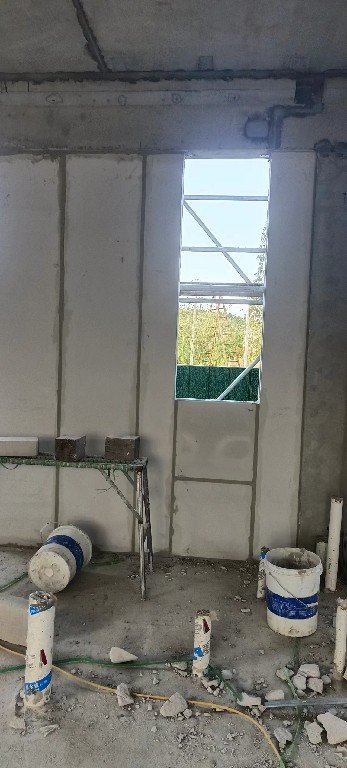
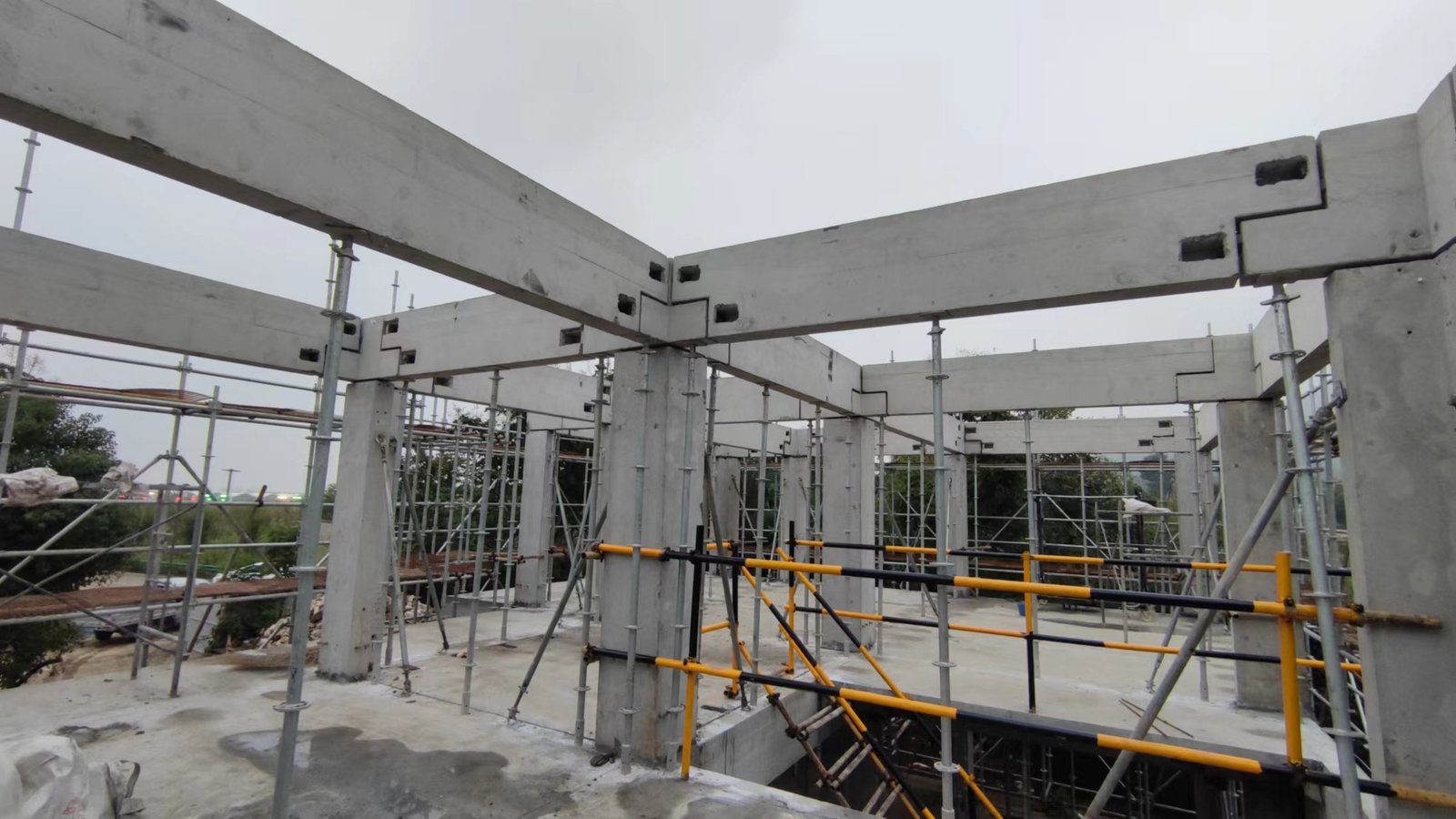
1. Dry Connection Systems: A Game Changer in Precast Concrete Construction
What are Dry Connection Systems?
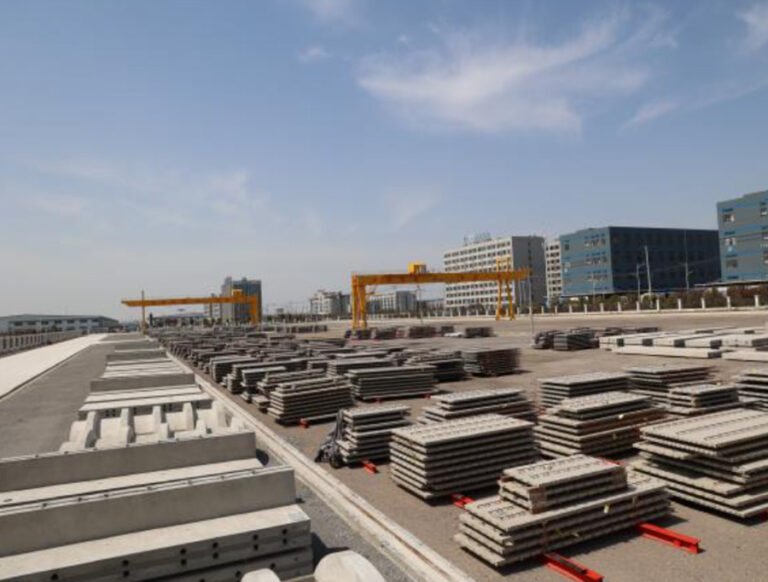
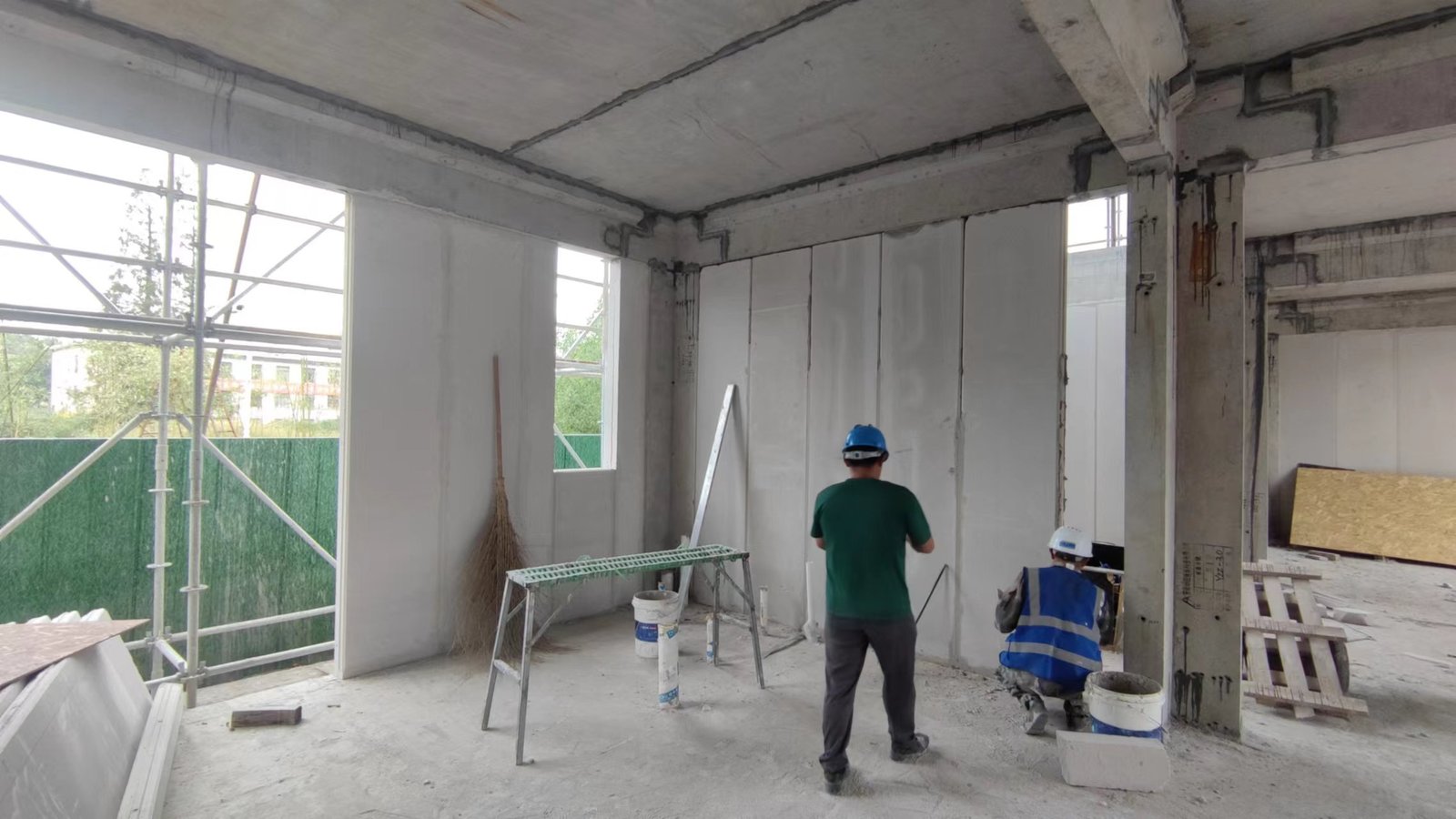
Dry connection systems are a breakthrough in precast concrete technology. Unlike traditional construction methods where concrete is poured and cured on-site, dry connection systems allow precast concrete components to be joined using mechanical connectors, eliminating the need for wet concrete pouring. This system enables faster assembly and improves the overall quality of the building structure.
How It Works
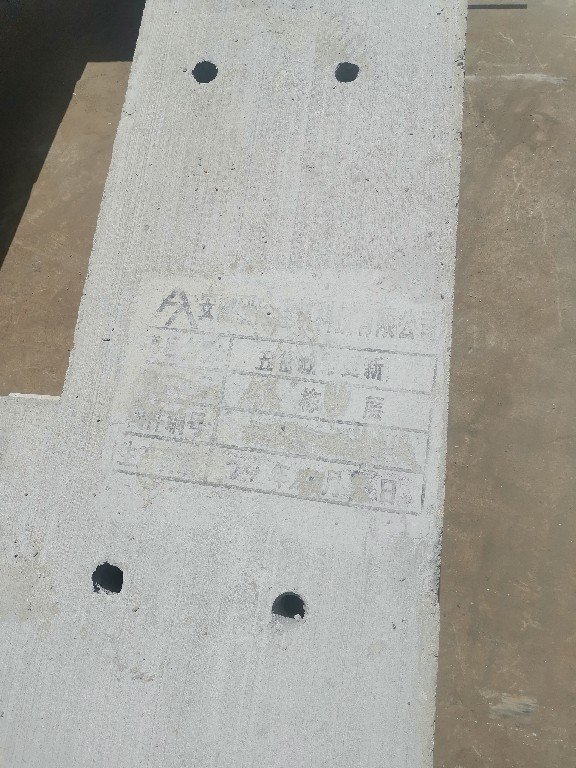
In a dry connection system, each precast component is manufactured with embedded connectors that align perfectly during assembly. These connections allow the components to be joined quickly and securely, without the need for curing or additional wet concrete. This method reduces the dependency on weather conditions and ensures more accurate and durable connections.
Benefits
- Speed: The absence of curing time and the ability to quickly assemble components leads to significantly faster construction schedules. This system can cut construction time by up to 60% compared to traditional methods.
- Safety: Dry connection systems reduce on-site labor and mitigate risks associated with wet concrete handling, such as injuries from falls or exposure to hazardous materials.
- Quality: Precast components are produced in controlled factory environments, ensuring high-quality connections that are tested for strength and durability before being installed.
Example
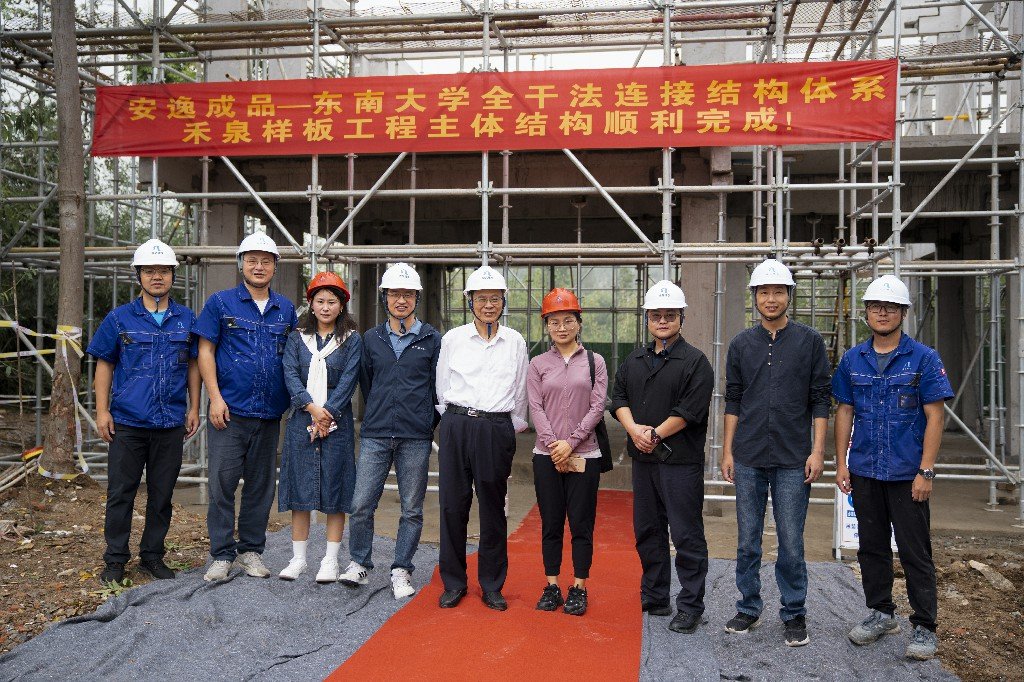
For the Hequan Inn Project in Anhui Province, China, dry connection technology helped reduce the construction time by 60%, as compared to traditional wet-pour methods. The system's efficiency allowed for faster project completion without sacrificing quality.
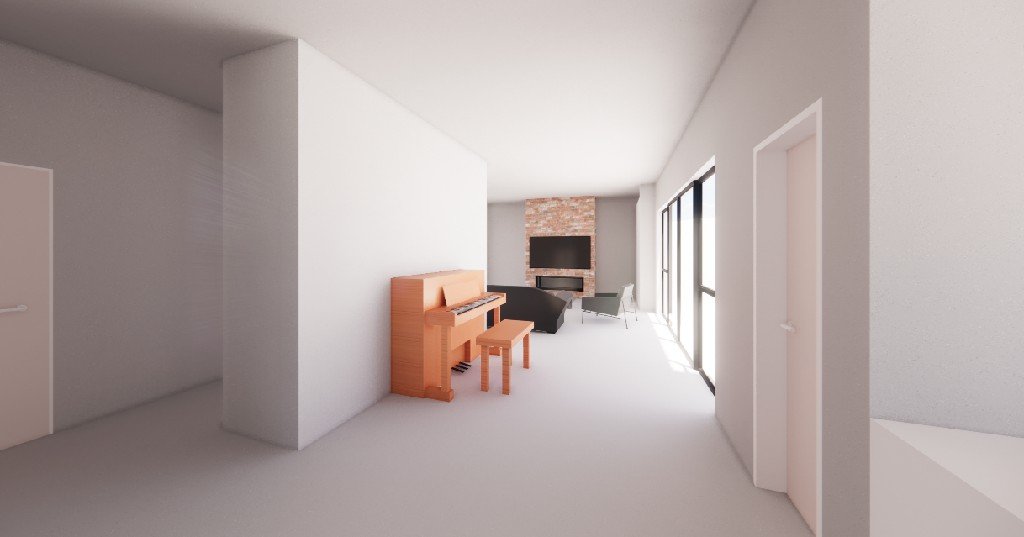
2. Smart Manufacturing: Advancements in Precast Concrete Production
What is Smart Manufacturing?
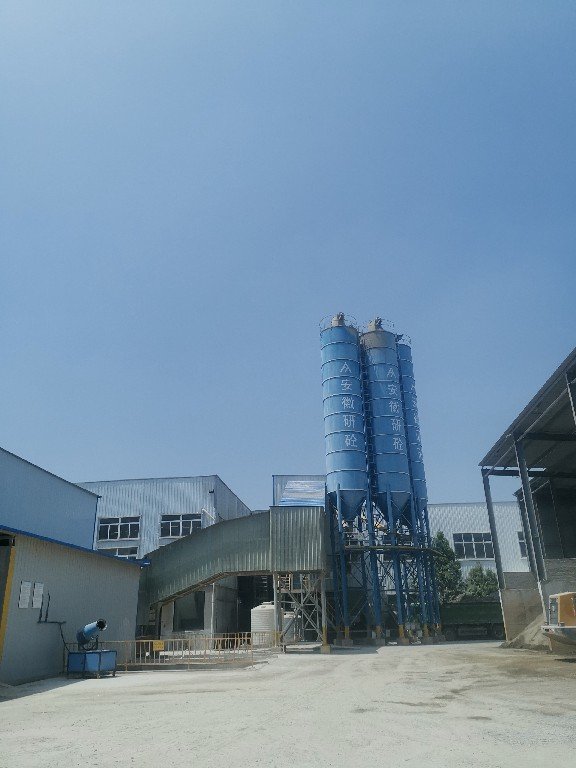
Smart manufacturing refers to the integration of advanced technologies like IoT (Internet of Things), AI (Artificial Intelligence), and robotics in the production process of precast concrete components. These technologies streamline production, improve quality control, and reduce costs by automating processes, gathering real-time data, and optimizing operations.
How It Works
In a smart manufacturing facility, AI and IoT-enabled machines work in tandem to monitor production lines, detect potential defects, predict maintenance needs, and optimize workflows. For example, sensors integrated into manufacturing equipment can track the exact conditions under which precast elements are produced, ensuring consistent quality across every component. Additionally, AI can predict when machines will require maintenance, preventing costly downtime.
Benefits
- Improved Product Quality: By using real-time data and AI-driven quality control, manufacturers can ensure that every precast component meets the required specifications, reducing defects and enhancing the durability of the final product.
- Cost Reduction: Automated production lines reduce labor costs and improve resource efficiency by optimizing material usage, leading to cost savings.
- Faster Production: Automated scheduling and machine optimization allow for quicker turnaround times, meaning projects can be completed on schedule.
Example
In a North American commercial building project, smart manufacturing systems allowed for a 20% reduction in production time. By implementing IoT sensors and AI to optimize the precast concrete production process, the manufacturer was able to streamline workflows and ensure higher product consistency.
3. Sustainability in Precast Concrete: Green Innovations
Sustainable Materials in Precast Concrete
As the world moves towards more sustainable construction practices, the precast concrete industry has adapted by integrating recycled materials into the production process. Innovations such as the use of recycled aggregates, waste glass, and even CO2 capture technologies are reducing the environmental impact of concrete production.
How It Works
Precast concrete manufacturers can use a range of sustainable materials to replace traditional raw ingredients. For example, recycled concrete aggregates (RCA) are used to create new concrete products, while waste glass is incorporated to enhance material strength. Additionally, some manufacturers are exploring CO2 capture during production, which helps offset emissions.
Benefits
- Reduced Carbon Footprint: Using recycled materials and energy-efficient production processes lowers the carbon footprint of precast concrete production.
- Energy Efficiency: Precast components can be designed to have better thermal insulation, which helps in reducing the overall energy consumption of buildings.
- Waste Reduction: Recycling materials and reducing waste during production lowers environmental impact and supports the circular economy.
Example
An European commercial building used sustainable precast concrete made with recycled aggregates and energy-efficient designs. This approach resulted in a 30% reduction in the building's carbon footprint, aligning with global sustainability goals.
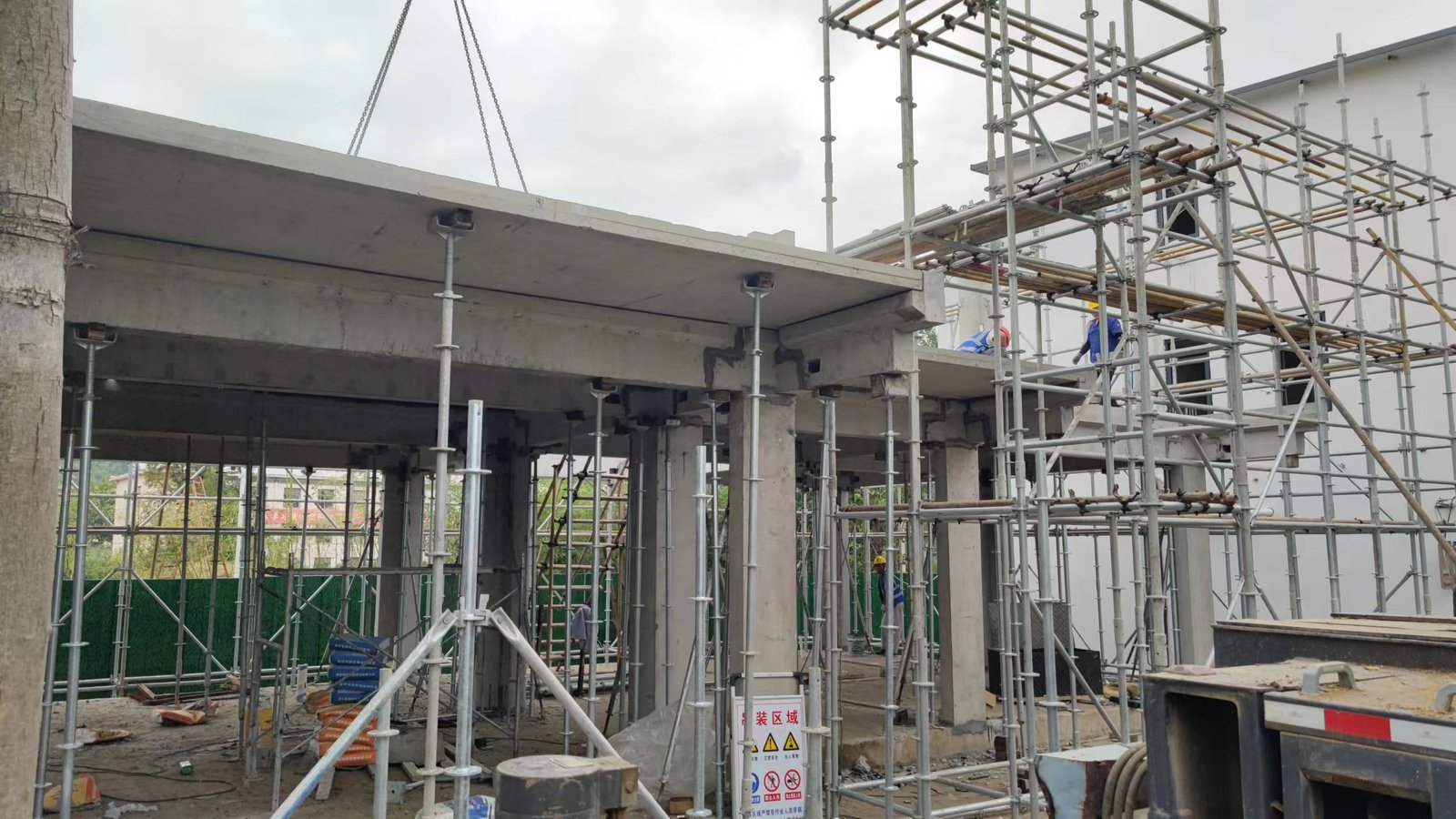
4. Modular and Customizable Solutions: Meeting the Needs of Diverse Projects
Customization and Modular Construction
One of the key advantages of precast concrete is its flexibility and modularity. Precast components can be manufactured to specific sizes, shapes, and finishes to meet the unique needs of a project. Whether it’s for a residential building, a commercial structure, or an infrastructure project, precast concrete offers customized solutions that fit both functional and aesthetic requirements.
How It Works
Precast concrete allows for modular construction, where components are manufactured in a factory and then assembled on-site. This approach allows for quicker assembly and reduces the time spent on-site. Additionally, advanced design software enables architects to create customized components with ease.
Benefits
- Design Flexibility: Precast concrete can be tailored to meet specific project needs, whether it’s for unique architectural designs, custom facades, or intricate interior features.
- Efficiency: Modular construction reduces the need for on-site labor and allows for faster assembly, making the construction process more efficient.
Example
In the Sanzhi Xiaolu Project in Bengbu, China, precast concrete panels were used for a customizable facade design. The flexibility of precast concrete allowed the design team to achieve a unique aesthetic while maintaining high quality and durability.
5. Conclusion: The Future of Precast Concrete
Innovations in precast concrete technology, such as dry connection systems, smart manufacturing, and sustainability practices, are transforming the construction industry. These advancements are not only improving the efficiency, quality, and safety of construction projects but are also helping to meet the global demand for sustainable, cost-effective solutions.
As the precast concrete industry continues to innovate, these technologies will play an increasingly important role in shaping the future of construction. Developers, contractors, and architects around the world can benefit from adopting these advancements to reduce costs, improve project timelines, and achieve sustainability goals.
If you're looking for innovative and sustainable building solutions, consider the benefits of precast concrete technology for your next project.