Skip to content
Precast concrete has revolutionized the construction industry, offering speed, precision, and enhanced safety over traditional on-site concrete pouring methods. Over the years, the construction sector has witnessed a shift towards more efficient, sustainable, and cost-effective materials, and precast concrete is leading this transformation.
In modern construction, where time is money, and quality control is paramount, precast concrete components stand out by offering a wide array of benefits, from reducing project timelines to improving structural integrity.
This article dives into how precast concrete improves construction speed, quality, and safety, making it an essential solution for today’s construction projects across the globe.
Table Overview: The Advantages of Precast Concrete in Modern Construction
| Advantage | Description | Example |
|---|---|---|
| Speed | Precast concrete reduces construction time by allowing simultaneous production of components and site preparation. | The Hequan Inn project reduced construction time by 60% using precast concrete. |
| Minimized Delays | Precast components are manufactured indoors, avoiding weather-related delays. | Precast concrete eliminates downtime caused by weather conditions, speeding up project timelines. |
| Quality | Consistency and precision in manufacturing in factory-controlled environments result in superior quality. | The Sanzhi Xiaolu project used high-precision precast elements to ensure seamless integration on-site. |
| Durability and Longevity | Precast concrete is more durable, weather-resistant, and requires less maintenance over time. | Precast concrete was used in a commercial building for durable and low-maintenance exterior walls, handling exposure to weather and high traffic areas. |
| Safety | Precast concrete reduces on-site risks by limiting the need for hazardous tasks such as pouring wet concrete and working in extreme weather. | Hequan Inn project improved on-site safety by using precast elements, reducing manual labor on-site. |
| Environmental Benefits | Reduced waste, energy efficiency, and sustainable manufacturing practices make precast concrete eco-friendly. | Precast concrete reduces construction waste compared to traditional methods and has lower carbon emissions. |
| Cost-Effectiveness | Initial investment is offset by long-term savings due to reduced labor costs and low maintenance requirements. | Reduced labor and maintenance costs make precast concrete a cost-effective option for projects. |
| Flexibility and Customization | Precast concrete offers customizable design options in terms of shape, texture, and size to meet specific project needs. | Precast concrete offers design flexibility for a variety of building types, from residential to commercial. |
| Adaptability to Building Codes | Precast concrete can be adapted to various international building codes, making it suitable for global projects. | Precast concrete meets building codes in regions worldwide, allowing for its use in international projects across different markets. |
| Improved Worker Conditions | Factory-controlled manufacturing environments improve worker safety and productivity compared to on-site labor. | Precast concrete manufacturing in factories reduces exposure to hazards like wet concrete, improving worker safety and working conditions. |
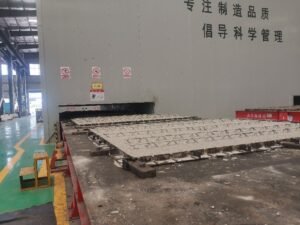
1. Speed: Accelerating Construction with Precast Concrete
Speed is one of the defining benefits of using precast concrete in construction projects. Let's explore how it contributes to faster completion and fewer delays:
Faster Project Completion
Precast concrete offers one of the fastest ways to complete construction projects. By manufacturing components in a controlled factory environment, precast concrete allows for concurrent site work and production. In fact, when using precast concrete, construction timelines can be reduced by up to 60% compared to traditional on-site methods.
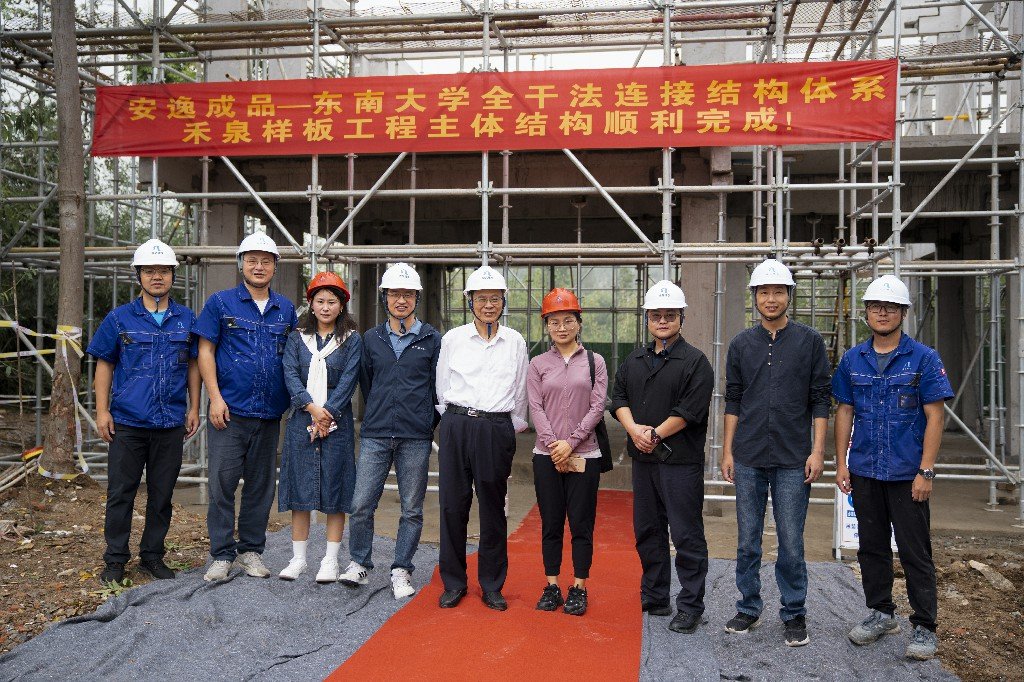
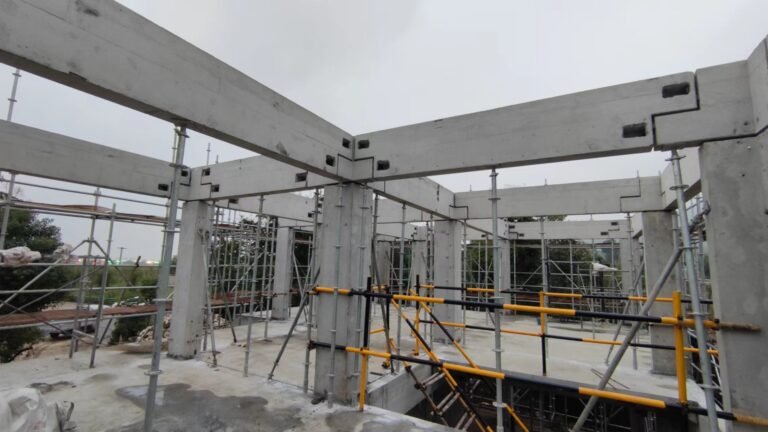
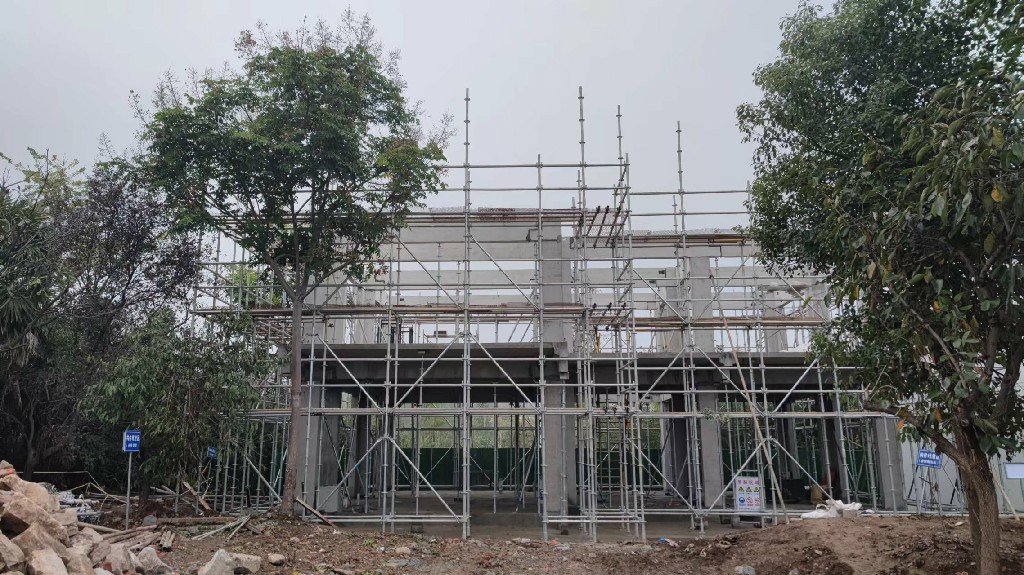
- Example: For the Hequan Inn project in Anhui Province, China, the construction time was dramatically shortened using precast concrete. This project, using a dry connection construction system, achieved a 60% reduction in construction time compared to traditional in-situ casting.
- Global Impact: The introduction of precast concrete on international projects, including high-rise buildings, shopping malls, and large-scale residential complexes, has significantly cut down the time required to complete foundations, walls, floors, and facades.
Minimized Delays
Unlike traditional concrete, which is highly dependent on weather conditions, precast concrete can be produced in a factory setting unaffected by external factors. This results in a smoother, uninterrupted construction schedule, reducing delays typically caused by weather conditions or unexpected site disruptions.
- Example: In a typical urban development project, the time spent waiting for concrete to cure can lead to weeks of downtime. With precast concrete, the elements are pre-cast, allowing for a continuous construction process.
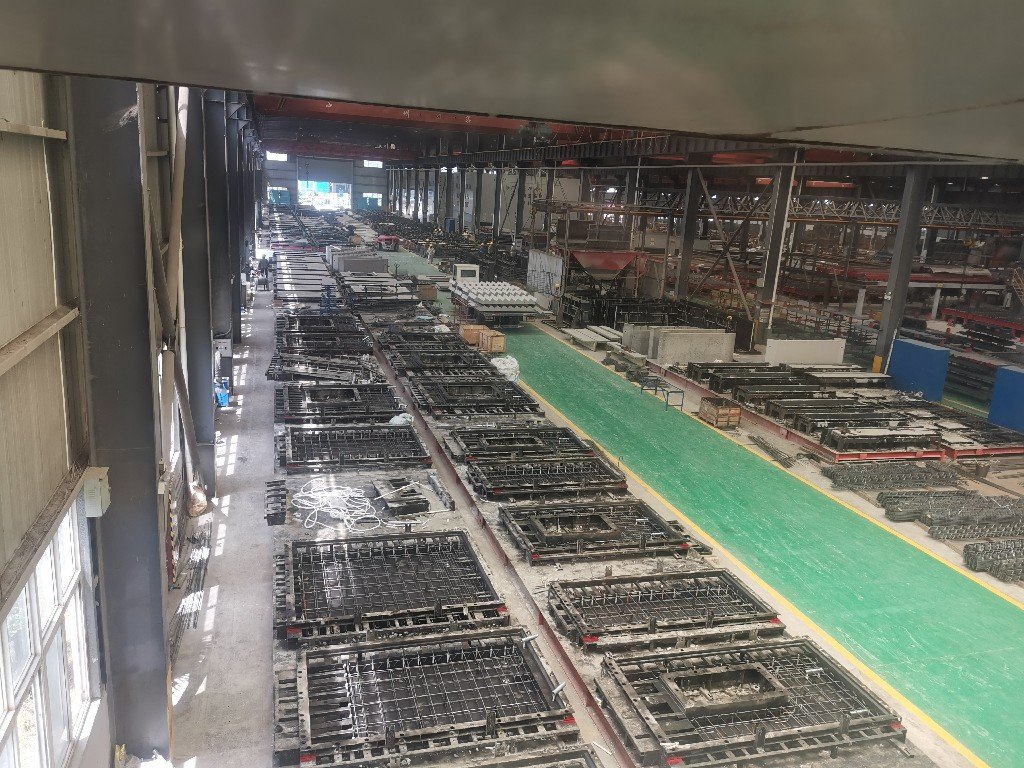
2. Quality: Achieving Consistent Excellence in Every Component
Quality assurance is paramount in the construction industry, and precast concrete delivers exceptional consistency and strength. Let's delve into how the manufacturing process ensures superior building standards:
Controlled Environment for Precision
Precast concrete is manufactured in a controlled environment, allowing for uniformity and precision that is hard to achieve on construction sites. This results in better quality control, ensuring that each precast element meets exact specifications for strength, durability, and aesthetics.
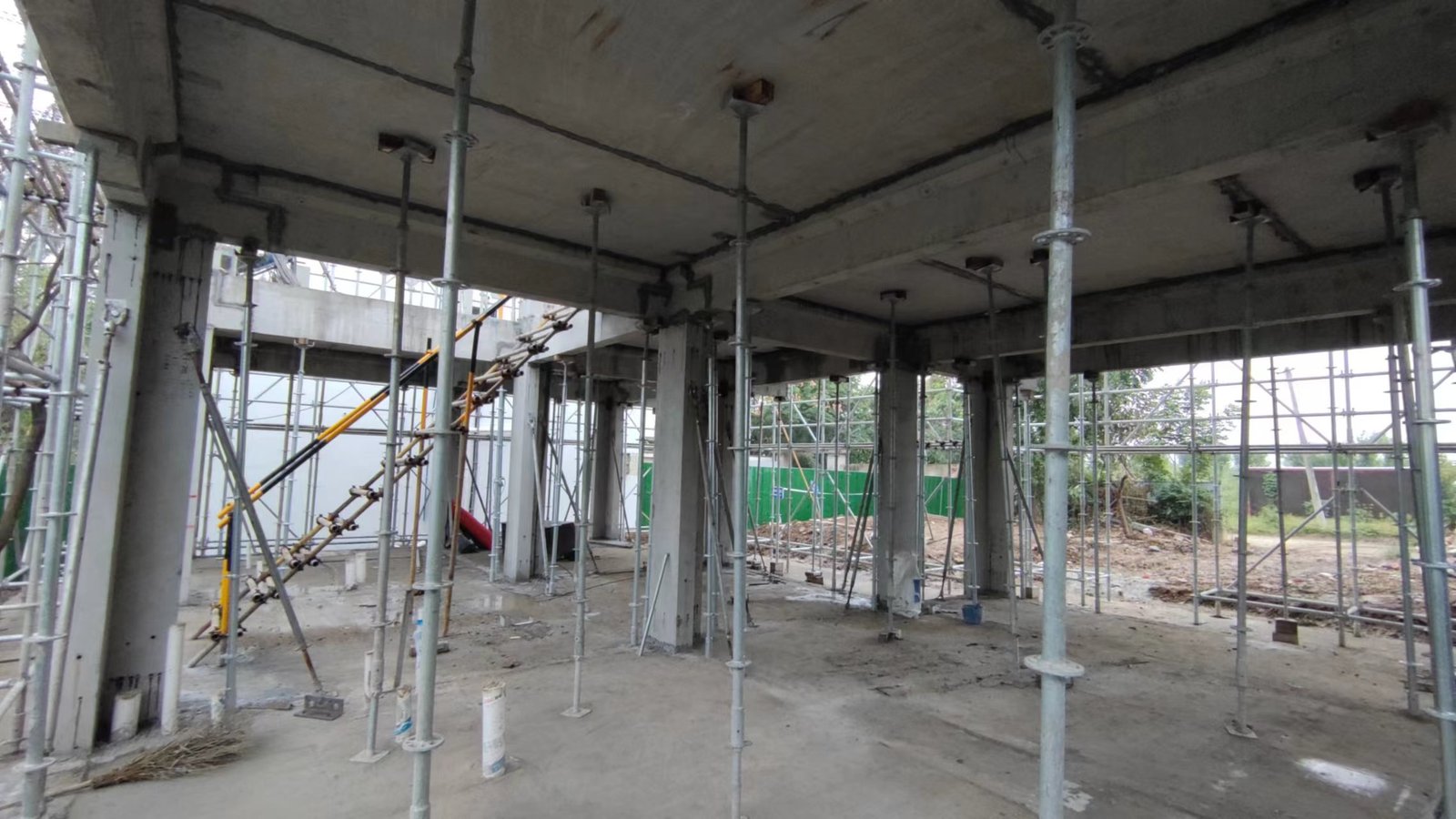
- Example: The Sanzhi Xiaolu project in Bengbu City is a perfect example of using high-precision precast elements to achieve consistent quality. Precast columns, beams, and walls were fabricated to precise specifications, ensuring seamless integration on-site.
Enhanced Durability
Precast concrete is stronger and more durable than traditional poured-in-place concrete. This is because the manufacturing process allows for more precise reinforcement and a controlled curing environment, making the finished product more resistant to cracking, weathering, and environmental stress.
- Case Study: Precast concrete was used in a large-scale commercial building project in Europe, where it was applied for durable and aesthetic facades, effectively withstanding exposure to harsh weather conditions and heavy foot traffic.
Aesthetic Flexibility
Precast concrete offers a wide range of design options. Whether it’s creating custom textures, colors, or shapes, precast concrete can meet aesthetic demands while maintaining strength and durability. This versatility allows architects and builders to achieve unique looks without compromising on structural integrity.
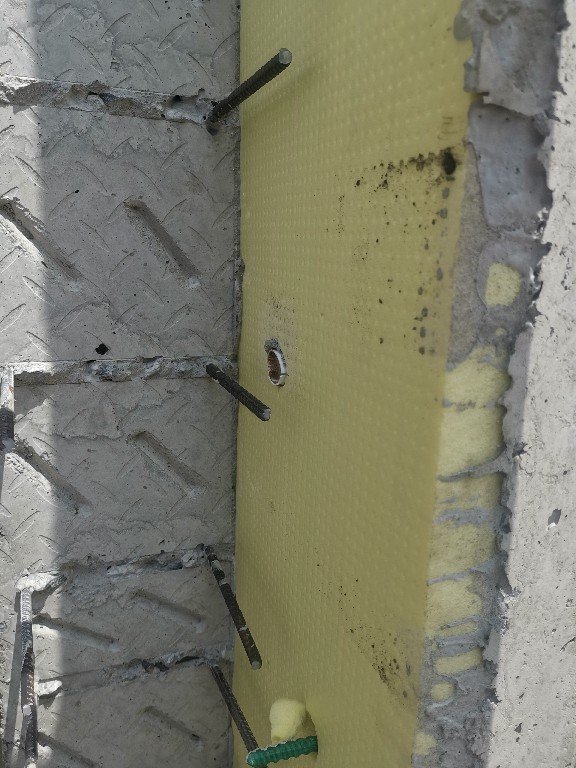
3. Safety: Enhancing On-Site Safety with Precast Concrete
Construction sites are inherently hazardous, but precast concrete minimizes many of the risks associated with traditional construction methods.
Reducing On-Site Hazards
Precast components are manufactured off-site, reducing the amount of on-site labor required. This minimizes the exposure of workers to potentially dangerous tasks, such as mixing and pouring wet concrete, handling heavy materials, and working in hazardous conditions.
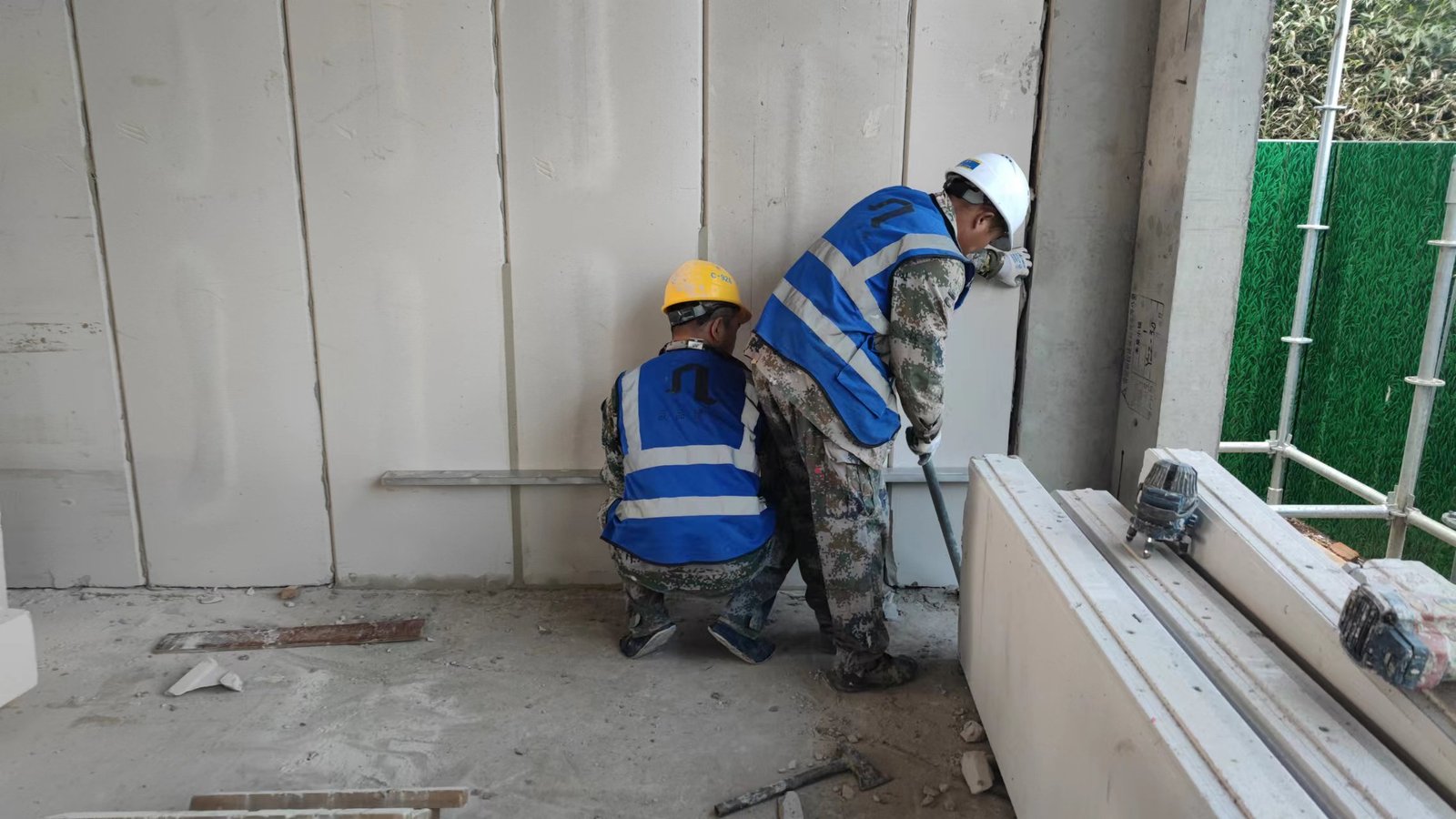
- Example: In the Hequan Inn project, the use of precast concrete significantly reduced the manual labor required on-site, lowering the risks associated with worker injuries and improving the overall safety on-site.
Improved Worker Safety
Precast concrete encourages a shift from traditional on-site work to safer, factory-based processes. Workers involved in the production of precast elements are typically in a controlled factory environment, where health and safety measures can be more easily enforced.
Compliance with International Safety Standards
Precast concrete is subject to rigorous quality and safety standards. Components are designed and manufactured to meet or exceed international safety regulations, ensuring that the finished product is safe, reliable, and compliant with local building codes.
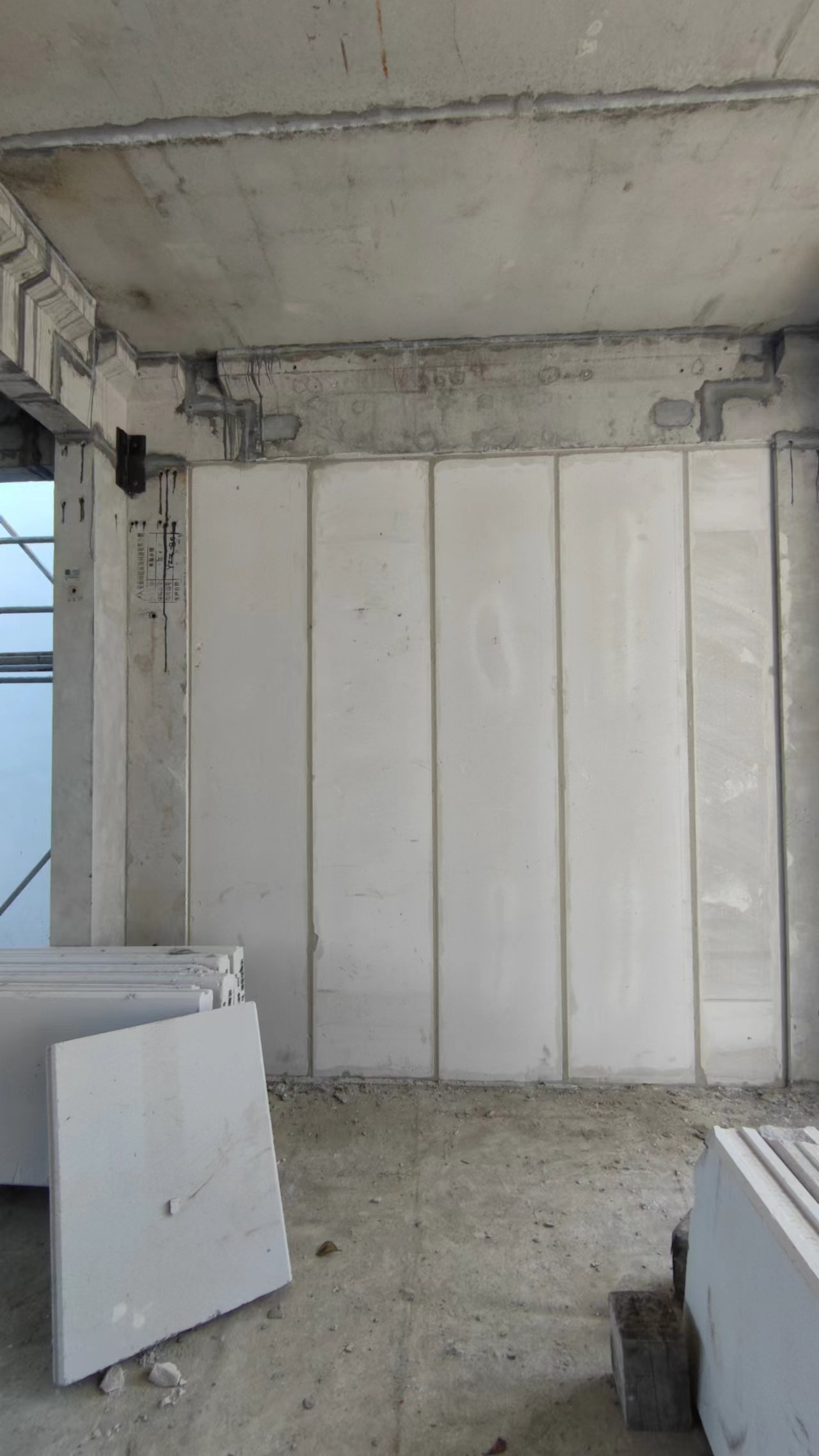
4. Environmental Impact: Supporting Sustainable Building Practices
In today’s world, sustainability is a crucial aspect of construction, and precast concrete provides a solution that helps reduce environmental impact.
Waste Reduction
Since precast concrete is manufactured in a controlled factory setting, material waste is minimized. The components are designed to fit perfectly with minimal excess material, and the manufacturing process allows for the efficient use of resources.
- Environmental Case: Precast concrete production typically results in less construction waste compared to traditional methods, where materials are often wasted or discarded on-site.
Energy Efficiency and Thermal Insulation
Precast concrete has excellent thermal properties, contributing to energy-efficient buildings. Its natural insulating qualities help reduce the need for artificial heating and cooling, leading to long-term energy savings for building owners.
Sustainability in Manufacturing
Precast concrete companies are increasingly using recycled materials, such as crushed concrete and industrial byproducts, in their mix. This reduces the demand for virgin materials and helps to minimize the carbon footprint of construction projects.
5. Cost-Effectiveness: Maximizing ROI with Precast Concrete
Though precast concrete may have a slightly higher initial cost compared to traditional methods, the long-term savings and return on investment (ROI) make it a wise choice for developers.
Lower Labor Costs
Precast concrete reduces the labor required on-site, which can result in significant cost savings. With precast, the bulk of the work is completed in the factory, reducing the number of workers needed for tasks like pouring, curing, and finishing the concrete on-site.
Reduced Maintenance and Repairs
The durability of precast concrete means that buildings require less frequent maintenance. The reduced risk of cracks, deterioration, or structural failures means fewer repair costs down the line.
- Example: In several hotel projects, including a luxury hotel in Europe, the use of precast concrete components led to significantly lower maintenance costs, as the material's durability kept the building in good condition over many years.
Long-Term Financial Benefits
Precast concrete offers not just initial savings but long-term financial benefits due to its durability, low maintenance needs, and energy efficiency. This makes it a cost-effective solution for owners who are looking to minimize their building's life-cycle costs.
6. Flexibility and Customization: Meeting Diverse Client Needs
Precast concrete is adaptable to a wide range of building types and projects, making it a versatile solution for different market needs.
Design Flexibility
Precast concrete can be molded into a wide range of shapes and sizes, offering architects and designers incredible flexibility in creating aesthetically unique structures. The ability to customize textures, shapes, and finishes ensures that precast concrete can fit the specific design needs of any project.
Global Adaptability
Whether you are building residential homes, commercial buildings, or large-scale infrastructure projects, precast concrete can be tailored to meet various international building codes and standards. This makes it a perfect solution for global construction projects.
Conclusion: Why Precast Concrete is the Future of Construction
Precast concrete is an essential building material that provides a host of benefits, from reducing construction time and improving safety to enhancing durability and sustainability. It offers an ideal solution for today’s construction challenges, delivering high-quality, cost-effective, and environmentally friendly buildings that stand the test of time.
As the construction industry continues to evolve, precast concrete will play an even more significant role in shaping the future of modern construction. With its speed, quality, safety, environmental benefits, and long-term cost savings, precast concrete is undoubtedly the future of construction.
For developers, contractors, and architects looking for reliable, high-performance building solutions, precast concrete is a smart investment. Contact us today to learn more about how precast concrete can benefit your next project, and see why it’s the construction material of choice for modern developments.
FAQs About Precast Concrete in Modern Construction
1. What is precast concrete?
Precast concrete refers to concrete components that are cast in a controlled factory environment before being transported and assembled on-site. This method is faster and more efficient compared to traditional on-site pouring.
2. What are the benefits of using precast concrete?
Precast concrete offers several benefits including faster construction time, superior quality control, reduced safety risks, and environmental sustainability.
3. How does precast concrete reduce construction time?
Since precast components are manufactured off-site, the construction site can focus on foundation work and other activities simultaneously, significantly speeding up the project.
4. Is precast concrete durable?
Yes, precast concrete is highly durable, resistant to weathering, cracking, and wear over time, ensuring that buildings last longer with minimal maintenance.
5. How does precast concrete contribute to sustainability?
Precast concrete reduces waste during construction, enhances energy efficiency, and is often made from recycled materials, contributing to green building practices.
6. Can precast concrete be customized?
Yes, precast concrete is highly customizable in terms of size, shape, texture, and color, making it suitable for a wide range of design requirements.
7. What types of buildings are best suited for precast concrete?
Precast concrete is ideal for residential, commercial, and industrial buildings, including multi-story structures, bridges, and infrastructure projects.
8. Is precast concrete more expensive than traditional concrete?
While the initial investment in precast concrete may be slightly higher, it leads to long-term savings through reduced labor costs, faster construction, and lower maintenance requirements.
9. How does precast concrete improve safety on-site?
Precast concrete reduces on-site hazards by minimizing the need for dangerous tasks such as mixing and pouring wet concrete. Workers focus on assembling precast components, which enhances safety.
10. What are the long-term cost savings associated with precast concrete?
Precast concrete leads to lower labor costs, faster construction, and reduced maintenance over the building’s lifespan, making it a more cost-effective option in the long run.